417 W Chew Ave, Philadelphia, PA 19120
Author: Jewls Krueger
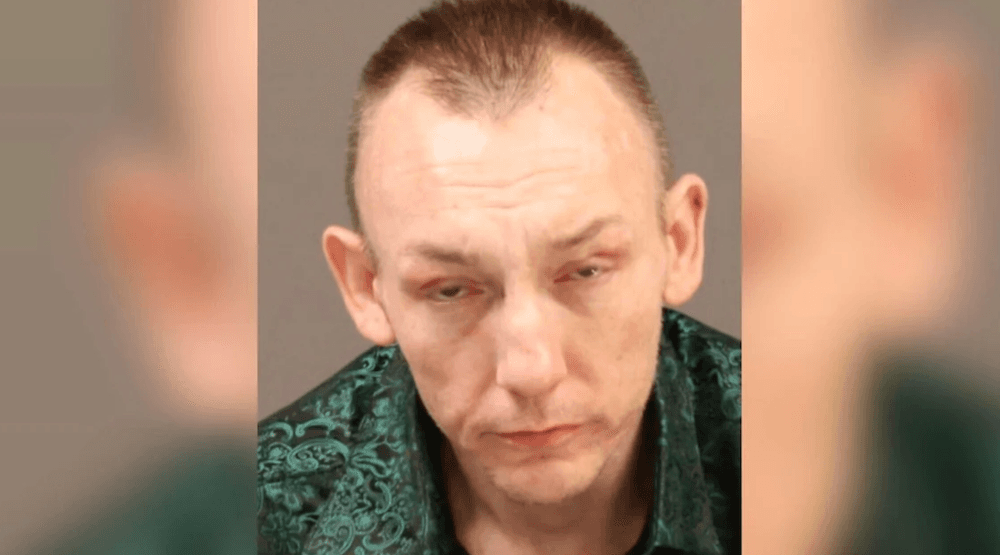
In the summer of 2026, a three-story rowhome on the 400 block of West Chew Avenue in Philadelphia's Olney neighborhood became the focus of one of the city's most closely watched investigations in years. The house belonged to Eugene Albert Horsch, 44, and had previously been home to his father, Raymond "R.C." Horsch, who died in 2025. What started as a chance encounter near Independence Mall grew into a monthslong search of the property. Police have since linked four missing women to the home and say digital evidence suggests two of them were killed there. As of mid-August 2026, no bodies had been recovered and the matter remained an open death investigation.
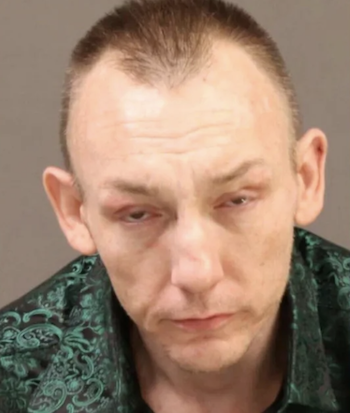
The case began on June 19, 2026, when a National Park Service ranger approached a black BMW parked improperly near Independence Mall and reported hearing a woman in the passenger seat say she feared she would be hurt. According to a criminal complaint, the driver was Eugene Horsch, and the woman with him carried a false ID bearing the name of a missing woman, later identified as Blair Tonzelli, who disappeared in 2023. Police say they recovered two loaded handguns, one with an obliterated serial number, along with crack cocaine and a fraudulent DEA badge. That stop led investigators to the Chew Avenue home.
Over roughly two months and more than 95 search warrants, investigators reported recovering an unusual volume of evidence. Inside the home they described chemicals in the basement, including a 55-gallon drum connected to water lines, more than 120 pieces of ballistic evidence, five urns holding cremated remains, and dozens of containers of an oily substance later sent to a federal lab. They also reported finding zip ties and an unsigned handwritten note referencing serial killer Ted Bundy. On roughly 50 devices, police say they found more than 600,000 images, 70,000 videos, and 10,000 pages of writings and drawings. Detectives said footage on one hard drive appeared to show two women who had been reported missing.
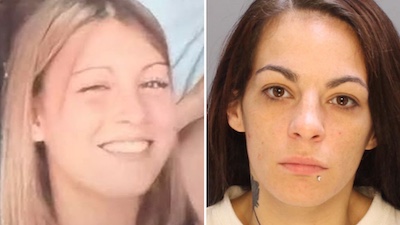
Police identified the two women believed dead as Maribel Fresses and Gabrielle Amarando. Fresses was reported missing in 2018, and Amarando disappeared in 2012. Investigators say video showed both women alive at the home and later appearing deceased, though their bodies have not been found and the medical examiner has not determined a cause of death. Police notified both families in August. Fresses's brother said he was stunned by the news, having last seen his sister years earlier. Two other women are tied to the case: Tonzelli, whose ID surfaced during the traffic stop, and Amy McHale, who disappeared in 2016 and had been married to Raymond Horsch.
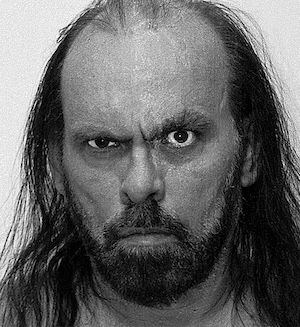
Eugene Horsch had a long criminal record, with prior convictions for aggravated assault and for drug distribution, and he was on probation at the time of his arrest. His father, Raymond "R.C." Horsch, described himself as an artist, adult film performer, and author, and he self-published violent novels. In a 2014 book, the elder Horsch wrote in the voice of a serial killer and described dissolving a victim's body with chemicals, a detail investigators have weighed alongside the chemicals found in the home. Eugene Horsch's attorney has said much of the material in the house belonged to his late father and predicted the items would prove harmless.
Eugene Horsch has not been charged in connection with any of the missing women. He faces federal charges of possessing firearms as a convicted felon and possessing fraudulent federal credentials. In August 2026, Philadelphia prosecutors withdrew their state charges so the U.S. Attorney's Office could take over the case, and a federal jury trial was scheduled for September. The broader death investigation remained active, with officials cautioning that reviewing the digital evidence would take considerable time.
The home sits on a residential block in Olney, a densely populated section of North Philadelphia. Through the summer of 2026 it remained an active crime scene, with police stationed outside and neighbors leaving flowers for Fresses and Amarando. Some residents drew comparisons to Gary Heidnik, who imprisoned and killed women in a North Philadelphia house in the 1980s. This is a developing case, and the facts may change as the investigation continues.
Because the property is a private residence and an active investigation site, visitors should stay on public sidewalks, avoid approaching the house or contacting neighbors, and remember that this block is connected to real loss. The families of the women linked here are still waiting for answers.
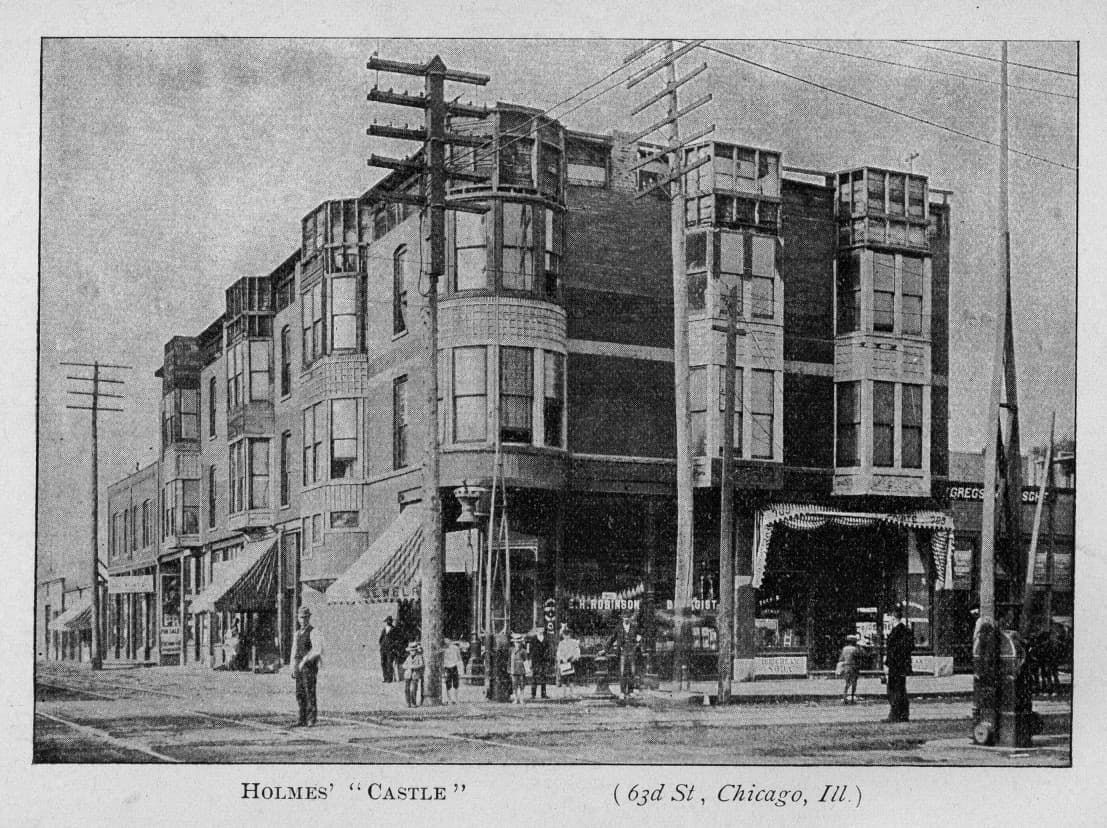
The "Castle" where serial killer HH Holmes lured and murdered his many victims.
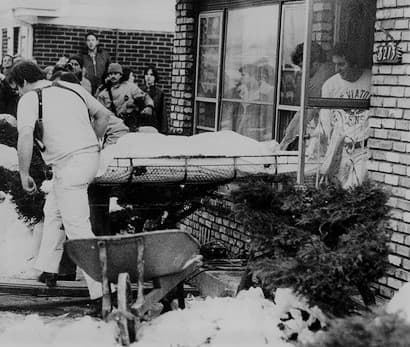
Serial killer John Wayne Gacy buried most of his victims under the floorboards of his suburban home.
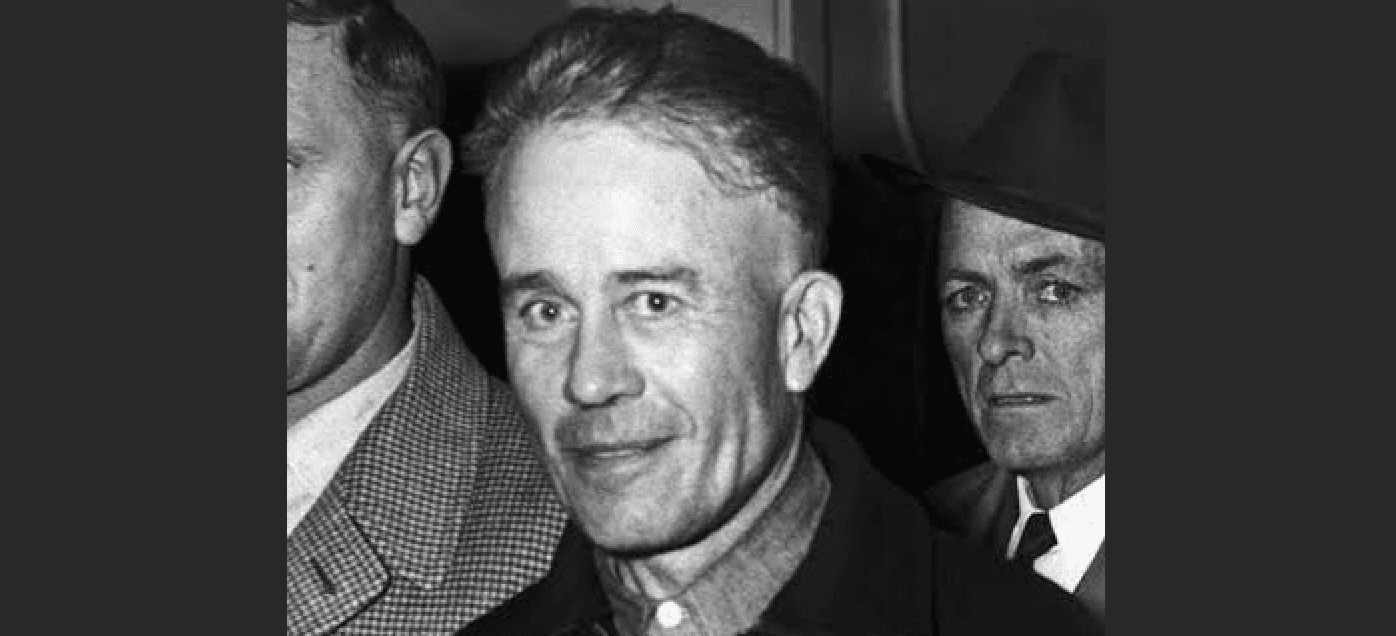
Serial killer Ed Gein's house was filled with items made from human body parts.
A Quick Note From Our Founder
Morbid Tourism is independently researched and maintained by one person. Every location is fact-checked, verified, and mapped so you can find exactly what you're looking for. If this page helped you, a coffee keeps the research going.