611 W. 63rd St, Chicago, IL 60621
ADVERTISEMENT
This page contains affiliate links. We may earn a small commission at no extra cost to you.
Author: Jewls Krueger
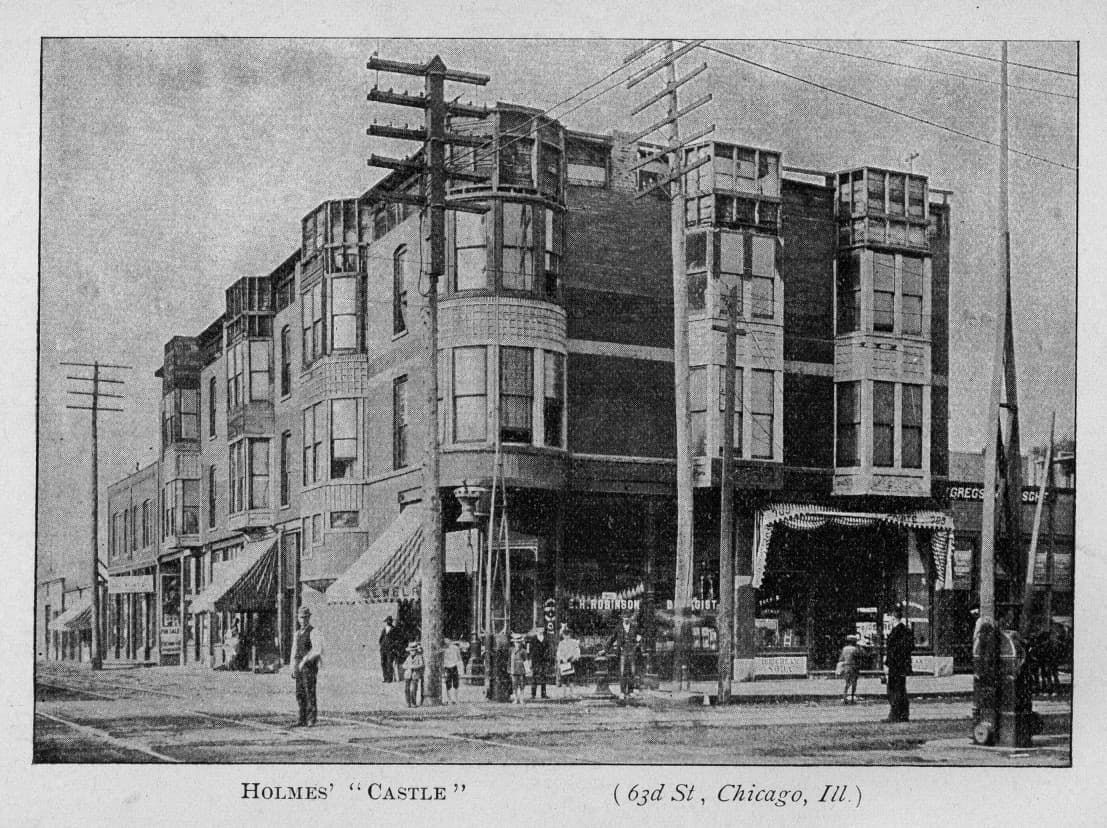
The three-story building that once stood on West 63rd Street in Chicago's Englewood neighborhood is one of the most famous crime sites in American history. It is also one of the most misunderstood. For more than a century, the so-called Murder Castle has been described as a purpose-built house of horrors where H.H. Holmes trapped and killed hundreds of World's Fair tourists.
Most of that story is not true. Beginning with the 2017 research of Chicago historian Adam Selzer, and with earlier work by author Harold Schechter, scholars have shown that much of the legend grew out of 1890s tabloid sensationalism. Holmes was a con man and a killer, but the number of people he murdered was far smaller than the folklore claims, and the building itself was mostly a fraud rather than a death trap.
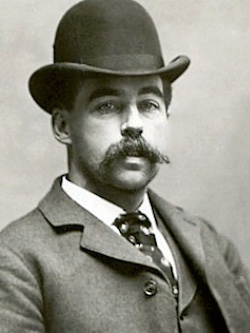
H.H. Holmes was born Herman Webster Mudgett on May 16, 1861, in Gilmanton, New Hampshire. He enrolled at the University of Vermont in 1879, then transferred to the University of Michigan's Department of Medicine and Surgery, where he graduated in 1884. During his studies he worked in the anatomy lab and later admitted to using stolen cadavers to defraud life insurance companies.
He moved to Chicago in August 1886 and adopted the name H.H. Holmes, reportedly a nod to the detective Sherlock Holmes. In Englewood, he took a job at a drugstore owned by Elizabeth Holton at the corner of Wallace Avenue and 63rd Street, and eventually bought the business. Contrary to a popular version of the story, he did not murder Dr. Holton, who was alive and living nearby.
ADVERTISEMENT
Holmes purchased an empty lot across the street and began construction in 1887 on a two-story mixed-use building, with retail spaces and a drugstore on the first floor and apartments above. When he refused to pay his architects and the steel company that supplied him, they took him to court in 1888. In 1892 he added a third floor, telling investors and suppliers he planned to run it as a hotel during the upcoming World's Columbian Exposition.
That hotel was never finished, furnished, or opened to the public. According to Selzer, the third floor was a vehicle to swindle suppliers, investors, and insurers rather than a functioning business.
The lurid features that made the building infamous came almost entirely from the yellow press. Newspapers claimed the structure held secret torture chambers, trapdoors, gas jets to asphyxiate guests, soundproofed rooms, and a basement crematorium fed by body chutes. Wikipedia, drawing on Selzer's research, states that none of these sensational claims were true. The building did contain a few hidden rooms, but they were used to conceal furniture Holmes had bought on credit and did not intend to pay for. Official findings suggest the odd layout was a product of fraud, not a design for murder.
Book Recommendation
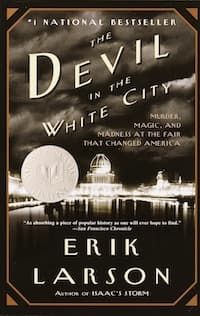
Want to learn more about HH Holmes? This book is one of the most acclaimed true crime books ever written, diving headfirst into the details of the case and painting a picture of 1890's Chicago.
Buy on Amazon →By purchasing through this link, we may earn a small commission at no extra cost to you. Thank you for supporting our work!
Holmes did kill, but his victims were not strangers lured off the fairgrounds. They were people he knew through business or romance, killed to cover debts, seize property, or hide other crimes.
His probable first victims were Julia Conner, whose husband worked at his drugstore, and her young daughter Pearl. The two disappeared around Christmas of 1891. Holmes gave shifting accounts, at times denying any involvement and at times claiming Julia died during an abortion he performed. Emeline Cigrand, a young woman who worked in his building in 1892, vanished that December. In 1893, sisters Minnie and Anna Williams, known as Nannie, also disappeared after Minnie signed over Texas property to one of Holmes's aliases.
Holmes eventually confessed to 27 murders, but several of the people he named were later found alive, and others appear to have been invented. Selzer concluded that only about nine killings can be established with any confidence. The figure of 200 victims, still repeated today, traces largely to a 1940 pulp history, Gem of the Prairie by Herbert Asbury, and to the yellow journalism that preceded it.
Holmes's downfall came through fraud, not through the castle. He recruited his associate Benjamin Pitezel into a scheme to fake Pitezel's death and collect a life insurance payout. Instead, Holmes killed Pitezel in Philadelphia in September 1894 and collected the money using the real body.
He then persuaded Pitezel's widow to let him take custody of three of her children, Alice, Nellie, and Howard, and moved them around the country while lying to their mother about where they were. Philadelphia detective Frank Geyer traced Holmes's route and found the bodies of the two girls in the cellar of a Toronto rental, and the remains of the boy at a house near Indianapolis. Holmes was arrested in Boston on November 17, 1894, after being tracked by the Pinkerton agency and held on a Texas horse-theft warrant.
In July 1895, Chicago police and reporters searched the Englewood building, by then known locally as the Castle. They turned up only circumstantial evidence, so authorities tried Holmes in Philadelphia for the murder of Pitezel, which had the strongest case. He was tried in the fall of 1895, convicted, and sentenced to death.
Holmes was hanged at Moyamensing Prison on May 7, 1896. Fearing his body would be stolen for dissection, he had asked to be buried in a cement-filled coffin ten feet underground, and he was interred at Holy Cross Cemetery in Yeadon, Pennsylvania. Rumors that he had escaped the gallows persisted for decades. In 2017, at his descendants' request, his body was exhumed and identified through his teeth, confirming that the man in the grave was Holmes.
ADVERTISEMENT
The building did not vanish the way the legend suggests. It was damaged by a fire in August 1895, while Holmes sat in jail awaiting trial, but it survived, was largely rebuilt, and remained in use for decades. The city bought it as a teardown in 1938.
The site is now occupied by the Englewood branch of the United States Postal Service, near the corner of West 63rd Street and Wallace Avenue on Chicago's South Side. There is nothing macabre to see, only a working post office serving the neighborhood. Visitors who come to stand on the spot should treat it as what it is: an active public building in a residential community. Be respectful of postal staff, customers, and local residents, and do not disrupt daily business in search of a ghost story that the historical record does not support.
Holmes' original Murder Castle no longer stands, but Chicago's dark architectural history runs deep. This highly-rated architecture and true crime tour explores the city's most notorious buildings and the sinister stories behind them, the perfect way to walk in Holmes' footsteps.
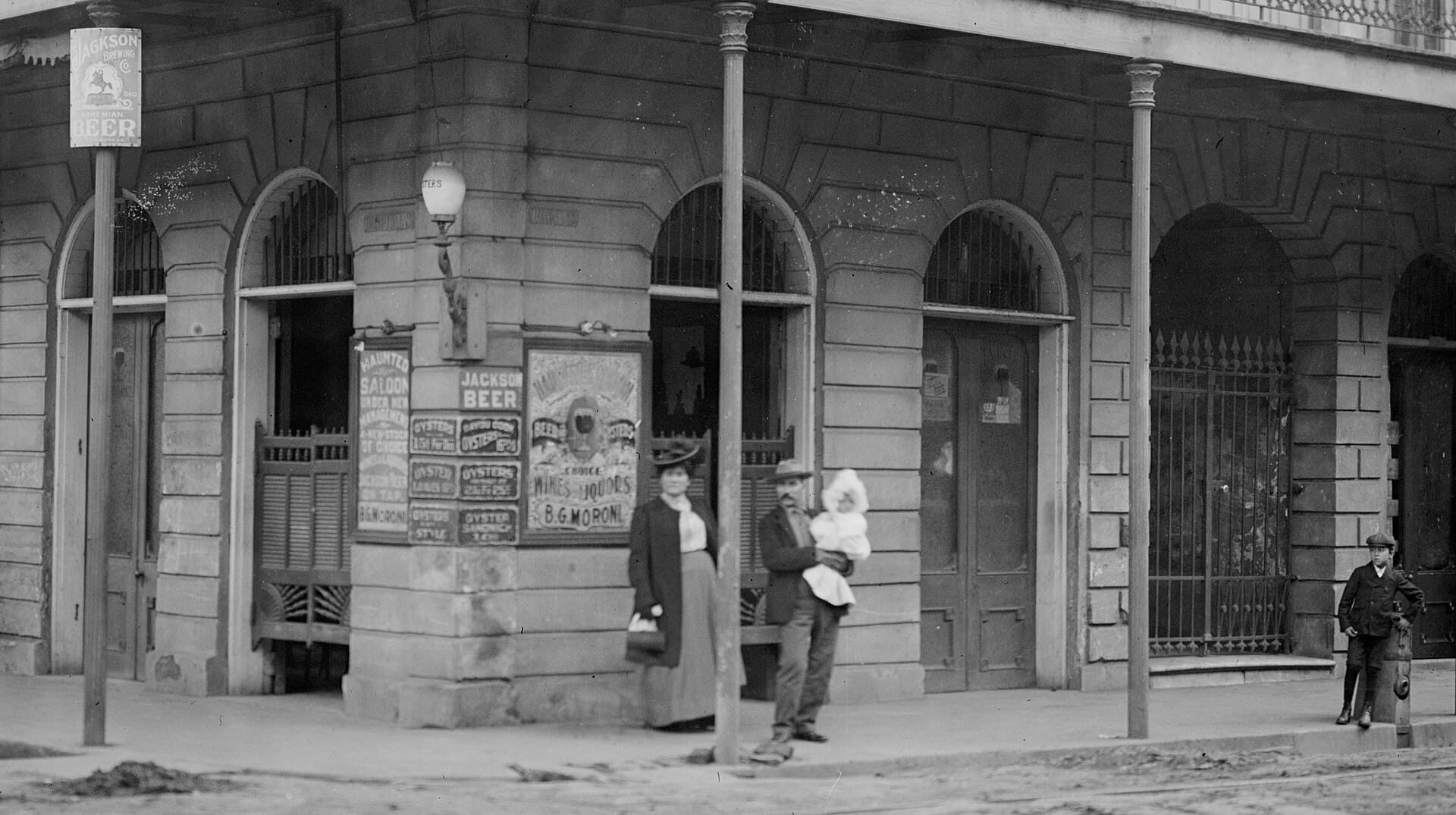
The historic New Orleans Mansion with a dark past that inspired a season of American Horror Story
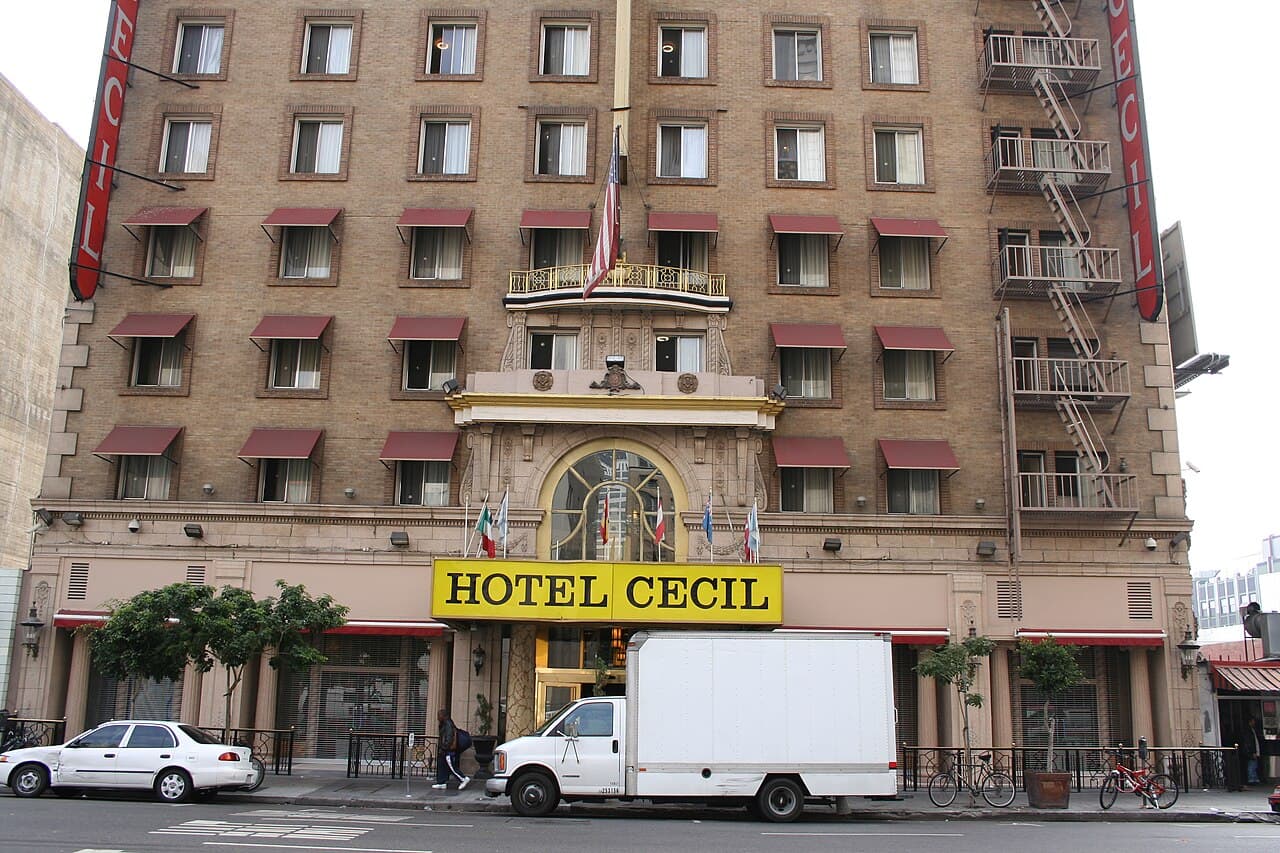
The infamous & seedy Los Angeles hotel where Night Stalker Richard Ramirez once lived.
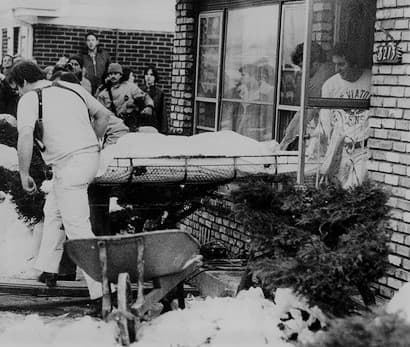
Serial killer John Wayne Gacy buried most of his victims under the floorboards of his suburban home.
A Quick Note From Our Founder
Morbid Tourism is independently researched and maintained by one person. Every location is fact-checked, verified, and mapped so you can find exactly what you're looking for. If this page helped you, a coffee keeps the research going.