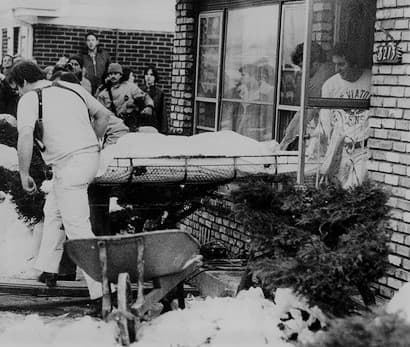
8213 West Summerdale Ave, Chicago, IL 60656
ADVERTISEMENT
This page contains affiliate links. We may earn a small commission at no extra cost to you.
Author: Jewls Krueger
John Wayne Gacy was a respected businessman and amateur clown performer who raped, tortured, and murdered at least 33 young men and boys in his Norwood Park Township home between 1972 and 1978. Twenty six of his victims were found buried in the crawl space beneath the house, three more were buried elsewhere on the property, and four were dumped in the Des Plaines River. He was executed by lethal injection in 1994.
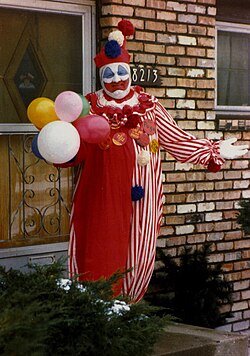
John Wayne Gacy stands as one of the most notorious serial killers in American history, his seemingly normal exterior masking the monstrous acts he committed. Born in Chicago on March 17, 1942, Gacy cultivated an image as a respected member of his community. He was a businessman, a volunteer, and even a part-time clown known as "Pogo the Clown," entertaining children at parties, parades, and local hospitals. This facade of normalcy allowed him to prey on young men and boys, luring them into his web of deception and violence.
Gacy's path to Chicago and his murders followed a series of moves. In 1964 he married Marlynn Myers, whose father owned a chain of three Kentucky Fried Chicken restaurants in Waterloo, Iowa. Gacy relocated to manage them and quickly rose in the local Jaycee chapter. In 1968 he was convicted in Iowa of sodomy of a teenage boy and sentenced to 10 years in prison. He served 18 months at the Anamosa State Penitentiary, was paroled in 1970, and returned to Chicago to live with his mother. The same year, his wife Marlynn divorced him and received full custody of their children.
In 1971, Gacy and his mother used her savings to purchase the home at 8213 West Summerdale Avenue in unincorporated Norwood Park Township, just outside the Chicago city limits. Shortly after, Gacy started his own construction business, PDM Contractors. The company grew quickly, and by the late 1970s was generating over $200,000 in annual revenue. Most of its laborers were teenage boys.
ADVERTISEMENT
Between 1972 and his arrest in December 1978, Gacy systematically abducted, tortured, and murdered at least 33 young men and boys. His first known victim, 16 year old Timothy McCoy, was killed at the Summerdale Avenue home in January 1972 after Gacy picked him up from Chicago's Greyhound bus station. Many of his other victims were aspiring young adults, often runaways, hitchhikers, sex workers, or PDM employees seeking work. Gacy would often offer them a ride, a job, or alcohol, exploiting their vulnerability and trust. Once under his control, he typically duped them into donning handcuffs on the pretext of demonstrating a magic trick, then sexually assaulted, tortured, and killed them by strangulation with a garrote he called "the rope trick."
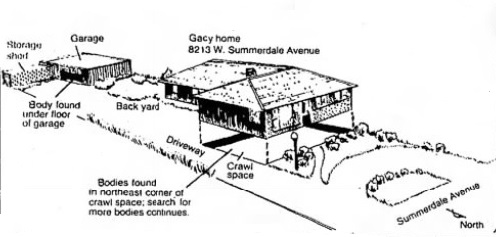
What made Gacy's crimes particularly chilling was his meticulous effort to conceal them. He initially buried his victims beneath his house in the Chicago suburb of Norwood Park Township. As the crawl space beneath his home filled, he began disposing of bodies in the nearby Des Plaines River. The discovery of multiple bodies on his property in December 1978 exposed the horrifying scale of his crimes and sent a wave of fear and disbelief across the nation.
The investigation that ended Gacy's killing spree began with the disappearance of 15 year old Robert Piest, who vanished after leaving his job at a Des Plaines pharmacy on December 11, 1978 to speak to a contractor about a possible job. Witnesses identified Gacy as the contractor. Lieutenant Joseph Kozenczak of the Des Plaines Police Department checked Gacy's criminal background, discovered his Iowa sodomy conviction, and placed him under round the clock surveillance.
Book Recommendation

Written by the prosecutor who caught him, Terry Sullivan's "Killer Clown" is the definitive account of the Gacy investigation, now updated with DNA findings that continue to identify new victims decades later.
Buy on Amazon →By purchasing through this link, we may earn a small commission at no extra cost to you. Thank you for supporting our work!
On December 21, 1978, after executing a second search warrant at the Summerdale Avenue home that uncovered the receipt for the roll of film Robert Piest had picked up the day he disappeared, investigators were also able to confirm a foul smell coming from the crawl space. Gacy confessed to the killings the next day. Excavation of the crawl space and property began immediately, and continued for months. Twenty six victims were eventually recovered from the crawl space, three more from elsewhere on the property, and four others, including Piest, from the Des Plaines and Illinois Rivers.
Gacy's trial began February 6, 1980, in Chicago. He pleaded not guilty by reason of insanity. After less than two hours of deliberation, the jury rejected the insanity defense and convicted him of all 33 murders on March 12, 1980. He was sentenced to death the following day. After more than 14 years of appeals, Gacy was executed by lethal injection at Stateville Correctional Center in Crest Hill, Illinois on May 10, 1994.
ADVERTISEMENT
Eight of Gacy's 33 victims were never identified at the time of the original investigation. In October 2011, Cook County Sheriff Tom Dart reopened the case, exhumed the remains of the unidentified victims, and called on anyone who had a young male relative go missing in the Chicago area in the 1970s to submit a DNA sample.
Three of the previously unidentified victims have been identified since. William Bundy, a 19 year old construction worker from Chicago, was identified in November 2011. James Byron Haakenson, a 16 year old runaway from Minnesota, was identified in July 2017. Francis Wayne Alexander, a North Carolina native who had moved to Chicago, was identified in October 2021. Five of Gacy's victims still remain unidentified. The Cook County Sheriff's Office continues to work with the DNA Doe Project and other forensic labs in the ongoing effort to give names back to the remaining John Does.
The home where John Wayne Gacy killed all of his victims was demolished on April 10, 1979 while authorities were still searching for the bodies of his victims. In the mid 1980s, a new home was built on the lot, which was given the address of 8215 West Summerdale Avenue (instead of 8213) to make it less recognizable to morbid tourists. The new home remains a private residence and was last sold in April 2021 for $395,000 according to Zillow.
This location is in a private residential neighborhood. Please be respectful of the current occupants and surrounding neighbors, stay on public roads and walkways at all times, and do not enter onto private property under any circumstances.
The house where Gacy buried 26 of his victims has been demolished, but Chicago's true crime history doesn't end there. This serial killer bus tour covers the city's most infamous crime sites and notorious killers, including the legacy of one of America's most terrifying predators.
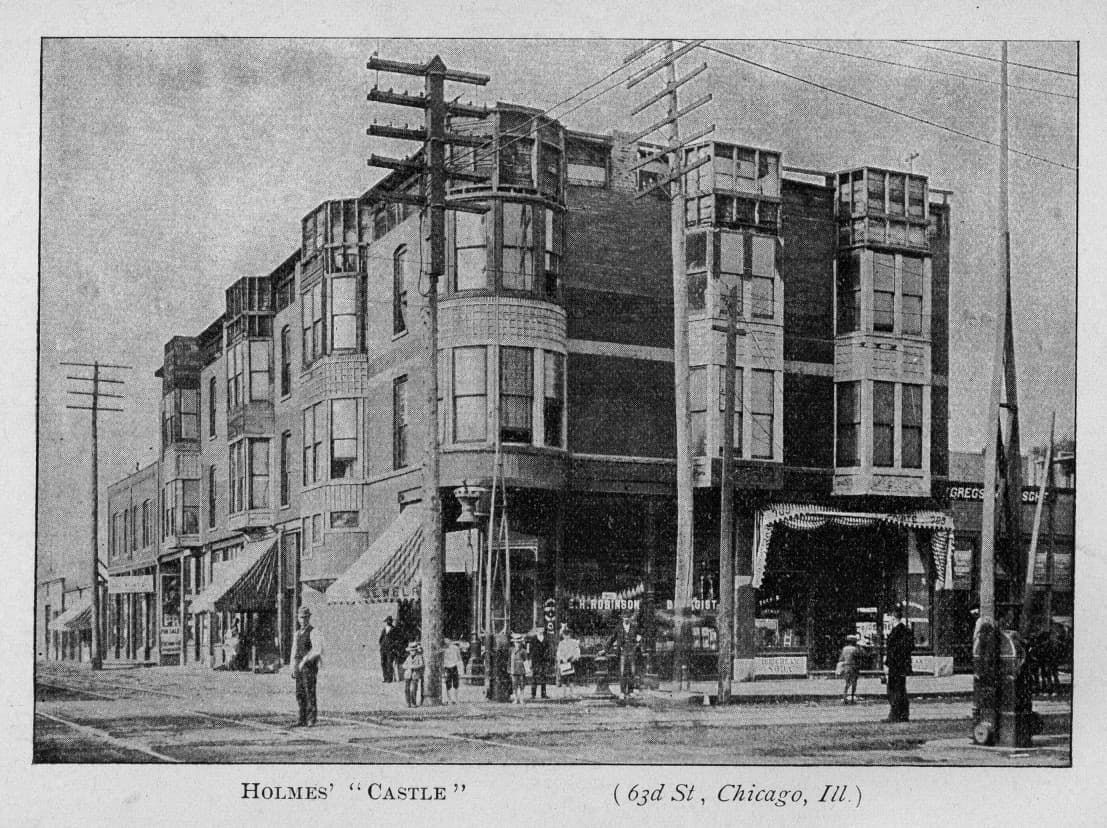
The "Castle" where serial killer HH Holmes lured and murdered his many victims.
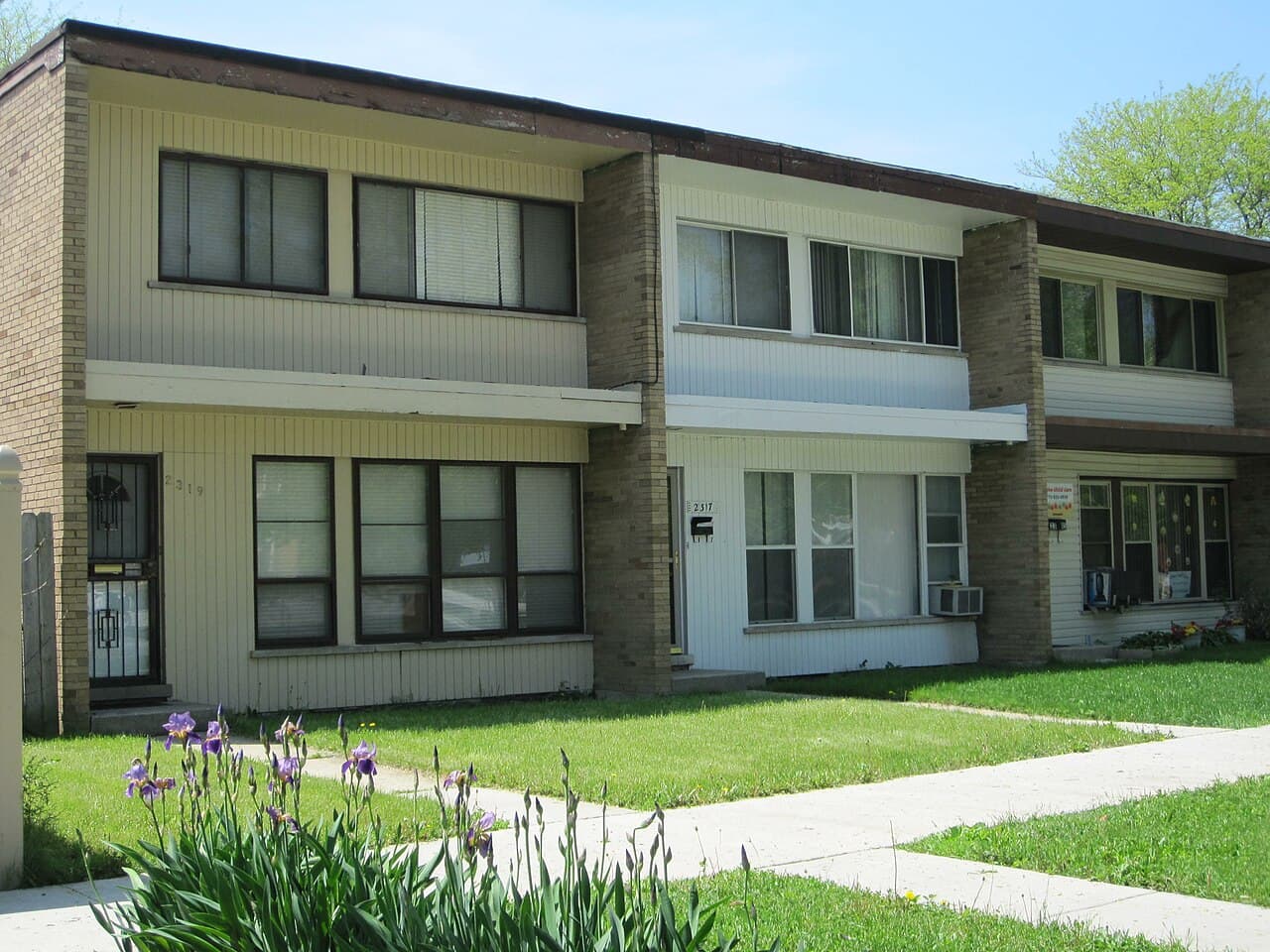
Richard Speck tortured and murdered 8 women in this house in 1966.
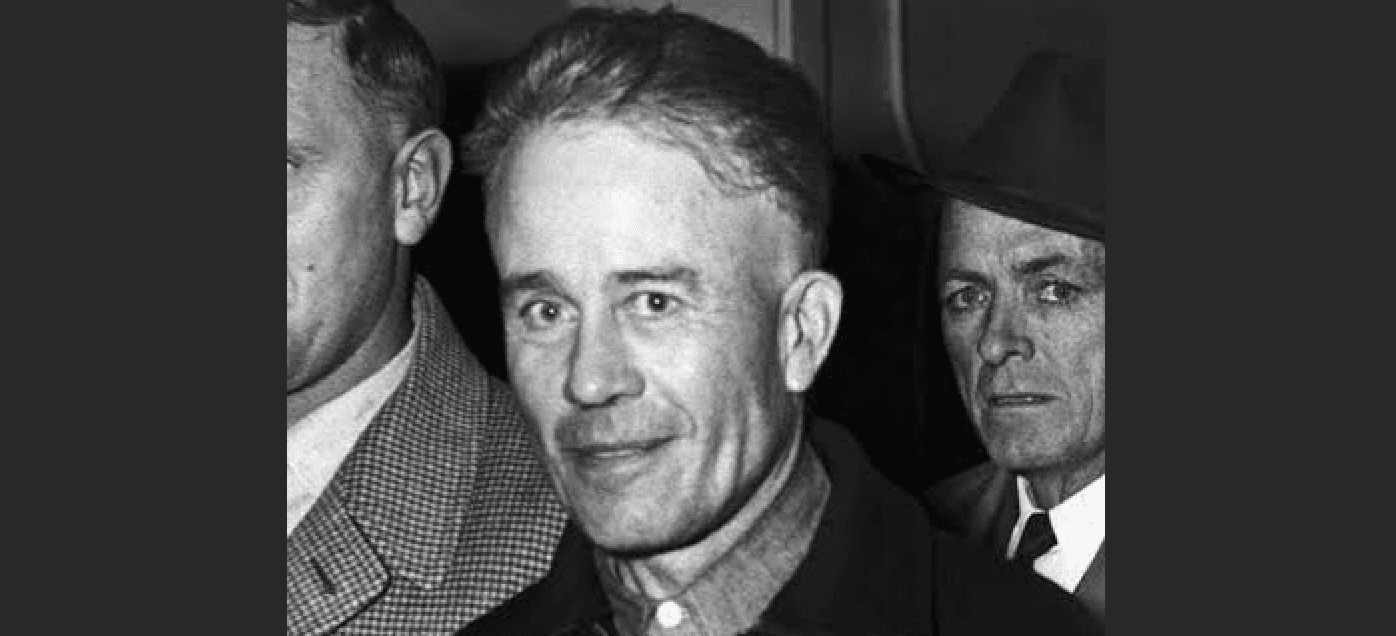
Serial killer Ed Gein's house was filled with items made from human body parts.
A Quick Note From Our Founder
Morbid Tourism is independently researched and maintained by one person. Every location is fact-checked, verified, and mapped so you can find exactly what you're looking for. If this page helped you, a coffee keeps the research going.