8739 US-290, Austin, TX 78736
This page contains affiliate links. We may earn a small commission at no extra cost to you.
Author: Jewls Krueger
In the fall of 1974, two Latter-day Saint missionaries went to dinner at a trailer parked behind a taxidermy shop on the southwestern outskirts of Austin, Texas. They were never seen again. Their bodies were never found. Most of the evidence that sent Robert Kleasen to death row came from that shop, and in particular from a band saw inside it. The building still stands today on Highway 290 in the Oak Hill area, where it now houses a working taxidermy business.
The victims were Gary Darley, 20, of Simi Valley, California, and Mark Fischer, 19, of Milwaukee, Wisconsin. Both were serving missions for the Church of Jesus Christ of Latter-day Saints in the Austin area. Kleasen was a member of their ward, and the two elders had been visiting him as part of their outreach. His behavior had unsettled other members, and their bishop had warned the missionaries to stop going to see him. Darley and Fischer decided to make one final visit.
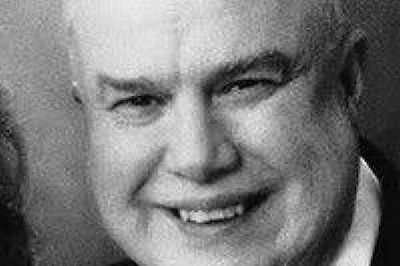
Robert Elmer Kleasen was born on September 20, 1934, in Buffalo, New York. He had a long and troubled history that included a psychiatric hospitalization as a teenager after a shooting incident at a hospital, and, in 1971, the shooting of a man in the foot during a dispute in New York. He jumped bail and moved to Texas. In Austin, he told acquaintances he was a Korean War veteran and a former CIA operative, claims that were later shown to be false. He was baptized into the local LDS congregation. In December 1973 he was arrested for stealing bison and grew resentful when the church did not send a lawyer to help him. He lived in a trailer behind a taxidermy shop owned by Lem Rathbone, where he also worked and had regular access to the equipment.
On October 28, 1974, despite the bishop's warning, Darley and Fischer went to see Kleasen. Prosecutors would later argue that the two were shot after agreeing to meet him for dinner. Both men disappeared that day.
The investigation quickly centered on Kleasen and his trailer. Investigators found Darley's prayer book and name tag, both pierced by bullet holes, on the property around the trailer. Inside, they recovered personal effects belonging to the missionaries, a watch, and a key ring that opened the elders' apartment and car. The missionaries' car was later found abandoned and stripped, with its wheels and plates stored in a structure next to the trailer. On the band saw inside the taxidermy shop, analysts identified human blood and tissue, along with hair matching Darley. Clothing stained with human blood was also recovered. The bodies were never located, and prosecutors alleged that Kleasen had dismembered the victims and disposed of the remains.
In 1975, a Travis County jury convicted Kleasen of the capital murder of Mark Fischer, and he was sentenced to death. In November 1977, the Texas Court of Criminal Appeals reversed the conviction. The court ruled that the federal search warrant used to search his trailer was defective, that it failed to establish probable cause, and that the evidence seized under it should have been excluded. Without that evidence, prosecutors concluded a retrial was not viable, and Kleasen was released.
Book Recommendation

Evil Among Us: The Texas Mormon Missionary Murders by Ken Driggs is the definitive account of this case. Written by a death penalty attorney with access to the legal record, it separates the documented facts of the Oak Hill taxidermy shop killings from the Texas Chain Saw Massacre myth that surrounds them.
Buy on Amazon →By purchasing through this link, we may earn a small commission at no extra cost to you. Thank you for supporting our work!
Kleasen later returned to New York, where he served time on an assault conviction, and in 1990 he moved to England. There he amassed a large collection of firearms and was imprisoned in 2000 on gun charges. Using new DNA analysis, Texas authorities indicted him again in 2001 and began extradition proceedings, subject to assurances that he would not face the death penalty. He died at Belmarsh Prison in London on April 21, 2003, before he could be returned to Texas.
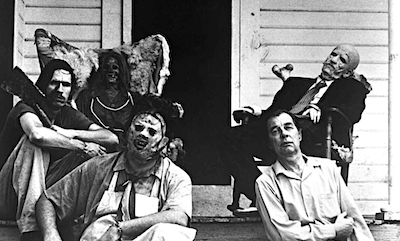
Kleasen's case is often filed alongside The Texas Chain Saw Massacre, and the shorthand has followed him for decades. The overlap is easy to see. A killer working in a taxidermy shop, a band saw, and a prosecution built on dismemberment all echo the imagery of Tobe Hooper's film, which had opened in Austin only weeks before the missionaries disappeared.
The timeline, though, rules out the idea that the film drew on the case. Hooper shot The Texas Chain Saw Massacre in the summer of 1973, more than a year before the murders. It premiered in Austin on October 1, 1974, and went into wide release on October 11, both ahead of the October 28, 1974 disappearances. A film that was already finished and in theaters could not have been based on killings that had not yet happened. The movie's real inspiration was the Wisconsin grave robber Ed Gein, along with other threads that Hooper described over the years.
What the coincidence did was cement a nickname. Because the film was fresh in local memory when the case broke, the press and the public reached for the comparison, and it stuck. The story was later retold in a British documentary titled The Real Texas Chainsaw Massacre. The label endures, but it describes a parallel in timing and setting, not a line of influence running from the shop to the screen.
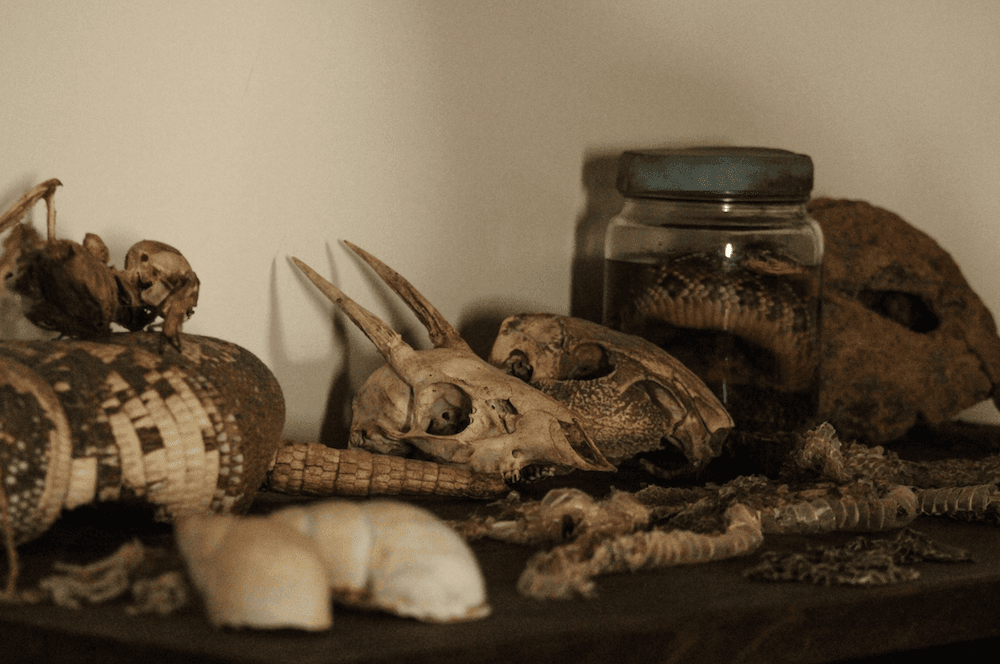
The taxidermy shop still stands on Highway 290 West in the Oak Hill area of southwest Austin, the first taxidermist a traveler passes coming into the city from the Hill Country. Today it operates as Big Rack Taxidermy, a working business run by a master taxidermist. It is an active place of livelihood rather than a memorial, so visitors who come to see it should be respectful. View the building from the public roadway, do not disrupt the business or its staff, and remember that the people working there are not connected to the events of 1974.
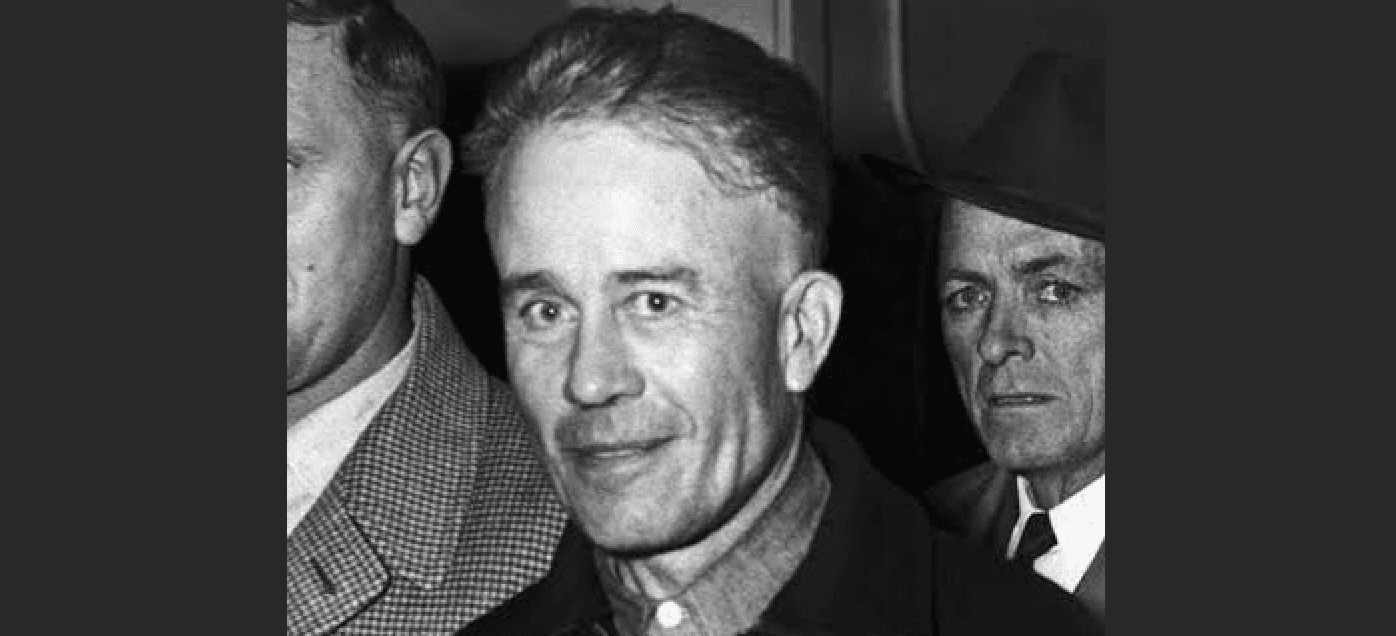
Serial killer Ed Gein's house was filled with items made from human body parts.
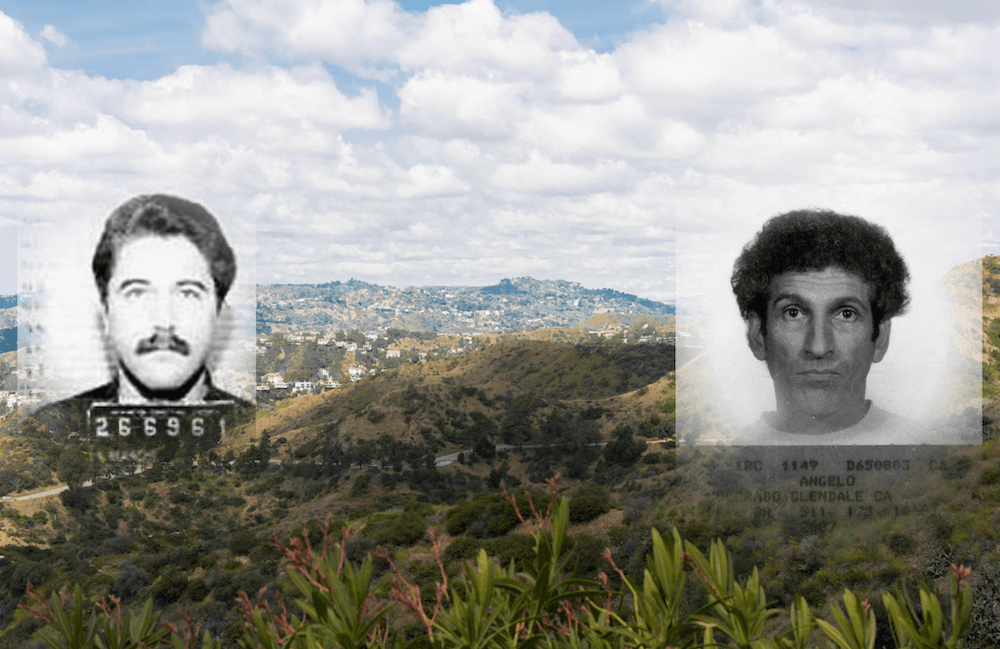
Cousins Kenneth Bianchi and Angelo Buono raped and murdered ten young women at Buono's Glendale upholstery shop in 1977 and 1978.

Serial killer Herb Baumeister killed 11 men and hid their bodies on his large property.
A Quick Note From Our Founder
Morbid Tourism is independently researched and maintained by one person. Every location is fact-checked, verified, and mapped so you can find exactly what you're looking for. If this page helped you, a coffee keeps the research going.