100 N. Carolwood Drive, Los Angeles, CA 90077
ADVERTISEMENT
This page contains affiliate links. We may earn a small commission at no extra cost to you.
Author: Jewls Krueger
On the afternoon of June 25, 2009, music icon Michael Jackson died inside a rented mansion in the Holmby Hills neighborhood of Los Angeles after being administered a fatal dose of the surgical anesthetic propofol by his personal physician, Dr. Conrad Murray. He was 50 years old.
His sudden death stunned the world, ended preparations for what was meant to be the biggest comeback tour in pop music history, and led to one of the most closely watched trials of the era.
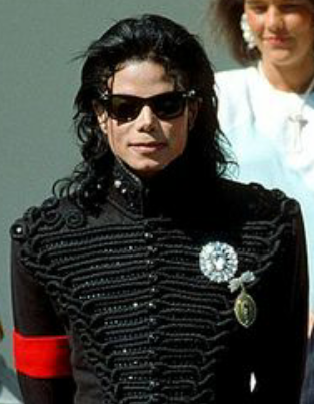
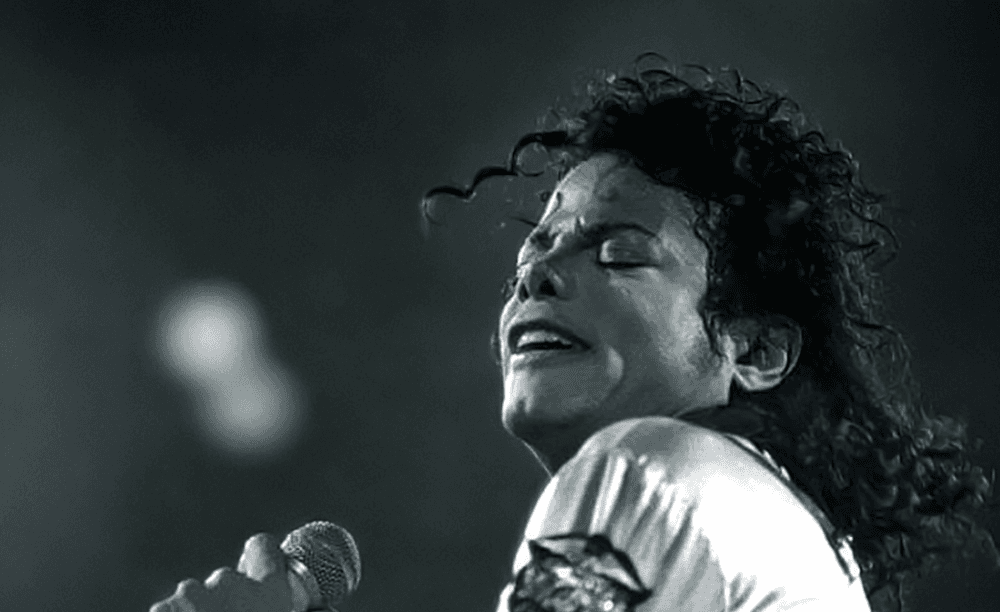
Michael Jackson - Public Domain
Michael Joseph Jackson was born on August 29, 1958 in Gary, Indiana. He rose to fame as a child star with his brothers in the Jackson 5 and went on to become one of the best selling solo artists of all time, with albums including "Off the Wall," "Thriller," "Bad," and "Dangerous." By 2009, after years of personal struggles, financial difficulties, and public scrutiny, Jackson was attempting a major comeback.
Further Reading
He had signed on for a 50 date concert residency called "This Is It," set to begin at London's O2 Arena in July 2009. In preparation for the demanding shows, he had moved into a rented seven bedroom French chateau style mansion at 100 North Carolwood Drive in the Holmby Hills neighborhood of Los Angeles. The home was being rented for him by concert promoter AEG Live for roughly $100,000 per month.
To help him with the demanding rehearsal schedule, AEG hired Dr. Conrad Murray, a Houston based cardiologist, as Jackson's personal physician for a salary of $150,000 per month. Murray began treating Jackson at the Carolwood home in May 2009.
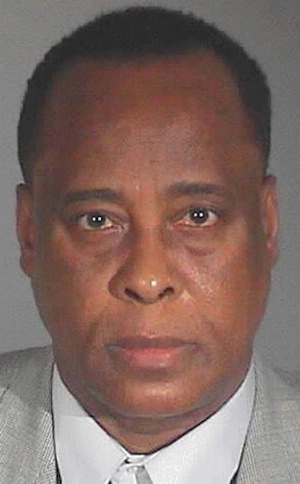
Dr. Conrad Murray's Mugshot - Public Domain
On the evening of June 24, 2009, Jackson rehearsed at the Staples Center in Los Angeles until around midnight. He returned to the Carolwood mansion around 12:30 a.m. and went to his upstairs bedroom shortly after.
Jackson had long suffered from severe insomnia and had grown increasingly dependent on prescription drugs to sleep. According to Dr. Murray's later statements to police, in the hours after Jackson returned home he was unable to sleep despite being given a series of sedatives including diazepam, lorazepam, and midazolam over the course of the night. Around 10:40 a.m. on June 25, after roughly ten hours of failed attempts, Murray administered 25 milligrams of propofol through an IV line. Propofol is a powerful hospital grade anesthetic typically reserved for surgical procedures, requiring close monitoring of a patient's breathing and heart rate.
Murray told investigators he then briefly left the bedroom. When he returned, he found Jackson unresponsive. Rather than immediately calling 911, Murray attempted CPR on the bed and called Jackson's personal assistant. A member of the household staff finally called 911 at 12:21 p.m., roughly 82 minutes after Murray said he had discovered Jackson was not breathing. Paramedics worked on Jackson at the home before transporting him to Ronald Reagan UCLA Medical Center, where he was pronounced dead at 2:26 p.m.
Interested in seeing the Michael Jackson's Death Mansion in person? Take the tour →
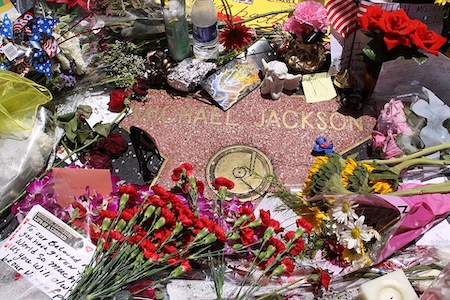
Memorial on Jackson's Walk of Fame star in Hollywood - Creative Commons: Taty2007
On August 28, 2009, the Los Angeles County coroner officially ruled Jackson's death a homicide caused by "acute propofol intoxication," with the benzodiazepines lorazepam and midazolam listed as contributing factors. The investigation focused on Murray, who had not been licensed to administer propofol outside of a hospital setting and lacked the proper monitoring equipment to do so safely.
On February 8, 2010, Murray was charged with involuntary manslaughter. His six week trial began September 27, 2011 in Los Angeles. Prosecutors argued Murray had been grossly negligent in giving propofol as a sleep aid in a private home. Murray's defense team argued that Jackson had administered the fatal dose to himself while Murray was out of the room.
On November 7, 2011, the jury found Murray guilty of involuntary manslaughter. He was sentenced to the maximum of four years in prison, but was released after serving just under two years due to good behavior and California prison overcrowding rules. His California medical license was revoked, and the Texas Medical Board later took action against his license there as well.
The Carolwood mansion still stands today on a private, gated lot in the exclusive Holmby Hills neighborhood, just west of Beverly Hills and south of Sunset Boulevard. The home was built in 2002 and features 17,000 square feet of living space across multiple stories, with seven bedrooms and 13 bathrooms. The owners at the time of Jackson's death later sold the property, and it has since changed hands.
The home is a private residence and is set back behind a gated entrance and is not visible from the street. Please be respectful of the current owners and the surrounding neighborhood, stay on public roads and walkways at all times, and do not trespass.
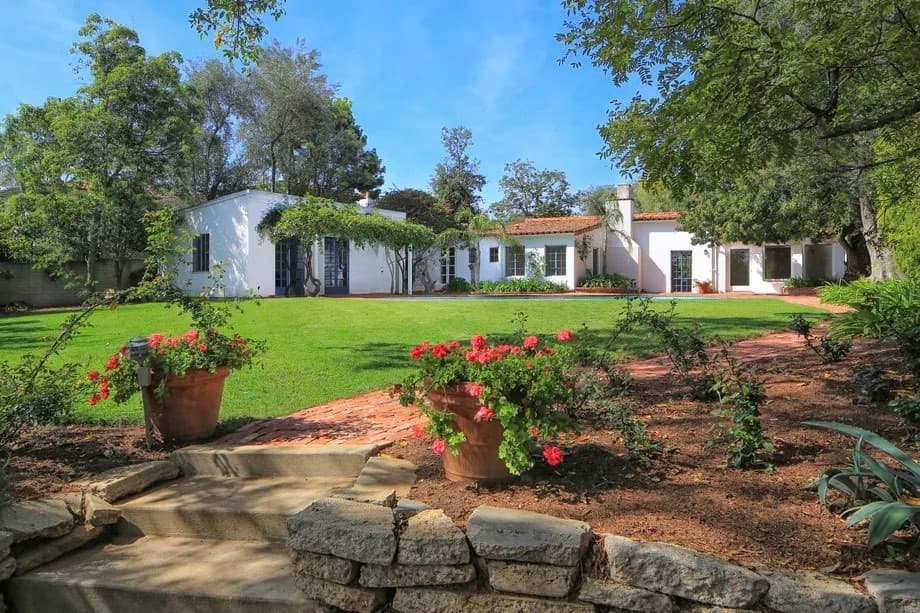
The only house Marilyn Monroe ever owned, and the site of her deadly overdose at age 36.
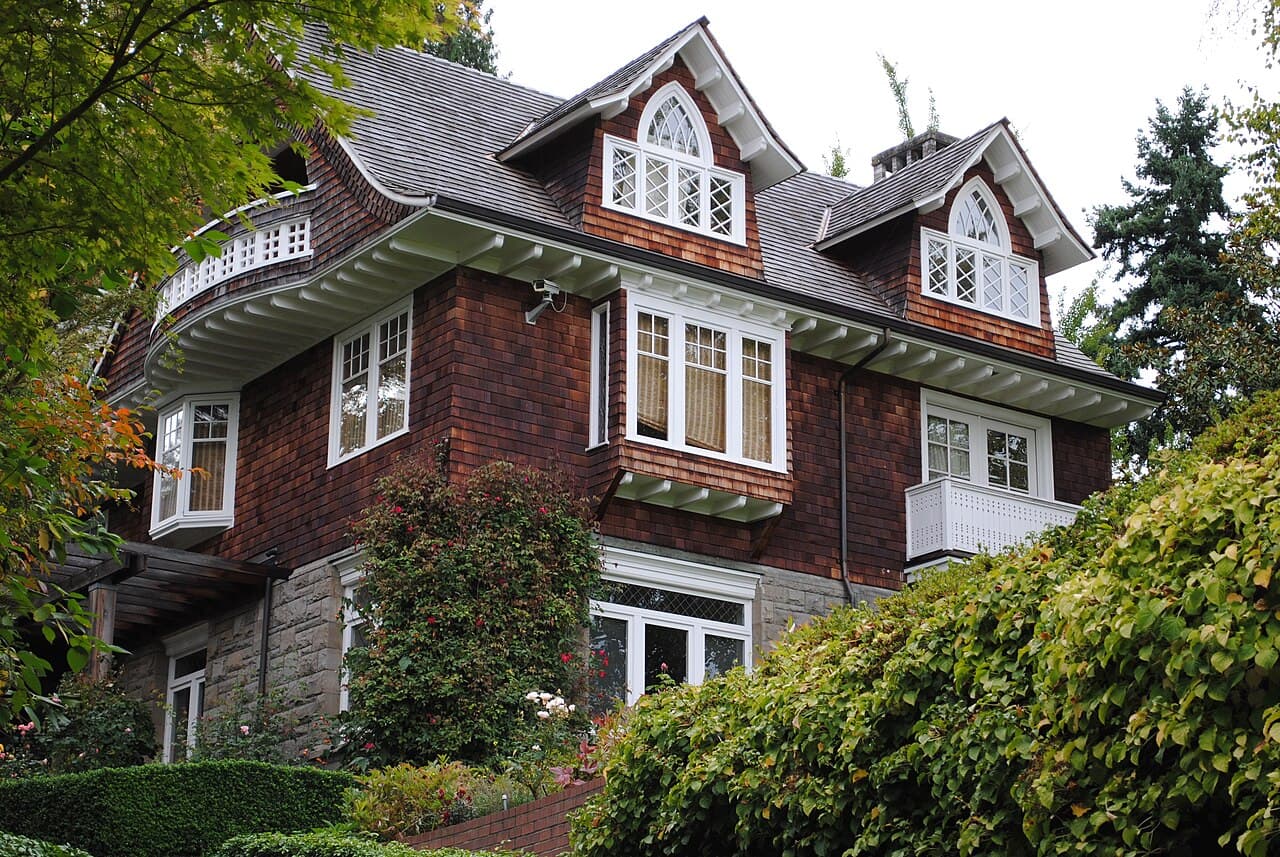
Musician Kurt Cobain took his own life in the greenhouse of this Seattle home

Actress Brittany Murphy died in her Hollywood Hills home in 2009, followed by her husband five months later in the same house.
A Quick Note From Our Founder
Morbid Tourism is independently researched and maintained by one person. Every location is fact-checked, verified, and mapped so you can find exactly what you're looking for. If this page helped you, a coffee keeps the research going.


.png)

