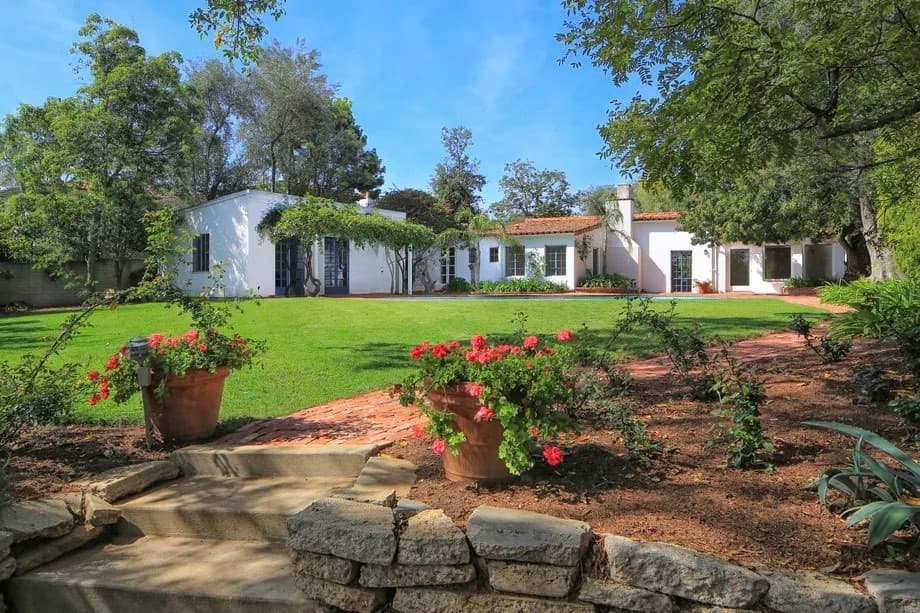
12305 Fifth Helena Drive, Los Angeles, CA 90049
This page contains affiliate links. We may earn a small commission at no extra cost to you.
Author: Jewls Krueger
On the night of August 4, 1962, Hollywood icon Marilyn Monroe died of a barbiturate overdose inside her Spanish hacienda style home in the Brentwood neighborhood of Los Angeles, California. She was 36 years old. Her death was officially ruled a probable suicide, but the circumstances surrounding it have fueled decades of conspiracy theories and speculation.
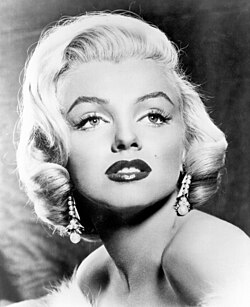
Press photo of Marily Monroe for Gentlemen Prefer Blondes -Public Domain
Born Norma Jeane Mortenson on June 1, 1926 in Los Angeles, Marilyn Monroe spent much of her childhood in foster care and orphanages before being discovered as a model in the 1940s. She would go on to become one of the most famous movie stars of the 20th century, with starring roles in films including "Gentlemen Prefer Blondes," "Some Like It Hot," and "The Seven Year Itch."
In February 1962, Monroe purchased a one story, four bedroom Spanish colonial home on a quiet cul de sac in Brentwood for $77,500. It was the only home she ever owned. The property was built in 1929 and featured a free form pool and a citrus grove. The tiled phrase "Cursum Perficio" at the front entrance translates from Latin to "I have completed my journey." In the months leading up to her death, Monroe had recently been fired from the unfinished film "Something's Got to Give," was battling a long term dependency on prescription barbiturates, and was under near constant care of her psychiatrist Dr. Ralph Greenson.
Interested in seeing the Marilyn Monroe's Death House in person? Take the tour →
On August 4, 1962, Monroe spent the day at her home with various visitors, including her housekeeper Eunice Murray, her publicist Patricia Newcomb, and photographer Lawrence Schiller. Dr. Greenson arrived in the late afternoon for a therapy session. Before leaving around 7 p.m., he asked Murray to stay overnight to keep Monroe company. Around 7 p.m. she received a phone call from Joe DiMaggio Jr., son of her former husband.
Further Reading
Later that evening, actor Peter Lawford, the brother in law of President John F. Kennedy, called Monroe to invite her to a party at his house. According to Lawford, Monroe sounded heavily sedated and said goodbye in a way that alarmed him. Unable to reach her again, he eventually called Monroe's lawyer Milton Rudin, who called the house and was assured by Murray that Monroe was fine.
At approximately 3 a.m. on August 5, Murray noticed light coming from under Monroe's locked bedroom door and was unable to get a response. She called Dr. Greenson, who arrived shortly after and broke a window to enter the room, where he found Monroe dead in her bed. Her personal physician Dr. Hyman Engelberg arrived at 3:50 a.m. and pronounced her dead. The Los Angeles Police Department was not notified until 4:25 a.m., a 35 minute delay that has fueled suspicion ever since.
Deputy coroner Thomas Noguchi conducted the autopsy later that day. He determined the cause of death to be acute barbiturate poisoning, with high levels of Nembutal and chloral hydrate in her system. The Los Angeles County coroner's office officially ruled the death a probable suicide. Conspiracy theories about her death emerged almost immediately and have continued for decades, ranging from accidental overdose covered up by her doctors to claims of involvement by Robert F. Kennedy, who was reportedly in Los Angeles the day she died. None of these alternative theories have ever been proven.
Copyright Morbid Tourism
The home remains a private residence and stands today in much the same form as it did in 1962. In 2023 the property was purchased by a buyer who immediately filed for a demolition permit, prompting public outcry. The Los Angeles City Council intervened and in 2024 formally designated the home a Historic Cultural Monument, protecting it from demolition.
The home sits at the end of a short, private cul de sac in the residential Brentwood neighborhood of Los Angeles. The current owners are private and no tours are offered. Please be respectful of the current owners and the surrounding neighborhood, stay on the public road at all times, and do not trespass.
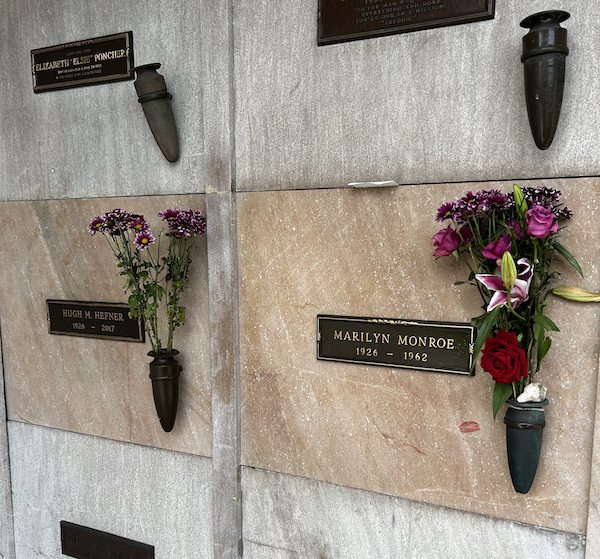
Marilyn Monroe is buried in a crypt at Pierce Brothers Westwood Village Memorial Park in Los Angeles. Her crypt cover is commonly covered in lipstick kisses from fans. Upon his death, Hugh Hefner was buried in the crypt directly to her left.
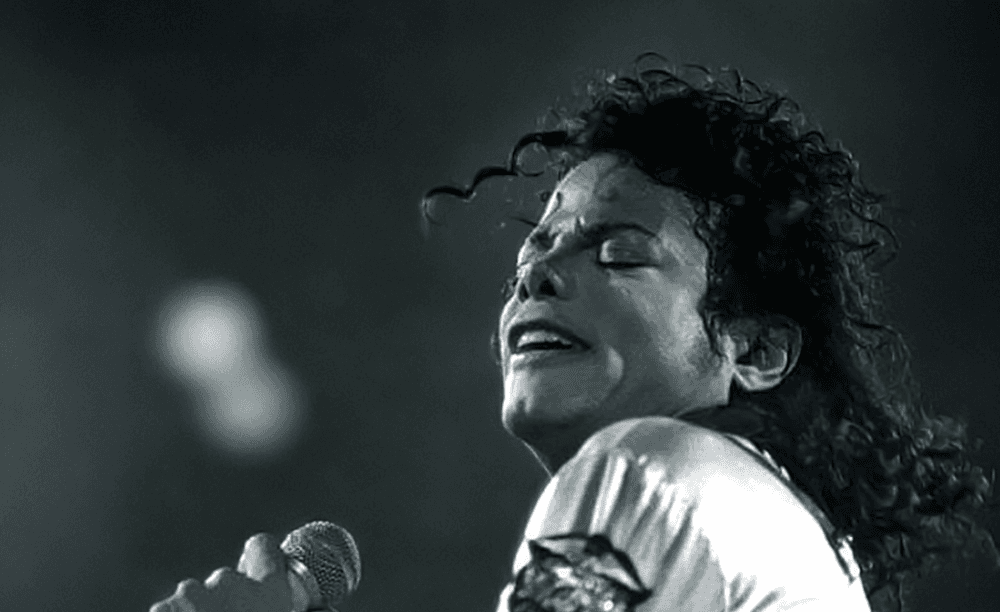
The Mansion where Michael Jackson fatally overdosed on propofol.

Actress Brittany Murphy died in her Hollywood Hills home in 2009, followed by her husband five months later in the same house.
.jpg&w=3840&q=75)
Legendary director Rob Reiner and his wife Michele were allegedly stabbed to death in their Brentwood home by their son Nick in 2025.
A Quick Note From Our Founder
Morbid Tourism is independently researched and maintained by one person. Every location is fact-checked, verified, and mapped so you can find exactly what you're looking for. If this page helped you, a coffee keeps the research going.