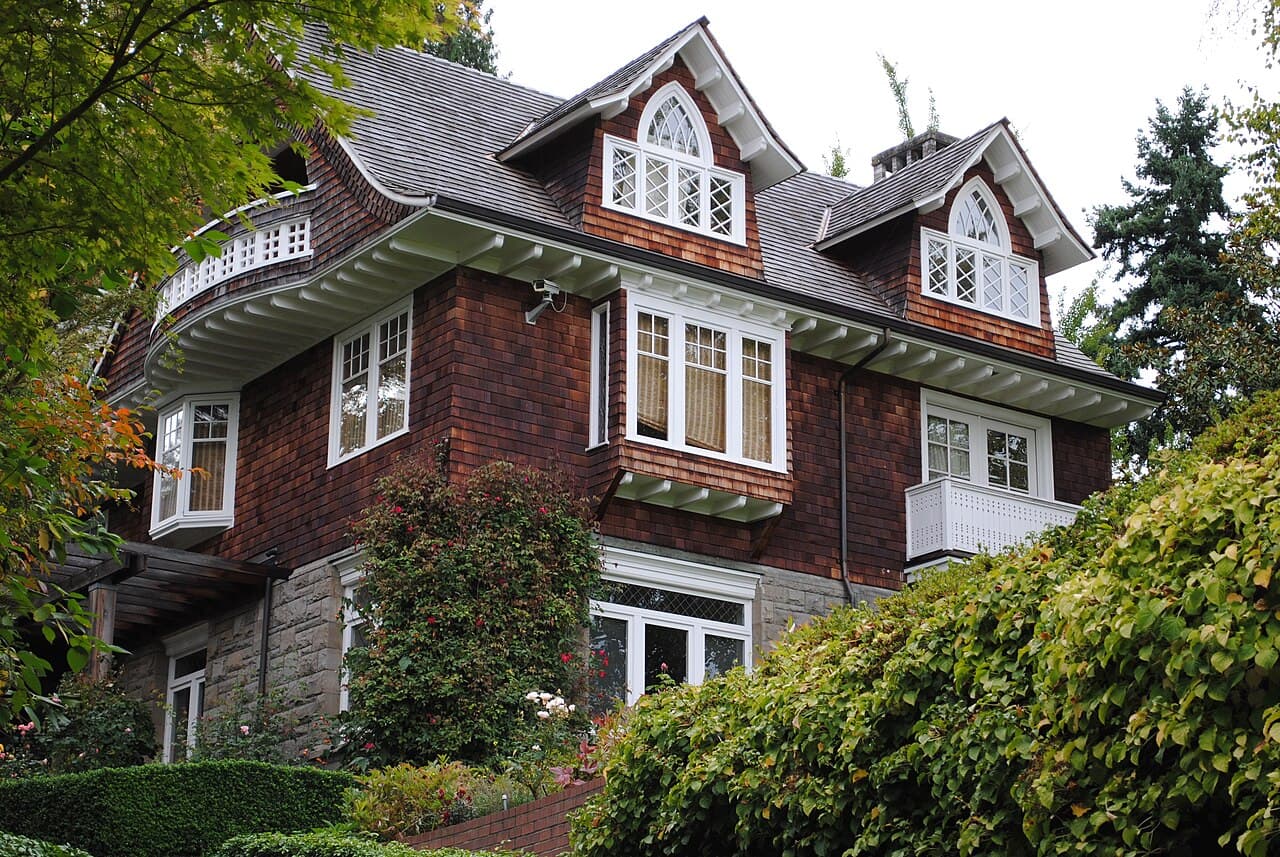
171 Lake Washington Blvd E., Seattle, WA 98122
ADVERTISEMENT
This page contains affiliate links. We may earn a small commission at no extra cost to you.
Author: Jewls Krueger
Kurt Cobain was the singer, guitarist, and songwriter of Nirvana, the Seattle band that pushed grunge into the mainstream and became one of the most influential acts of the 1990s. On April 8, 1994, an electrician found Cobain's body in a room above the garage of his home in Seattle's Denny-Blaine neighborhood. He had died several days earlier of a self-inflicted shotgun wound. He was 27.
The death was ruled a suicide, and it remains one of the most scrutinized celebrity deaths in American music. Decades later, some fans and a small number of investigators still question the official finding, though police have reviewed the case more than once and reaffirmed their conclusion each time.
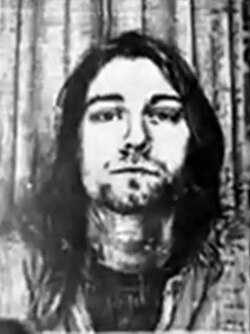
Kurt Cobain - Public Domain
Cobain grew up in Aberdeen, Washington, and formed Nirvana with bassist Krist Novoselic in the late 1980s. The band's 1991 album Nevermind turned Cobain into a reluctant figurehead for a generation almost overnight.
He struggled for years with depression, chronic stomach pain, and heroin addiction. Friends and family later said the pressures of sudden fame weighed heavily on him. In interviews, Cobain spoke openly about physical pain and about wanting the constant attention to stop.
On March 4, 1994, Cobain was hospitalized in Rome after overdosing on a sedative and alcohol. His management called the incident accidental at the time. Courtney Love, his wife, later said it had been a suicide attempt.
Later that month, family and friends staged an intervention at the Seattle house and pressed Cobain to enter treatment. He checked into Exodus Recovery Center in Los Angeles, then left the facility on April 1 by climbing a wall, after which he returned to Seattle. On April 2, he bought shotgun shells at a Seattle gun shop.
Further Reading
On April 8, 1994, an electrician arrived at the Lake Washington Boulevard house to install security lighting and discovered Cobain's body in the greenhouse above the garage. A 20-gauge shotgun lay across his chest, and a note was found nearby. The King County medical examiner determined that Cobain had died on approximately April 5.
Toxicology testing found a high level of heroin in his system along with traces of Valium. The Seattle Post-Intelligencer reported that Cobain had a large amount of the drug in his blood when he died. Whether that dose on its own would have been fatal has been debated for years, and it sits at the center of the later conspiracy theories.
The note was addressed to Boddah, an imaginary friend from Cobain's childhood. Much of it reads as a farewell to music and to his fans, with the final lines addressed to his wife, Courney Love, and their daughter, Frances.
Seattle police ruled the death a suicide, but not everyone accepted the finding. A private investigator named Tom Grant, who had been hired by Love to locate Cobain after he left rehab, later argued that Cobain could not have injected so much heroin and still operated the shotgun, and that the note read more like a retirement letter than a suicide note. Seattle public-access host Richard Lee ran a series making similar claims.
These theories spread through an Unsolved Mysteries segment and later films, including Nick Broomfield's Kurt & Courtney and the 2015 documentary Soaked in Bleach. Broomfield, after investigating, said he found no evidence of murder. Cobain's former manager, Danny Goldberg, has flatly rejected the murder claims. One persistent rumor holds that the shotgun was destroyed, but that is not true. Seattle police still hold the weapon in evidence and released photographs of it in 2016.
Cobain's body was cremated. Love divided his ashes, keeping some and scattering others, including at a creek in Olympia, Washington.
The case has been examined repeatedly. In 2014, ahead of the 20th anniversary, a Seattle cold case detective reviewed the file, developed old crime-scene film, and reaffirmed the suicide ruling. In 2021, the FBI released its ten-page file on Cobain, which consisted mostly of letters from the public urging an investigation. The bureau said the matter fell outside federal jurisdiction and did not reopen it.
In early 2026, a private team of forensic specialists claimed that its review of the autopsy pointed to homicide. The Seattle Police Department responded that the case remains closed and will not be reopened, restating that its own detective concluded Cobain died by suicide.
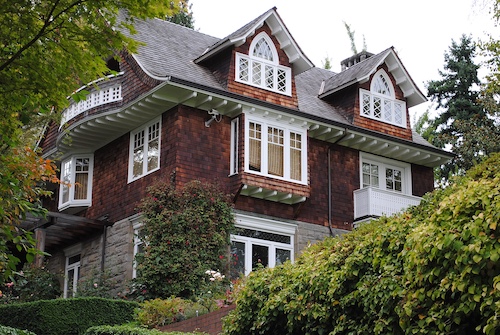
Kurt Cobain's House Today - Creative Commons: Etsy Ketsy
The house still stands at the edge of Seattle's Denny-Blaine neighborhood, overlooking Lake Washington. Love had the greenhouse where Cobain's body was found demolished after his death, and she sold the home in 1997. It has changed hands since and sold again in 2020. It is a private residence, screened by tall fences and heavy greenery, and is largely hidden from the street.
Most visitors go instead to Viretta Park, the small public park just south of the property. Its benches have become an unofficial memorial, covered in graffiti, lyrics, and handwritten messages left by fans from around the world. People gather there each year around the anniversary of Cobain's death.
If you visit, treat the park and the neighborhood with respect. Stay in the public park, do not try to photograph over the fence or approach the house, and remember that the property is someone's private home. Do not block the narrow residential streets or disturb the people who live nearby.
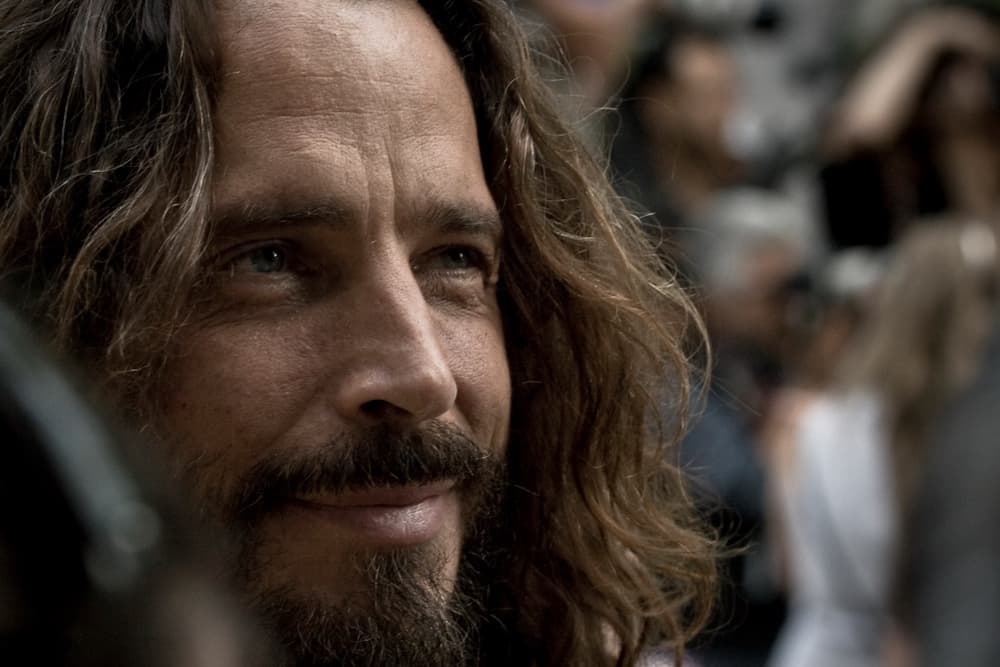
Soundgarden frontman Chris Cornell died by suicide in a downtown Detroit hotel room in May 2017, hours after a sold-out concert.
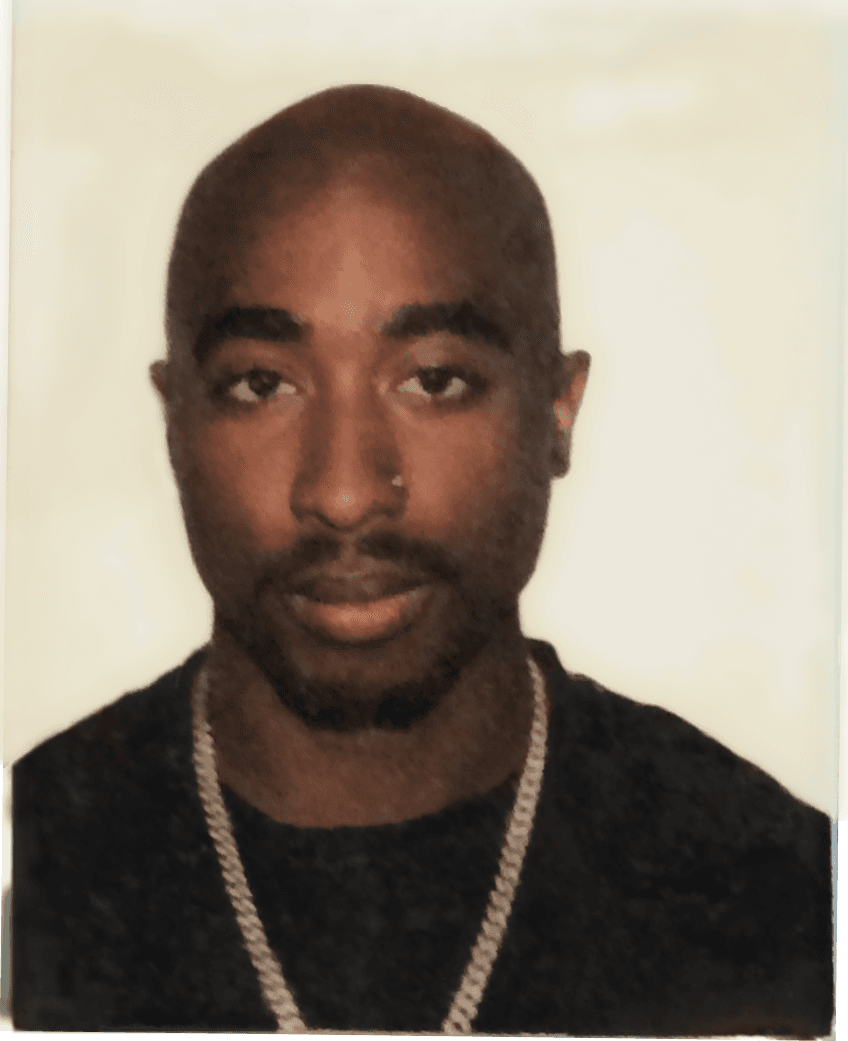
West Coast rapper Tupac Shakur was shot and killed at this Las Vegas intersection.
.jpg&w=3840&q=75)
John Lennon was murdered by a super-fan in front of this famous NYC building
A Quick Note From Our Founder
Morbid Tourism is independently researched and maintained by one person. Every location is fact-checked, verified, and mapped so you can find exactly what you're looking for. If this page helped you, a coffee keeps the research going.