.jpg&w=3840&q=75)
The Dakota, 1 W 72nd St, New York, NY 10023
ADVERTISEMENT
This page contains affiliate links. We may earn a small commission at no extra cost to you.
Author: Jewls Krueger
On the night of December 8, 1980, John Lennon was shot four times as he walked toward the entrance of the Dakota, the Upper West Side apartment building where he lived with his wife, Yoko Ono, and their young son. The man who killed him, Mark David Chapman, had waited outside the building for hours and had asked Lennon for an autograph earlier that same evening. Lennon was 40 years old. His death was mourned around the world and turned the Dakota's arched entrance into one of the most visited sites in New York City.
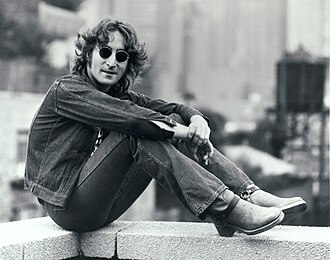
John Lennon was born in Liverpool, England, on October 9, 1940. He was a musician, singer, songwriter, and peace activist. In 1956 he formed a skiffle group called the Quarrymen, and on July 6, 1957, he met Paul McCartney at a church fete in the Liverpool suburb of Woolton and invited him to join. That band evolved over the next few years into the Beatles, which by 1962 featured the classic lineup of Lennon, McCartney, George Harrison, and Ringo Starr. The group became the most commercially successful and influential act in the history of popular music.
Lennon was outspoken about his anti-war beliefs and used his fame to promote peace, most visibly through the "bed-ins" he staged with Ono and through songs such as "Give Peace a Chance" and, later, his solo anthem "Imagine." A 1966 remark that the Beatles had become "more popular than Jesus" drew fury from some religious listeners and would resurface years later in his killer's stated grievances.
ADVERTISEMENT
Lennon met the Japanese artist Yoko Ono in November 1966 at a London gallery. He was still married to his first wife, Cynthia, at the time. The two divorced in 1968, and Lennon married Ono in 1969. Their relationship became one of the most scrutinized in music, and for decades Ono was blamed by many fans for the Beatles' breakup. That version of events has been widely disputed, including by McCartney himself, who has said Lennon was the one who chose to leave and that Ono was not to blame. The Beatles officially dissolved in 1970. Lennon and Ono went on to record together and separately, and in 1975 their son, Sean, was born. Sean was Lennon's second child; his first son, Julian, was from his marriage to Cynthia.
By 1980, Lennon had stepped back from public life to help raise Sean, then returned to the studio with Ono for the album Double Fantasy, released that November. On the afternoon of December 8, 1980, Lennon and Ono left the Dakota for a recording session. As they walked to their car, Lennon stopped to sign a copy of Double Fantasy for Chapman, who had been waiting outside. A photographer captured the moment.
The couple returned home at around 10:50 p.m. As they walked toward the building's archway entrance, Chapman, still standing near the doorway, drew a revolver and fired five hollow-point bullets. Four struck Lennon in the back. He staggered into the lobby and collapsed. Police officers who arrived within minutes decided not to wait for an ambulance and drove Lennon to Roosevelt Hospital in a squad car, where doctors were unable to revive him. He was pronounced dead on arrival at 11:15 p.m.
Book Recommendation
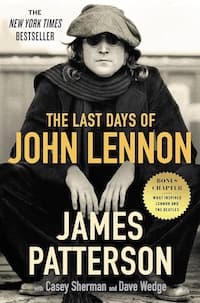
Legendary Author James Patterson interviewed those closest to John Lennon, including fellow Beatle Paul McCartney, to get an intimate view of the final days of the legandary John Lennon.
Buy on Amazon →By purchasing through this link, we may earn a small commission at no extra cost to you. Thank you for supporting our work!
Mark David Chapman was a 25-year-old former security guard from Honolulu, Hawaii, with no prior criminal record. He had once idolized the Beatles, but he grew fixated on the idea that Lennon was a hypocrite, pointing to Lennon's wealth alongside lyrics like those of "Imagine" and to the "more popular than Jesus" remark. Chapman was also obsessed with J.D. Salinger's novel The Catcher in the Rye and its narrator, Holden Caulfield. After the shooting he remained on the sidewalk, calmly reading the book, until police arrived and arrested him without resistance. He had purchased the revolver in Honolulu weeks earlier and had been planning the killing for months.
Chapman was charged with second-degree murder. New York law at the time did not treat premeditation alone as grounds for a first-degree charge. He underwent psychiatric evaluation, and although his attorneys advised him to plead not guilty by reason of insanity, Chapman instead pleaded guilty, saying the decision was the will of God. In August 1981 he was sentenced to 20 years to life in prison. He became eligible for parole in 2000 and has been denied release repeatedly. As of 2025 he had been turned down 14 times, and he remains incarcerated at Green Haven Correctional Facility in New York.
ADVERTISEMENT
The Dakota still stands at the corner of 72nd Street and Central Park West on Manhattan's Upper West Side. Designed by architect Henry Janeway Hardenbergh and completed in 1884, it was the city's first luxury apartment building and is now a private cooperative. It was added to the National Register of Historic Places in 1972 and designated a National Historic Landmark in 1976. Over the years it has housed residents including Lauren Bacall, Leonard Bernstein, and Boris Karloff, and its brooding facade served as the exterior of the "Bramford" in the 1968 film Rosemary's Baby. The interiors for that film were shot on a studio soundstage, and in Ira Levin's original novel the building was located elsewhere in Manhattan.
Yoko Ono has kept an apartment in the Dakota for decades. Directly across the street, inside Central Park, is Strawberry Fields, a tear-shaped garden landscaped in Lennon's memory and centered on a mosaic bearing the single word "Imagine." The Dakota remains a private residence, and its entrance is still the active doorway used by the people who live there. Visitors are welcome to view the building and the memorial from the public sidewalk and the park, but should respect residents' privacy, avoid blocking the entrance, and remember that this is both a family's home and, for many, a place of mourning.
Explore NYC's darkest history with this NYPD-guided true crime and mafia walking tour — one of the city's highest-rated dark tourism experiences, with food included.
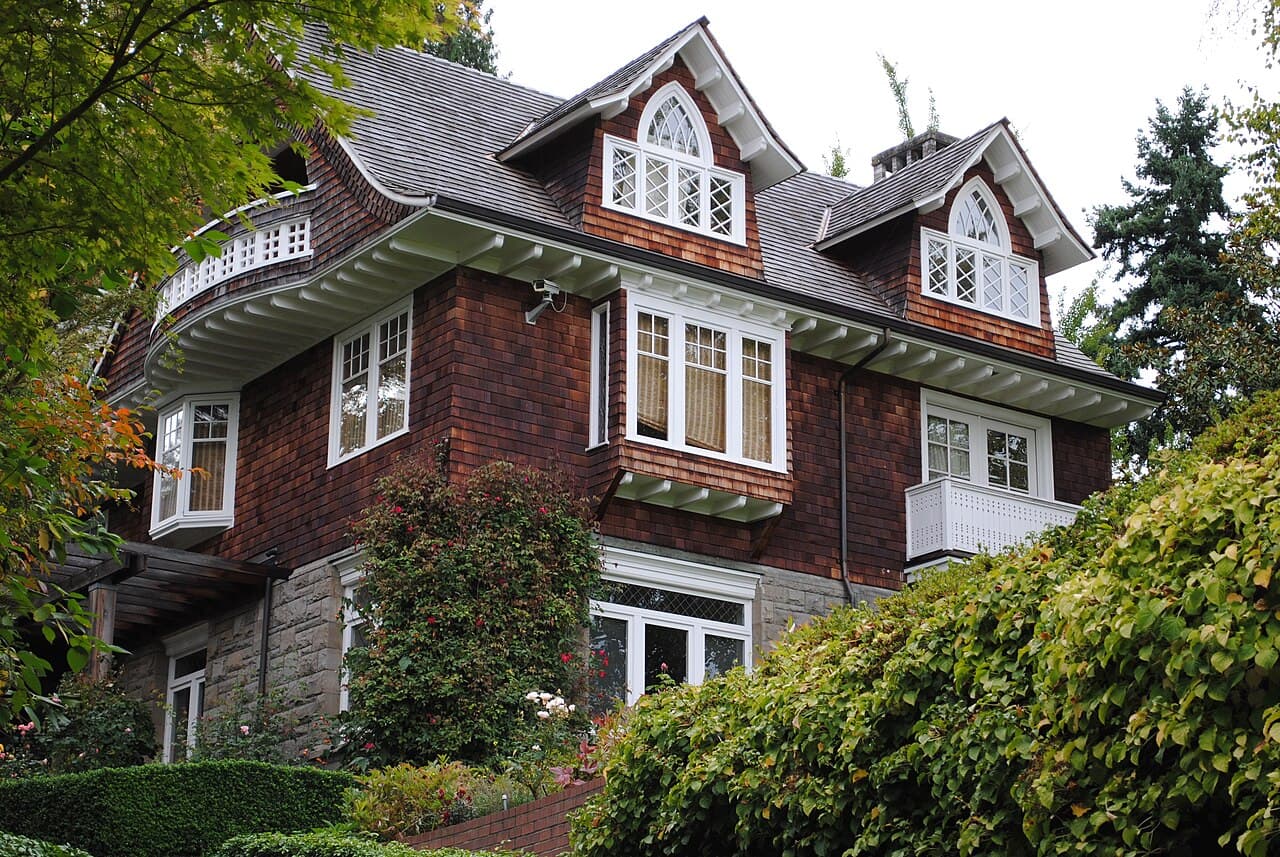
Musician Kurt Cobain took his own life in the greenhouse of this Seattle home

Tejano pop star Selena was murdered by the founder of her fan club at this Corpus Christi Motel.
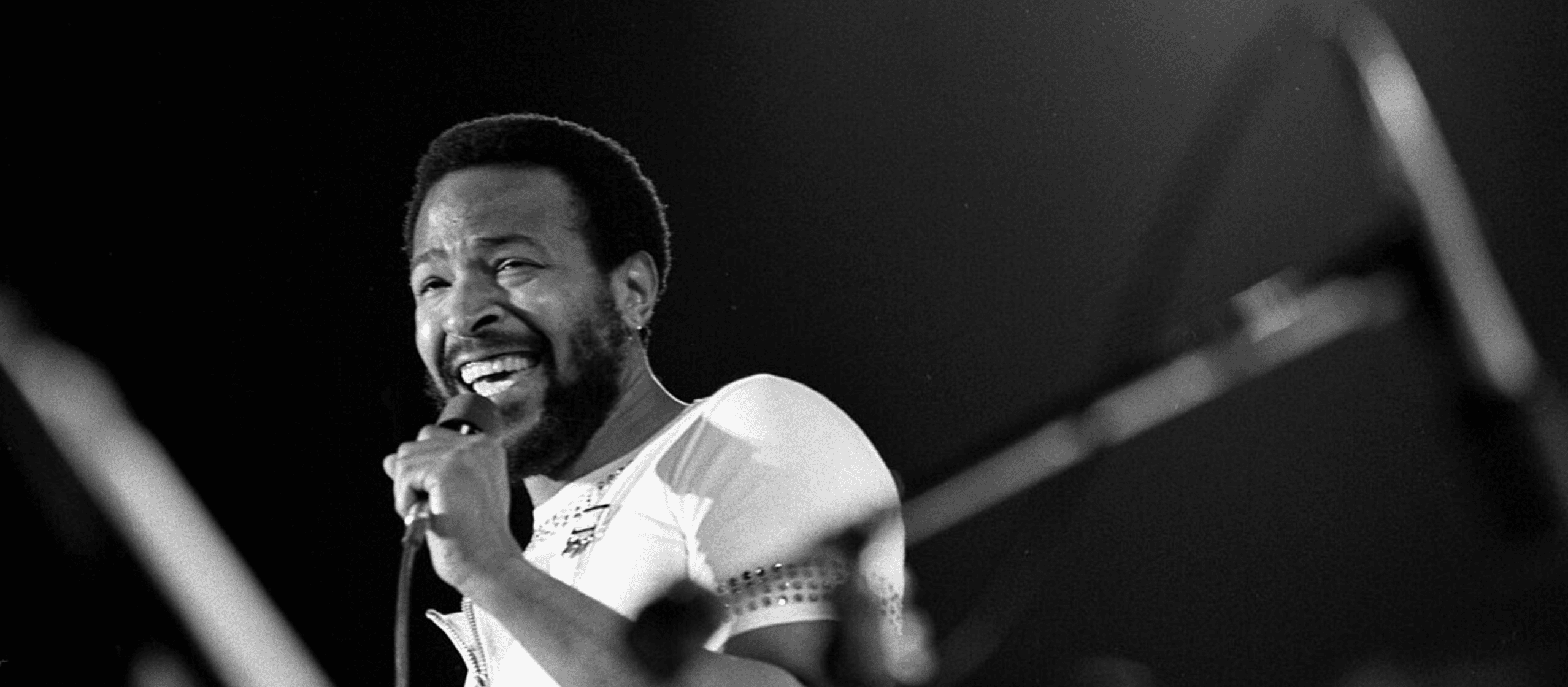
Singer Marvin Gaye was shot and killed by his father inside this Los Angeles home.
A Quick Note From Our Founder
Morbid Tourism is independently researched and maintained by one person. Every location is fact-checked, verified, and mapped so you can find exactly what you're looking for. If this page helped you, a coffee keeps the research going.