450 Mulberry Street, Memphis, TN 38103
This page contains affiliate links. We may earn a small commission at no extra cost to you.
Author: Jewls Krueger
On April 4, 1968, Dr. Martin Luther King Jr. was shot and killed on the second-floor balcony of the Lorraine Motel in Memphis, Tennessee. He was 39 years old. The killing of the nation's most prominent civil rights leader set off grief and unrest across the country and marked one of the defining tragedies of the 1960s.
The motel still stands. Today it forms the heart of the National Civil Rights Museum, where the balcony outside room 306 has been preserved much as it looked on the day King died.

Martin Luther King Jr. was born on January 15, 1929, in Atlanta, Georgia, the son of a Baptist minister. He followed his father into the ministry and earned a doctorate in theology from Boston University in 1955.
That same year, King helped lead the Montgomery bus boycott, a yearlong protest against segregated public transit that brought him to national attention. He went on to head the Southern Christian Leadership Conference and became the movement's leading voice for nonviolent resistance to segregation.
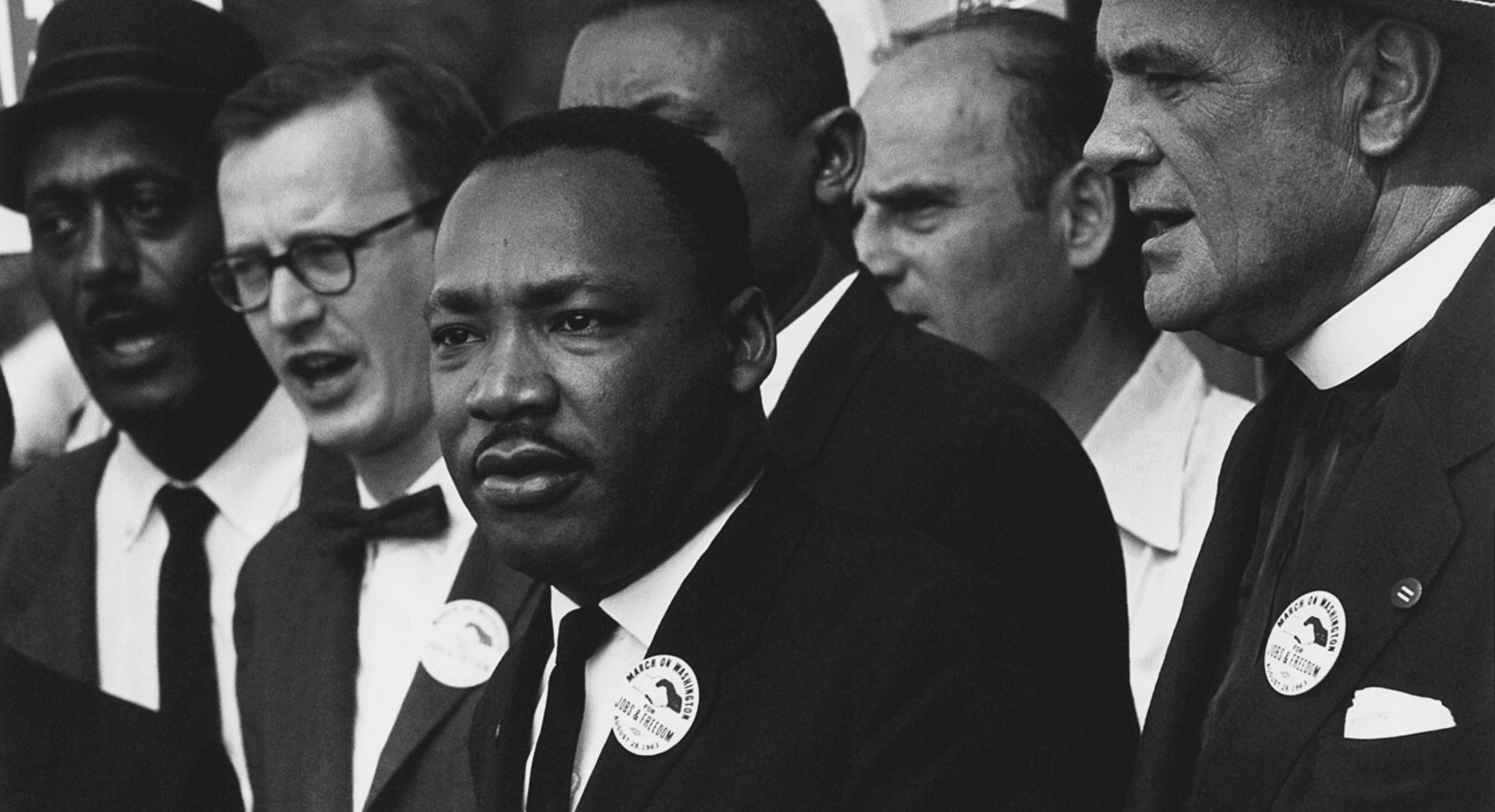
In 1963, King helped organize the March on Washington for Jobs and Freedom, where he delivered his "I Have a Dream" speech. The following year he was awarded the Nobel Peace Prize. By 1968 he had widened his focus to poverty and economic justice, work that brought him to Memphis in the final week of his life.
Book Recommendation

Want to learn more about Dr. Martin Luther King? Jonathan Eig's book has been awarded the 2024 Pulitzer Prize for Biography and Barack Obama has said it is one of his favorite books.
Buy on Amazon →By purchasing through this link, we may earn a small commission at no extra cost to you. Thank you for supporting our work!
King traveled to Memphis to support striking Black sanitation workers. The strike had begun in February 1968, after two workers were crushed to death in a garbage truck. City sanitation workers earned roughly a dollar an hour and worked without a recognized union or basic protections.
King arrived on April 3 and spoke that night at the Mason Temple, delivering what became known as his "I've Been to the Mountaintop" speech. In it he acknowledged the threats against his life and told the crowd he was not afraid.
On the evening of April 4, King was staying in room 306 at the Lorraine Motel with the Rev. Ralph Abernathy and other colleagues. They were preparing to leave for dinner at the home of a local minister, the Rev. Billy Kyles. King stepped onto the balcony to speak with associates gathered in the courtyard below, among them Jesse Jackson. His last words were to the musician Ben Branch, whom he asked to play the hymn "Take My Hand, Precious Lord" at the event that night.
At 6:01 p.m. a single rifle shot struck King on the right side of his face and neck, severing his spinal cord. He was rushed to St. Joseph's Hospital, where doctors were unable to save him. He was pronounced dead at 7:05 p.m.
News of the assassination triggered unrest in more than 100 cities. Within days, Memphis settled the sanitation strike on terms favorable to the workers King had come to support.

The shot had been fired from a rooming house on South Main Street, across from the motel. Investigators recovered a Remington rifle and binoculars bearing fingerprints that the FBI matched to James Earl Ray, a career criminal who had escaped from the Missouri State Penitentiary in 1967.
Ray had bought the rifle under a false name, driven to Memphis, and rented a room in the rooming house under the alias John Willard. The window of a shared bathroom looked directly toward King's balcony.
After a manhunt lasting more than two months, Ray was captured on June 8, 1968, at London's Heathrow Airport while traveling on a forged Canadian passport. He was extradited to Tennessee to stand trial.
On March 10, 1969, on the advice of his attorney and to avoid a possible death sentence, Ray pleaded guilty to King's murder and was sentenced to 99 years in prison. Three days later he recanted, and he spent the rest of his life trying to withdraw the plea and obtain a jury trial. He never succeeded.
In 1977, Ray and several other inmates escaped from Brushy Mountain State Penitentiary. All were recaptured within three days, and time was added to his sentence. Ray died in prison on April 23, 1998, at age 70, of liver failure caused by hepatitis C.
Questions about the case have persisted. The King family came to believe Ray was a scapegoat and that a broader conspiracy was responsible. In a 1999 civil suit brought by the family in Memphis, a jury found that a local man and unnamed co-conspirators had taken part in a plot to kill King. A United States Department of Justice review in 2000 found no evidence to support those conspiracy claims. The debate remains unresolved for many, and additional government records related to the case have been slated for release in recent years.

The Lorraine Motel opened as the National Civil Rights Museum in 1991. A Smithsonian Affiliate, the museum traces the American civil rights movement across centuries of history and ends at the preserved balcony and room 306 where King spent his final hours.
The site sits on Mulberry Street in the South Main District of downtown Memphis, with free parking for guests. As of 2026 the museum is open from 9 a.m. to 6 p.m. every day except Tuesday, with last admission at 5 p.m., and general adult admission is $25. Tennessee residents can enter free on Monday afternoons with a state ID, outside of holidays and special events. Hours and prices change, so it is worth confirming details on the museum's website before visiting.
This is a place of mourning as well as history. Visitors are asked to move through it with the respect owed to the man who died here and to the movement he led.
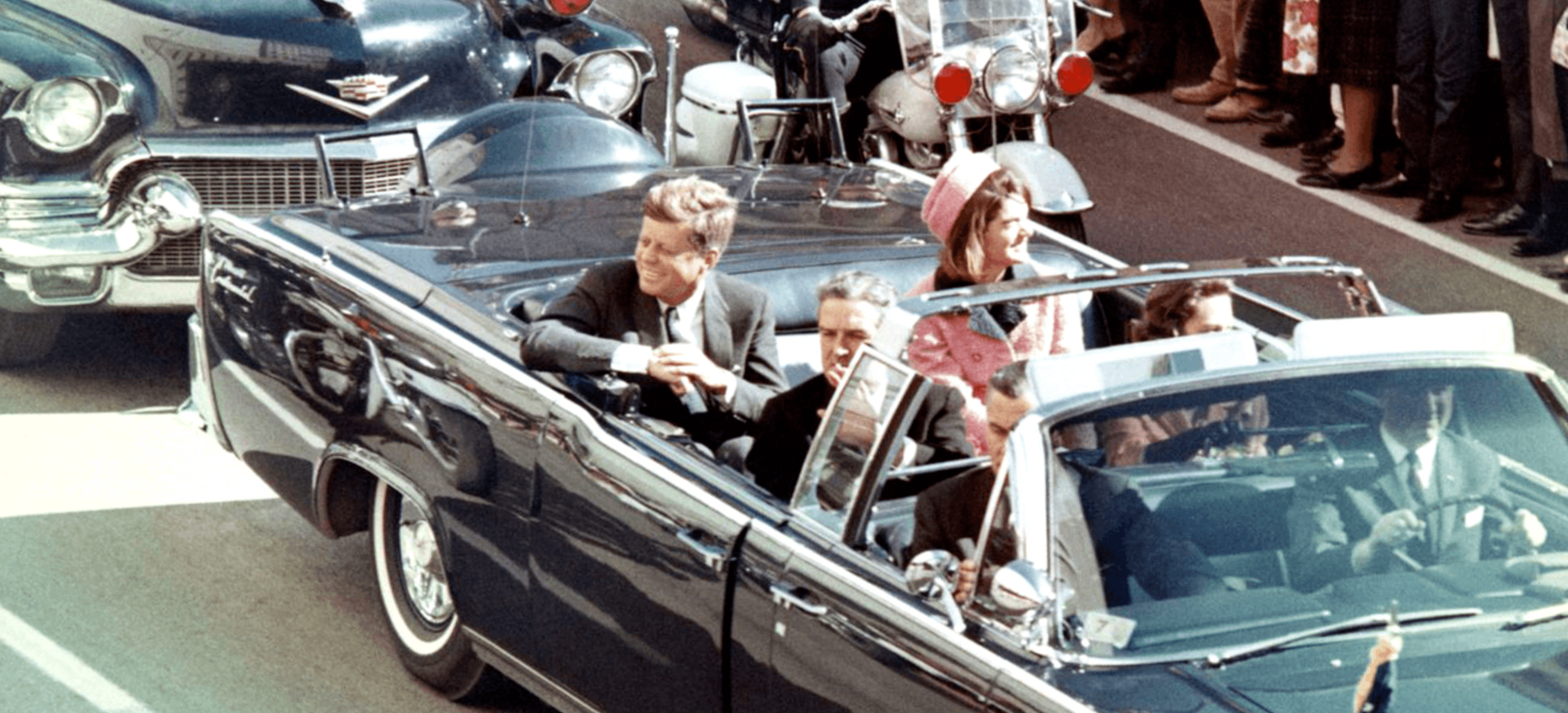
Dealy Plaza - Where President John F. Kennedy was assassinated in 1963
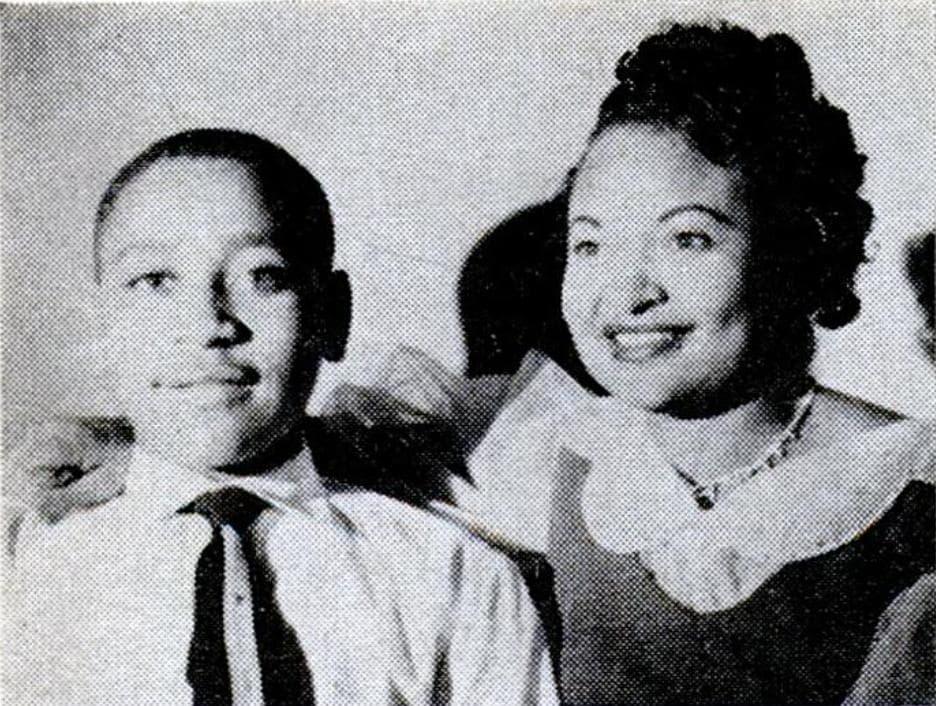
Fourteen-year-old Emmett Till's mutilated body was pulled from the Tallahatchie River near Graball Landing, Mississippi in 1955.
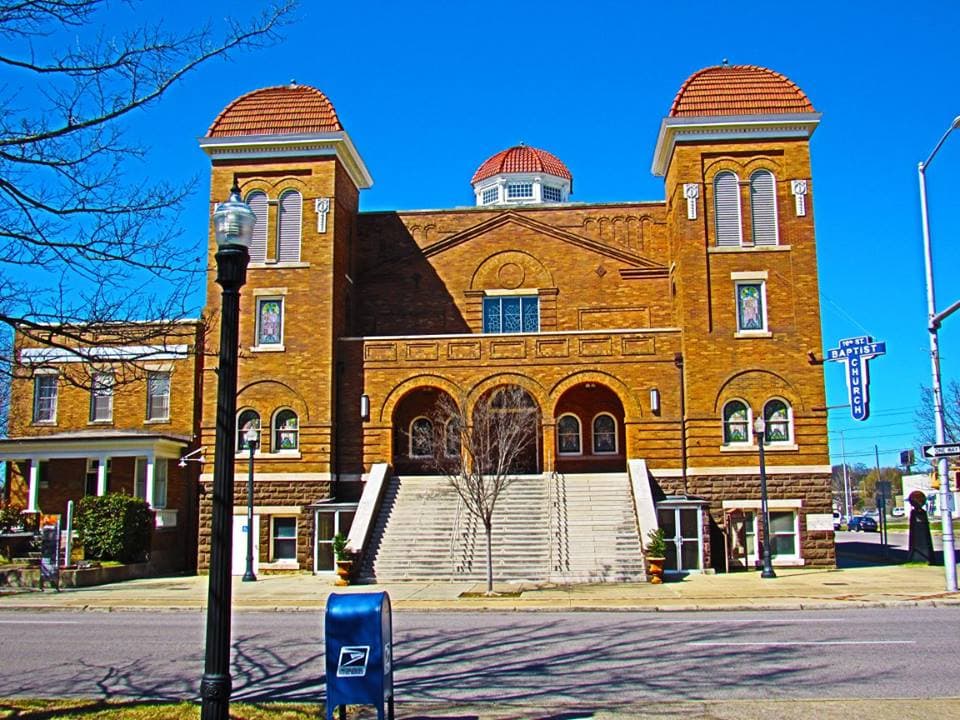
A 1963 bombing at a predominantly Black church left 4 young girls dead.
A Quick Note From Our Founder
Morbid Tourism is independently researched and maintained by one person. Every location is fact-checked, verified, and mapped so you can find exactly what you're looking for. If this page helped you, a coffee keeps the research going.