400 Elm St., Dallas, TX 95202
This page contains affiliate links. We may earn a small commission at no extra cost to you.
Author: Jewls Krueger
On November 22, 1963, President John F. Kennedy was assassinated as his motorcade passed through Dealey Plaza in downtown Dallas. The shots came from the Texas School Book Depository, a warehouse overlooking Elm Street, and within hours Dallas police had arrested a former Marine named Lee Harvey Oswald. Two days later, before Oswald could stand trial, he was shot and killed on live television by a Dallas nightclub owner. The events of that weekend remain among the most examined in American history, and Dealey Plaza is now a National Historic Landmark visited by people from around the world.
John Fitzgerald Kennedy was the 35th president of the United States. He came to Dallas in November 1963 partly to begin building support for his 1964 reelection campaign. To give crowds the best possible view, planners routed the presidential motorcade along a roughly 10 mile path from Love Field through downtown to the Dallas Trade Mart, where Kennedy was scheduled to speak at a luncheon. The route was published in local newspapers in the days beforehand, and an estimated 200,000 people lined the streets.
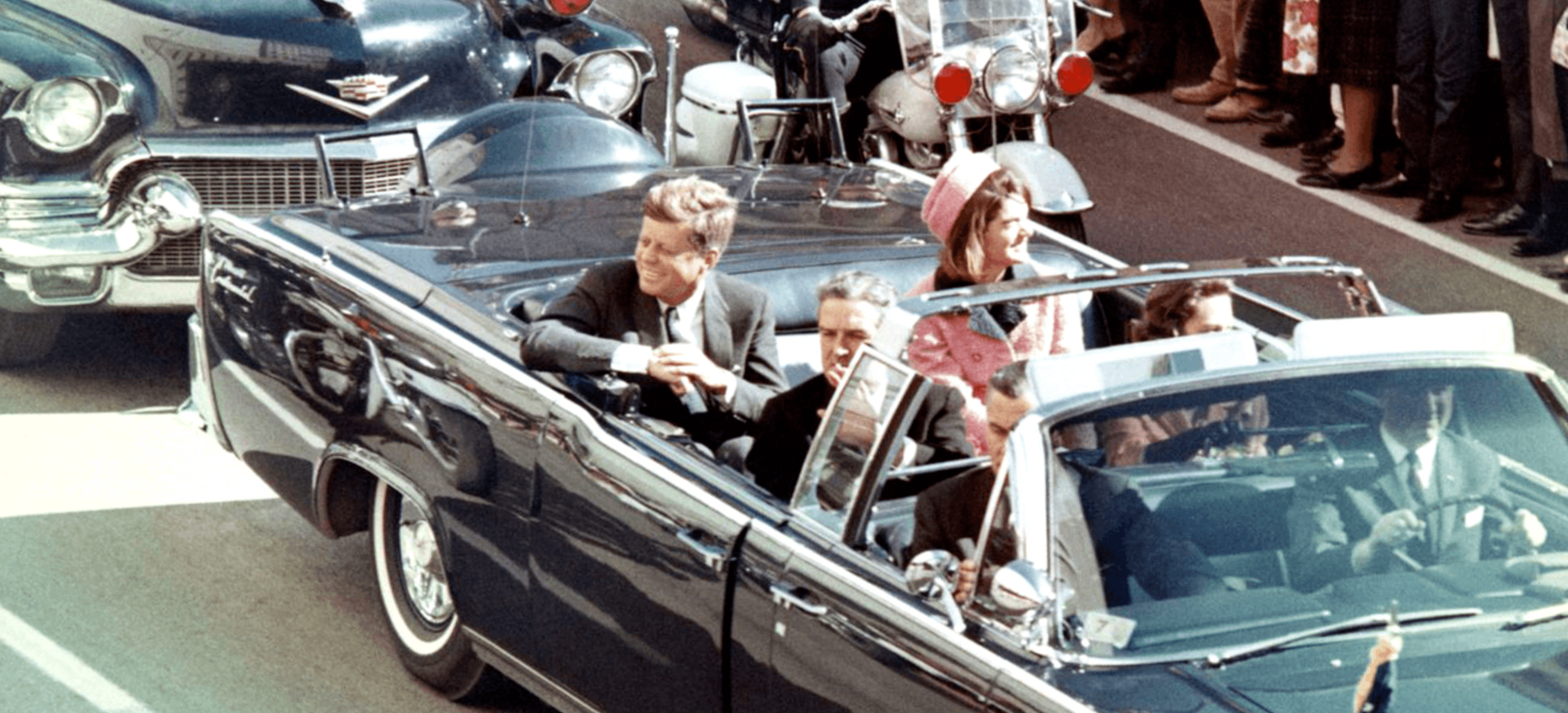
Kennedy rode in the back seat of an open convertible beside his wife, Jacqueline Kennedy. Texas Governor John Connally and his wife, Nellie, sat in the jump seats in front of them. The weather had cleared, so the car's plastic bubble top was left off.

Lee Harvey Oswald was a 24 year old former U.S. Marine working a temporary job at the Texas School Book Depository. He dropped out of high school in 1956 to enlist, and in 1959 he defected to the Soviet Union. He lived in Minsk, married a Russian woman named Marina Prusakova, and returned to the United States with his wife and daughter in 1962. By the fall of 1963 he had taken the warehouse job in Dallas while his family stayed in nearby Irving.
On the morning of the assassination, a coworker named Buell Wesley Frazier gave Oswald a ride to work. Oswald carried a long paper package that he said held curtain rods. Investigators later concluded the package held a disassembled Italian Carcano rifle.

At about 12:30 p.m. Central Time, the motorcade turned onto Elm Street and rolled slowly through Dealey Plaza. Dallas dressmaker Abraham Zapruder stood on a concrete pedestal filming the procession on his 8mm home movie camera, capturing what became the most studied piece of film in the case.
A shot rang out, and many in the plaza first mistook it for a firecracker. A bullet struck Kennedy in the neck, then passed through Governor Connally, wounding him in the back and wrist. Moments later a second shot hit the president in the head, a wound that proved fatal. Jacqueline Kennedy reached toward the back of the car, and Secret Service agent Clint Hill climbed onto the rear of the moving limousine as it accelerated out of the plaza toward Parkland Memorial Hospital. Kennedy was pronounced dead at 1:00 p.m. Governor Connally was rushed into surgery and survived.
Witnesses told police the shots seemed to come from above, from the direction of the Texas School Book Depository, and a supervisor soon noticed that one employee, Lee Harvey Oswald, was missing.
About 45 minutes after the assassination, Dallas police officer J.D. Tippit spotted a man matching the broadcast description walking through the Oak Cliff neighborhood, a few miles southwest of Dealey Plaza. Tippit stopped his patrol car and spoke to the man through the passenger window. When Tippit stepped out, the man drew a .38 caliber revolver and shot him four times, killing him. Witnesses identified the gunman as Oswald.
Shortly afterward, a shoe store manager named Johnny Brewer saw a man slip into the nearby Texas Theatre without buying a ticket. Brewer alerted the theater's cashier, Julia Postal, who called police. Officers filled the theater and confronted Oswald, who tried to draw his pistol before he was wrestled into custody. He was arrested for the murder of Officer Tippit and, soon after, for the assassination of President Kennedy. Oswald denied both killings and claimed he was being singled out because he had once lived in the Soviet Union.

Two days later, on November 24, Oswald was being moved from the city jail to the county jail when Dallas nightclub owner Jack Ruby stepped out of a crowd of reporters in the police basement and shot him once with a concealed revolver. The shooting was broadcast live on national television. Oswald was taken to Parkland, the same hospital where Kennedy had died, and was pronounced dead there.
Ruby said he had acted to spare Jacqueline Kennedy the ordeal of returning to Dallas for a trial. He was convicted of murder in 1964 and sentenced to death, but a Texas appeals court overturned the conviction in 1966 and ordered a new trial. Before it could be held, Ruby died at Parkland in January 1967 of a pulmonary embolism linked to lung cancer.
Book Recommendation
Interested in learning more? Five Days in November was written by the very Secret Service agent who famously leapt onto the back of the presidential limousine in Dallas. The book details the final days of JFK's life by someone who was by his side until the end.
Buy on Amazon →By purchasing through this link, we may earn a small commission at no extra cost to you. Thank you for supporting our work!
Oswald had fired from the Texas School Book Depository, just north of the plaza. On the sixth floor, investigators found a sniper's perch and three spent cartridge shells in the southeast corner window. In 1964, the Warren Commission concluded that Oswald acted alone in killing Kennedy and that there was no evidence of a broader conspiracy. That conclusion has been debated for decades, and later government reviews and independent researchers have continued to reexamine the evidence. The case remains one of the most scrutinized in the country's history.

A block east of Dealey Plaza stands the John Fitzgerald Kennedy Memorial, dedicated in 1970 and designed by architect Philip Johnson, a friend of the Kennedy family whose design was approved by Jacqueline Kennedy. It is a cenotaph, or open tomb, built as a roofless concrete room 30 feet high and 50 feet on each side, meant as a quiet place for reflection rather than a traditional statue. Its stark, minimalist design drew mixed reactions from Dallas residents over the years, but it has since become a fixture of the downtown landscape.
Dealey Plaza sits at the west end of downtown Dallas, near the Triple Underpass, and looks much as it did in 1963. An X painted on Elm Street marks the approximate spot where the president was struck. The former Texas School Book Depository still stands just north of the plaza and now houses The Sixth Floor Museum, operated by the Dallas County Historical Foundation, which documents Kennedy's life, the assassination, and its aftermath from the floor where the shots were fired.
The plaza is a public park and a National Historic Landmark, open to visitors year round, and the surrounding sites are easily explored on foot. Because traffic still moves through the intersection, visitors are encouraged to be mindful of vehicles on Elm Street and respectful of others who come to reflect on what happened here.
Learn the story of the John F. Kennedy’s assassination as the former president drove across the Grassy Knoll in Dallas. Visit the Dealey Plaza Sixth Floor Museum and see Oswald’s home as you learn about the conspiracies surrounding this tragic event.
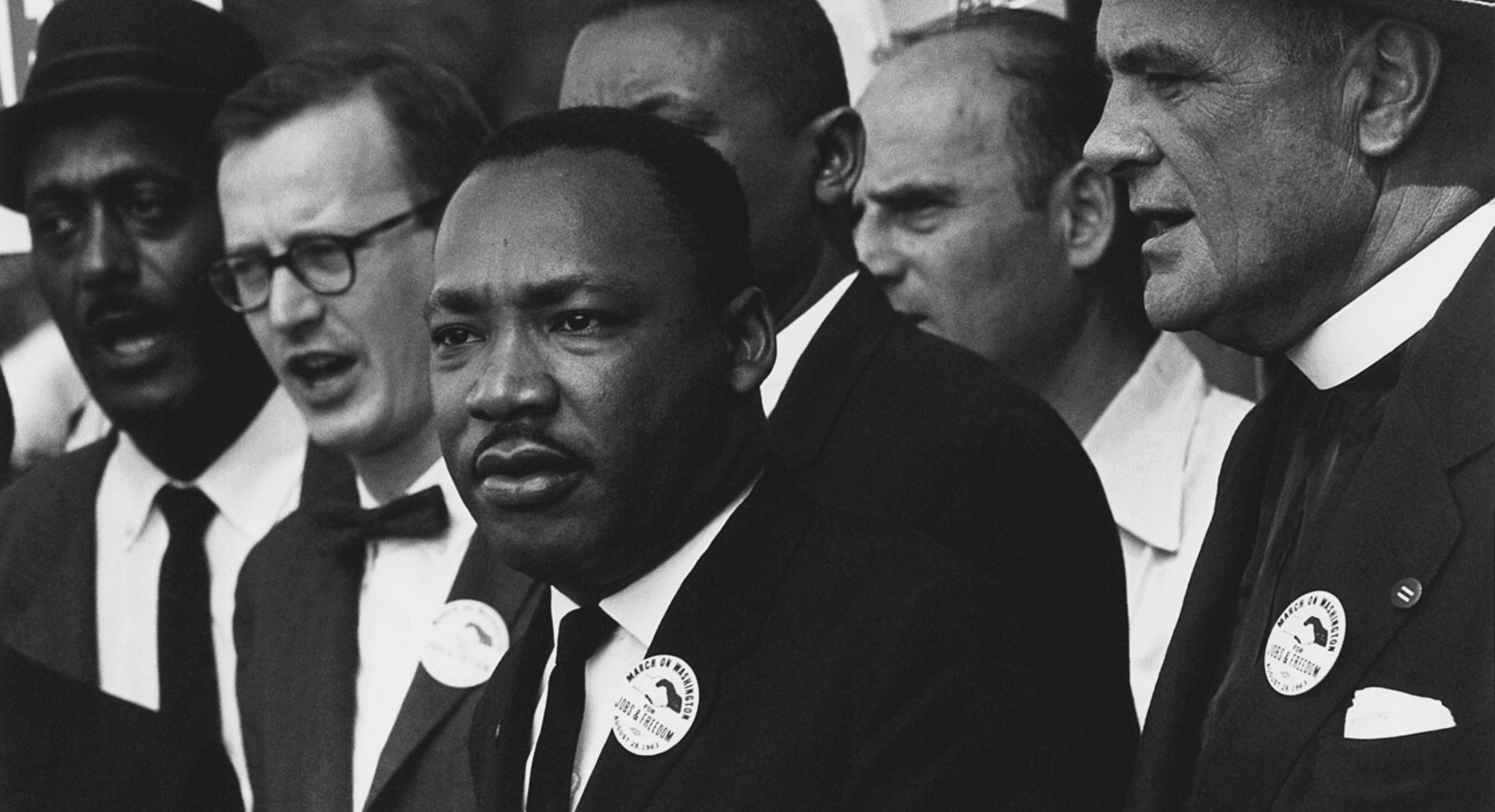
Civil Rights leader Dr. Martin Luther King Jr. was assassinated at this Memphis hotel.
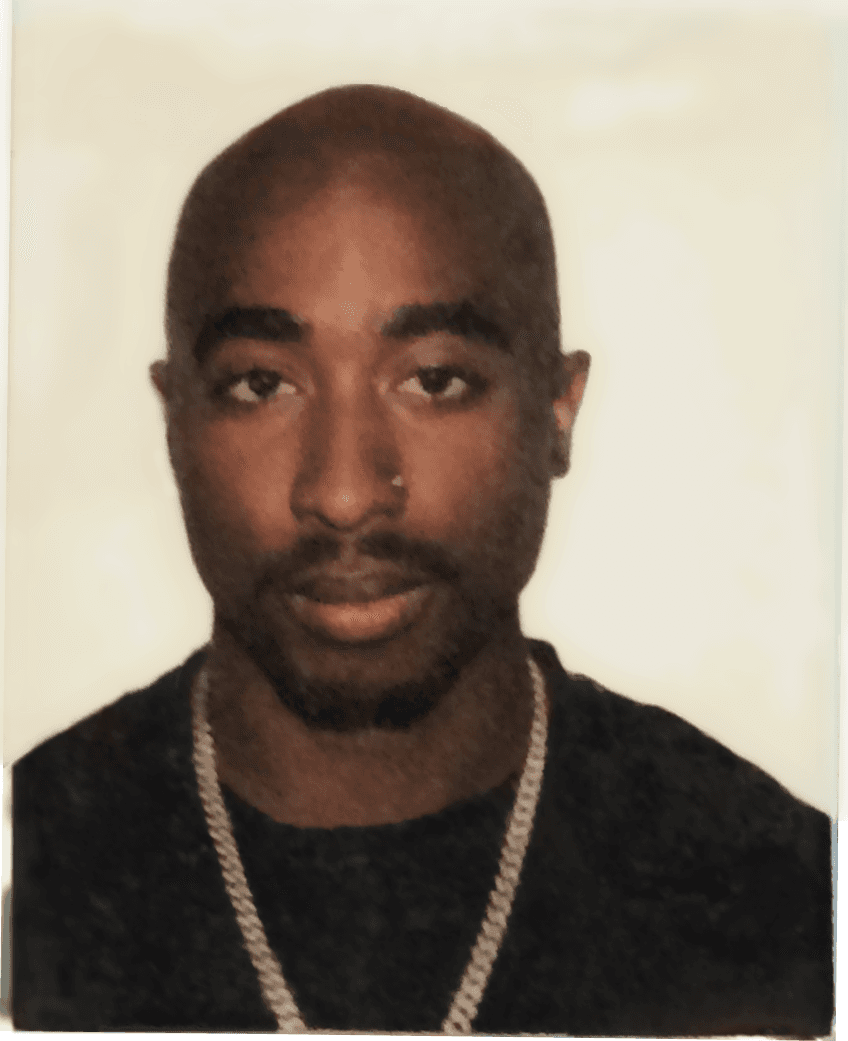
West Coast rapper Tupac Shakur was shot and killed at this Las Vegas intersection.

John Lennon was murdered by a super-fan in front of this famous NYC building
A Quick Note From Our Founder
Morbid Tourism is independently researched and maintained by one person. Every location is fact-checked, verified, and mapped so you can find exactly what you're looking for. If this page helped you, a coffee keeps the research going.