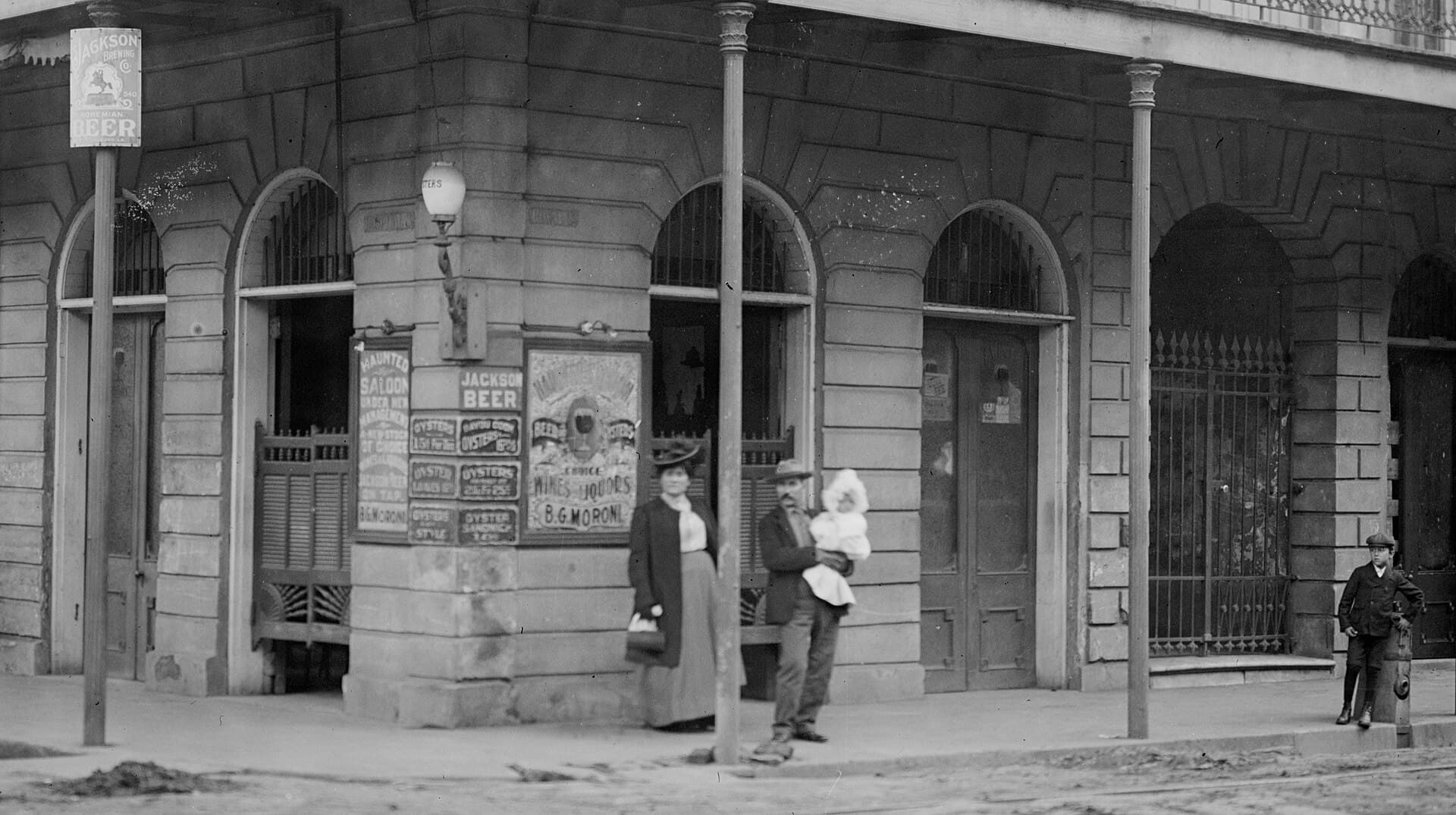
1140 Royal Street, New Orleans, LA 70116
This page contains affiliate links. We may earn a small commission at no extra cost to you.
Author: Jewls Krueger
The LaLaurie Mansion is a French Quarter landmark tied to one of the most infamous chapters in New Orleans history. In the 1830s it was home to Marie Delphine LaLaurie, a wealthy socialite who tortured and killed enslaved people in her household. A fire in 1834 exposed the abuse, and an outraged mob drove the LaLauries out of the city.
The building that stands on the site today is not the one LaLaurie lived in. Her house was gutted by the mob and later rebuilt. Even so, the location remains a fixture of the city's dark tourism, drawing visitors who know it from ghost tours and from its fictionalized role in the television series American Horror Story.

Marie Delphine Macarty was born in New Orleans on March 19, 1787, into a prominent Creole family. She married three times and was twice widowed. Her first husband, a Spanish royal officer, died in 1804, and her second, a banker named Jean Blanque, died in 1816. On June 25, 1825, she married her third husband, a physician named Leonard Louis Nicolas LaLaurie, and took his name.
In 1831, LaLaurie bought property on Royal Street, which she managed largely in her own name. A two-story mansion with attached slave quarters was built there, and by 1832 she was living in it with her husband and two of her daughters. She held a central place in New Orleans society and was known for hosting lavish parties.
Accounts of how LaLaurie treated the people she enslaved vary, but reports of mistreatment circulated in New Orleans society for years. According to historian Carolyn Morrow Long, LaLaurie was first investigated for cruelty as early as 1828, though the court records from that inquiry have not been found.
Funeral registers from 1830 to 1834 document the deaths of twelve enslaved people at the Royal Street mansion, though the causes were not recorded. Among them were a cook and laundress named Bonne and her four children, Juliette, Florence, Jules, and Leontine, the youngest of whom died at age two.
On April 10, 1834, a fire broke out in the mansion's kitchen. When responders arrived, they found a seventy-year-old cook chained to the stove by her ankle. She later said she had set the fire herself as a suicide attempt because she feared being punished, and that enslaved people taken to the uppermost room never came back.
As reported by the New Orleans Bee the following day, bystanders forced their way into the locked slave quarters and found seven people, badly mutilated, who said they had been held there for months. A judge who entered the home later described finding an enslaved woman wearing an iron collar and another woman with a deep head wound who was too weak to walk.
When word of the discovery spread, a mob of citizens attacked the mansion and destroyed nearly everything inside, leaving little standing but the walls. The rescued captives were taken to a local jail, where the Bee reported that as many as 4,000 people came to view them.
The LaLauries fled the city, traveling by coach to the waterfront and then by ship to Mobile, Alabama, and eventually to Paris. Delphine LaLaurie was never brought to justice and is believed to have died in Paris. Sources disagree on the year, with a cemetery plate reading 1842 and Paris archives recording her death in 1849.
Much of what is popularly told about the LaLaurie Mansion comes from accounts written long after 1834. The earliest published version, by Harriet Martineau in 1838, described a neighbor who claimed to have seen a young enslaved girl, said to be about eight years old, fall to her death from the roof while trying to escape punishment. Later writers expanded the story, naming the girl and adding that she had snagged LaLaurie's hair while brushing it.
More graphic claims, including surgical experiments, victims with their limbs broken and reset, and intestines tied around waists, first appeared in a 1946 ghost-story collection by Jeanne deLavigne and a 1998 book by tour operator Kalila Katherina Smith. Neither cited primary sources, and historians have found no contemporary evidence for these details. Some modern retellings inflate the number of victims to as many as one hundred, a figure the historical record does not support.
Book Recommendation
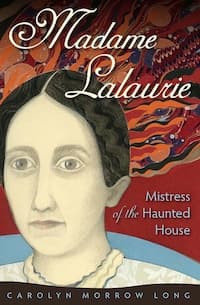
Historian Carolyn Morrow Long's "Madame Lalaurie" is the most rigorously researched account of New Orleans' most infamous socialite, separating nearly two centuries of myth and sensationalism from the historical record.
Buy on Amazon →By purchasing through this link, we may earn a small commission at no extra cost to you. Thank you for supporting our work!
The original mansion did not survive the mob. It stood in ruins for several years and was rebuilt by Pierre Trastour after 1838, taking on the appearance it has today. Over the following decades, the building served as a public high school, a music conservatory, an apartment building, a furniture store, and a bar. Actor Nicolas Cage bought it in 2007 for about 3.45 million dollars and lost it to foreclosure in 2009, after which it was purchased at auction by Regions Financial Corporation. Houston energy trader Michael Whalen bought the home in 2010 and spent years renovating it, and in 2024 he listed it for 10.25 million dollars and reportedly accepted an offer from an out-of-state buyer.
The mansion sits at the corner of Royal and Governor Nicholls Streets in the French Quarter and remains a private residence, not open to the public. It is one of the most photographed and most visited stops on the city's ghost and history tours. Visitors are asked to view it only from the public sidewalk, to respect the privacy of the owners and neighbors, and to remember that the building's history is rooted in the real suffering of the enslaved people who lived and died there.
If you want to explore the dark history of New Orleans firsthand, this highly-rated true crime tour visits the LaLaurie Mansion and other infamous locations in the French Quarter.
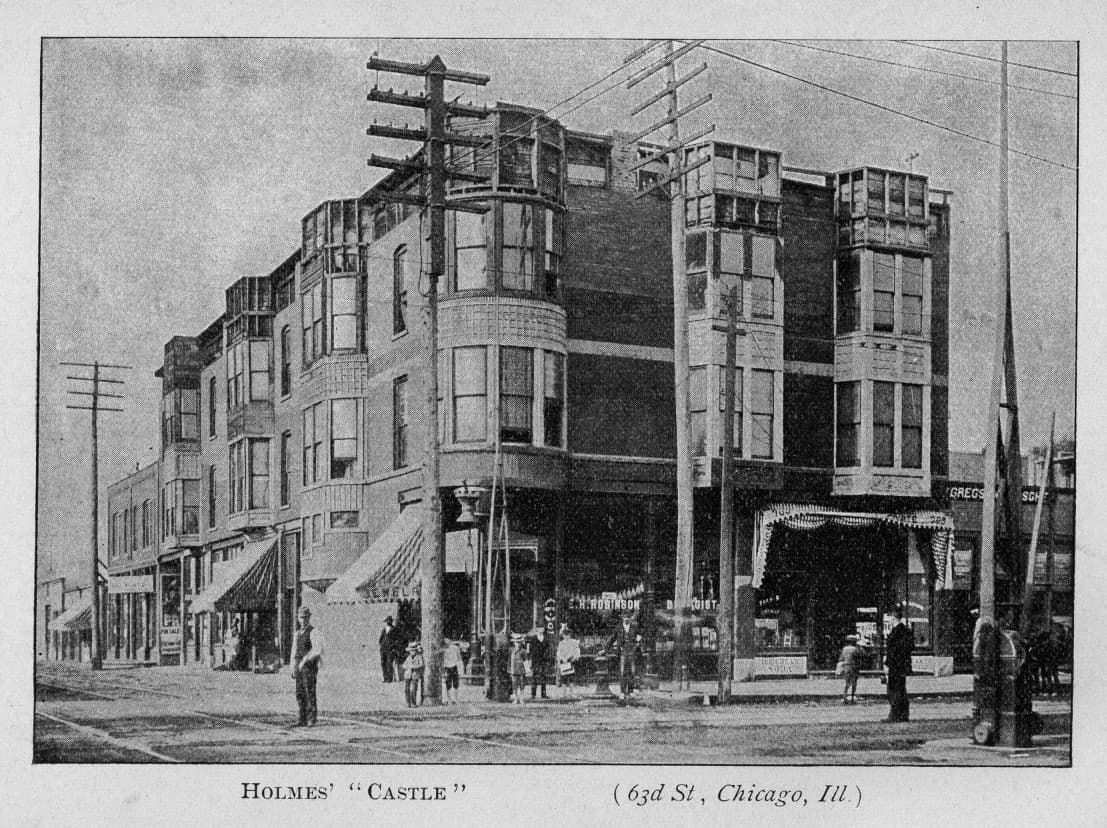
The "Castle" where serial killer HH Holmes lured and murdered his many victims.
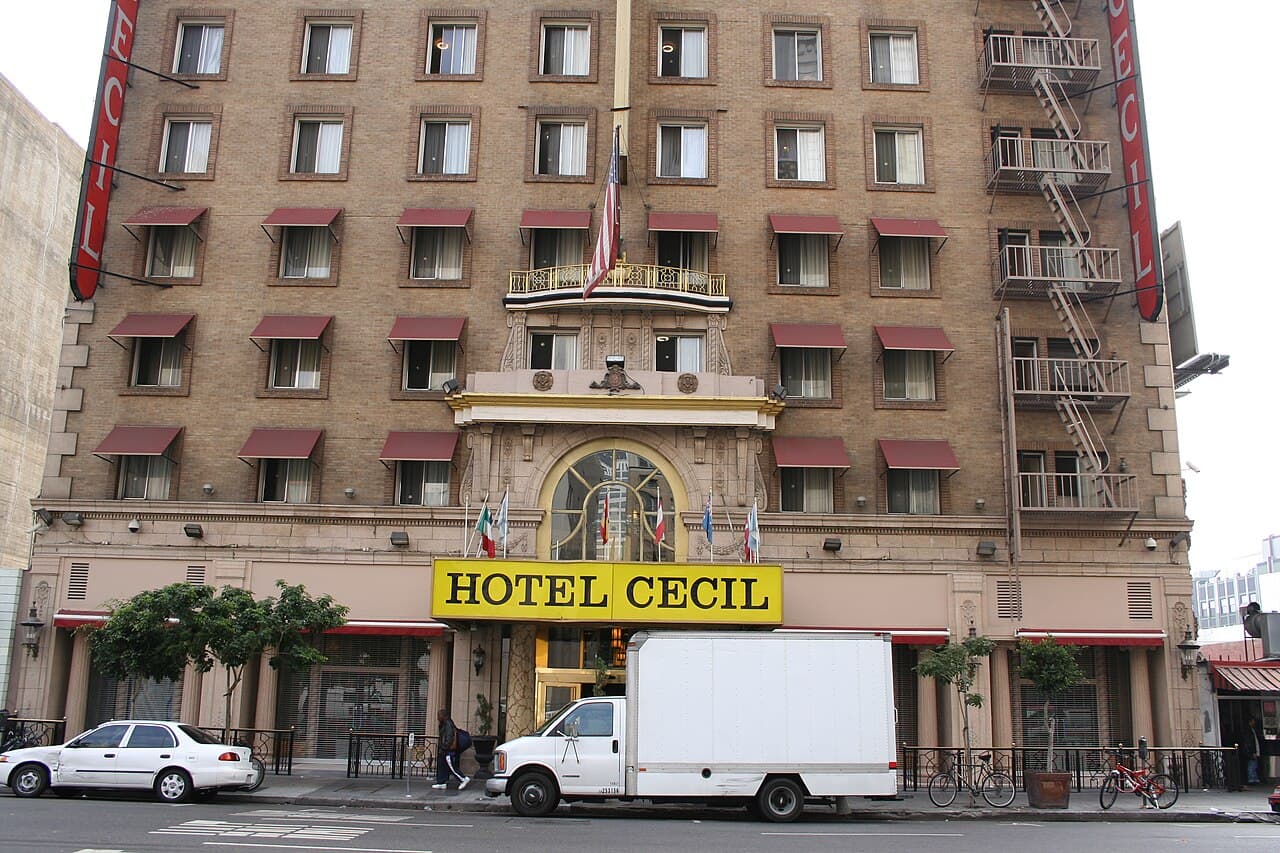
The infamous & seedy Los Angeles hotel where Night Stalker Richard Ramirez once lived.
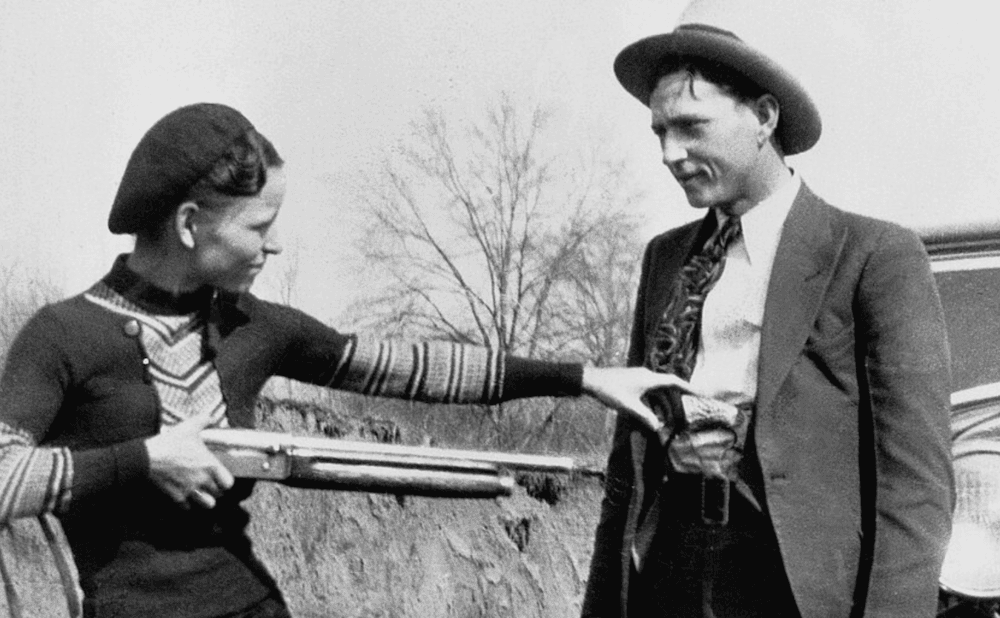
Infamous outlaw couple Bonnie Parker and Clyde Barrow were ambushed and killed by lawmen on a rural Louisiana road in 1934.
A Quick Note From Our Founder
Morbid Tourism is independently researched and maintained by one person. Every location is fact-checked, verified, and mapped so you can find exactly what you're looking for. If this page helped you, a coffee keeps the research going.