2020 Lamar Dr., Pasadena, TX 77502
This page contains affiliate links. We may earn a small commission at no extra cost to you.
Author: Jewls Krueger
For roughly the last five months of his life, Dean Corll lived in a small one story bungalow on Lamar Drive in west Pasadena, Texas. The house had belonged to his father, who had occupied it for more than twenty years before moving out in the spring of 1973. It was here, on the morning of August 8, 1973, that one of Corll's teenage accomplices shot him to death, an act that finally exposed what became known as the Houston Mass Murders.
At the time, the case was considered the worst example of serial murder in United States history. Corll, aided by two teenagers, had abducted, abused, and killed at least 28 boys and young men across the Houston area between 1970 and 1973, and investigators have long suspected the true number is higher.
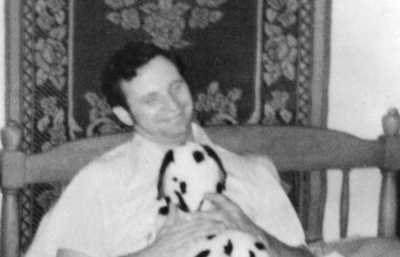
Dean Arnold Corll was born in Fort Wayne, Indiana, on December 24, 1939, and moved to the Houston area as a child. His family ran the Corll Candy Company in Houston Heights, and Corll was known to hand out free candy to neighborhood children and teenagers. That habit earned him the nicknames the "Candy Man" and the "Pied Piper." By the early 1970s he was working as an electrician for the Houston Lighting and Power Company, a job he held until his death.
Corll moved frequently during the years he was killing, usually staying in or near Houston Heights. The Pasadena house was his final address. He briefly shared it with his father, stepmother, and half brother before they vacated the property.
Corll did not act alone. He recruited two teenagers, David Owen Brooks and Elmer Wayne Henley, and paid them to lure other boys to him. Brooks met Corll as a child receiving free candy and later became involved in the killings. Henley, a friend of one of the early victims, was brought in around 1971 and became an active participant in abductions and murders. Both would later give detailed confessions.
Corll's victims were typically offered a party or a ride, then driven to whichever address he was living in at the time. Once inside, they were restrained, often handcuffed to a bed or to a plywood board, and held before being killed by strangulation or shooting with a .22 caliber pistol. The bodies were buried in four locations: a rented boat shed in southwest Houston, a wooded area near Lake Sam Rayburn, and two Texas beaches.
The killing slowed in early 1973, then resumed in June after Corll settled into the Pasadena house. Several victims were killed inside the home during those final months, and both accomplices later testified that the level of brutality increased during this period. Corll's last known victim, a 13 year old boy, was killed at the house in early August 1973.
On the night of August 7, Henley brought a young woman and another teenager to the house, which enraged Corll. According to Henley's account, Corll bound all three and threatened to kill them. Henley managed to get hold of Corll's pistol and shot him. He then called the Pasadena Police Department early on August 8 and told them he had killed a man.
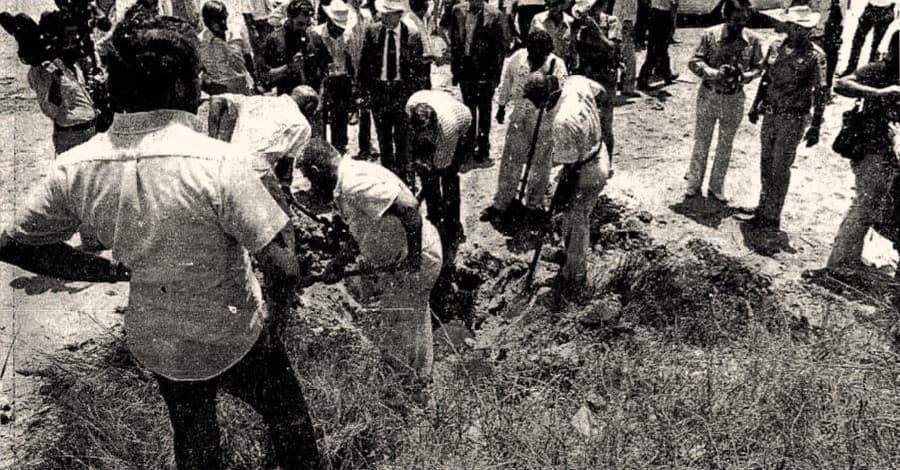
What officers first treated as an ordinary homicide quickly became something far larger. Henley told police that Corll had been raping and murdering teenage boys for years, and that he and Brooks had helped procure them. Henley led investigators to the boat shed and other burial sites, and Brooks soon gave his own statement. Within days, the remains of 27 victims had been recovered, surpassing the record set by another mass murder case earlier in the decade.
Book Recommendation
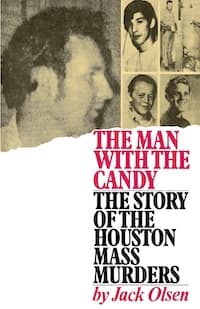
The Man with the Candy by Jack Olsen is still the definitive book on the Dean Corll case. Written just before the trials, it reports from the Houston Heights neighborhood the victims came from and sharply indicts the police who wrote the missing boys off as runaways.
Buy on Amazon →By purchasing through this link, we may earn a small commission at no extra cost to you. Thank you for supporting our work!
Corll was never prosecuted, since he was already dead. His accomplices were tried separately. Henley was convicted in 1974 of six murders and sentenced to six 99 year terms. An appeal won him a retrial in 1979, where he was again convicted and given six life sentences. He remains incarcerated in Texas and was most recently denied parole on November 7, 2025, with his next review set for 2035.
Brooks was convicted in 1975 of one murder and sentenced to life in prison. He died in a Galveston hospital on May 28, 2020, at the age of 65, from complications related to COVID-19.
The house on Lamar Drive stood for about fifty years after the murders, becoming one of the most notorious addresses in the Houston area. In August 2021, a search team dug in the backyard looking for additional remains, but found nothing. The property was sold in 2022, and later that year the Pasadena Economic Development Corporation purchased it.
In February 2023, demolition crews leveled the bungalow. The city has said the lot will become part of the Little Vince Bayou Greenway Project, with plans for it to serve as an entrance to a local trail network. Several neighbors told reporters they were relieved to see the house gone.
Today the site is a cleared lot in a quiet residential neighborhood of west Pasadena, near an elementary school and a church. There is nothing left to see of the original structure. If you visit, please stay on public streets and sidewalks, respect the surrounding homes and their residents, and do not disturb the neighbors, many of whom lived through this history and its long aftermath.
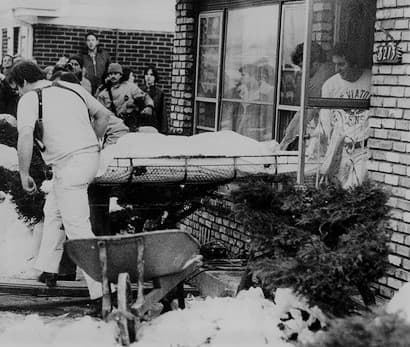
Serial killer John Wayne Gacy buried most of his victims under the floorboards of his suburban home.
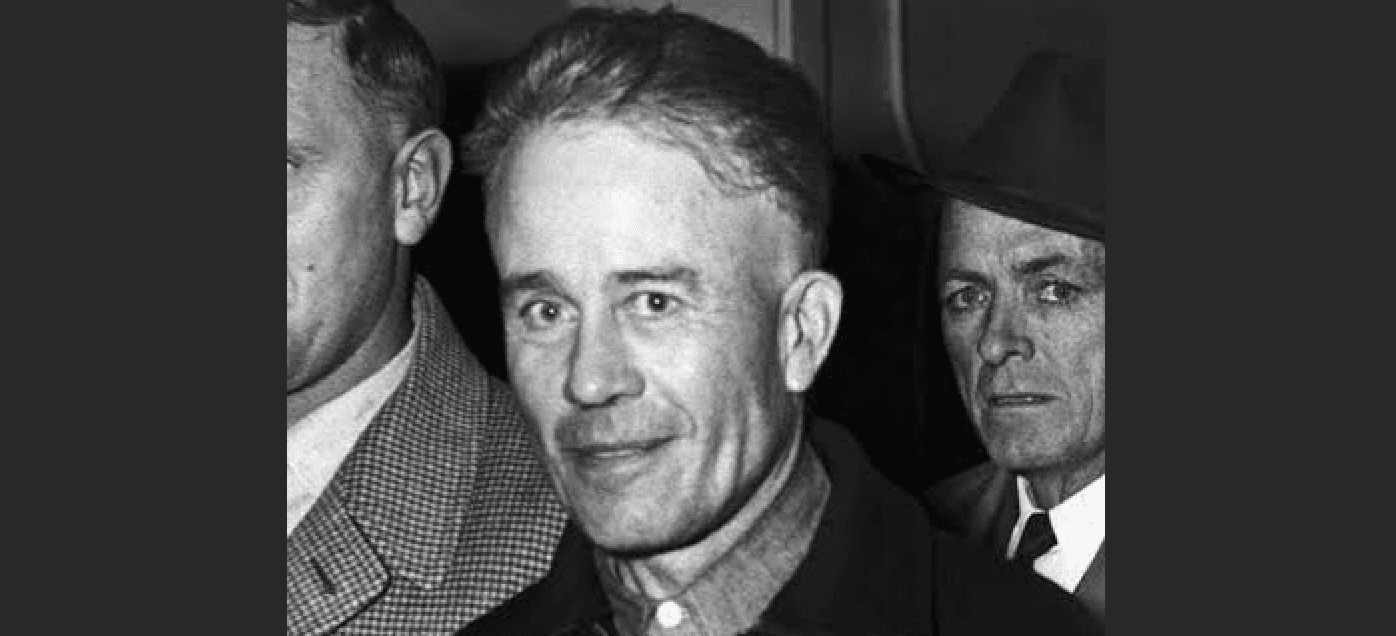
Serial killer Ed Gein's house was filled with items made from human body parts.
The apartment where serial killer Son of Sam lived while he went on a murderous rampage.
A Quick Note From Our Founder
Morbid Tourism is independently researched and maintained by one person. Every location is fact-checked, verified, and mapped so you can find exactly what you're looking for. If this page helped you, a coffee keeps the research going.