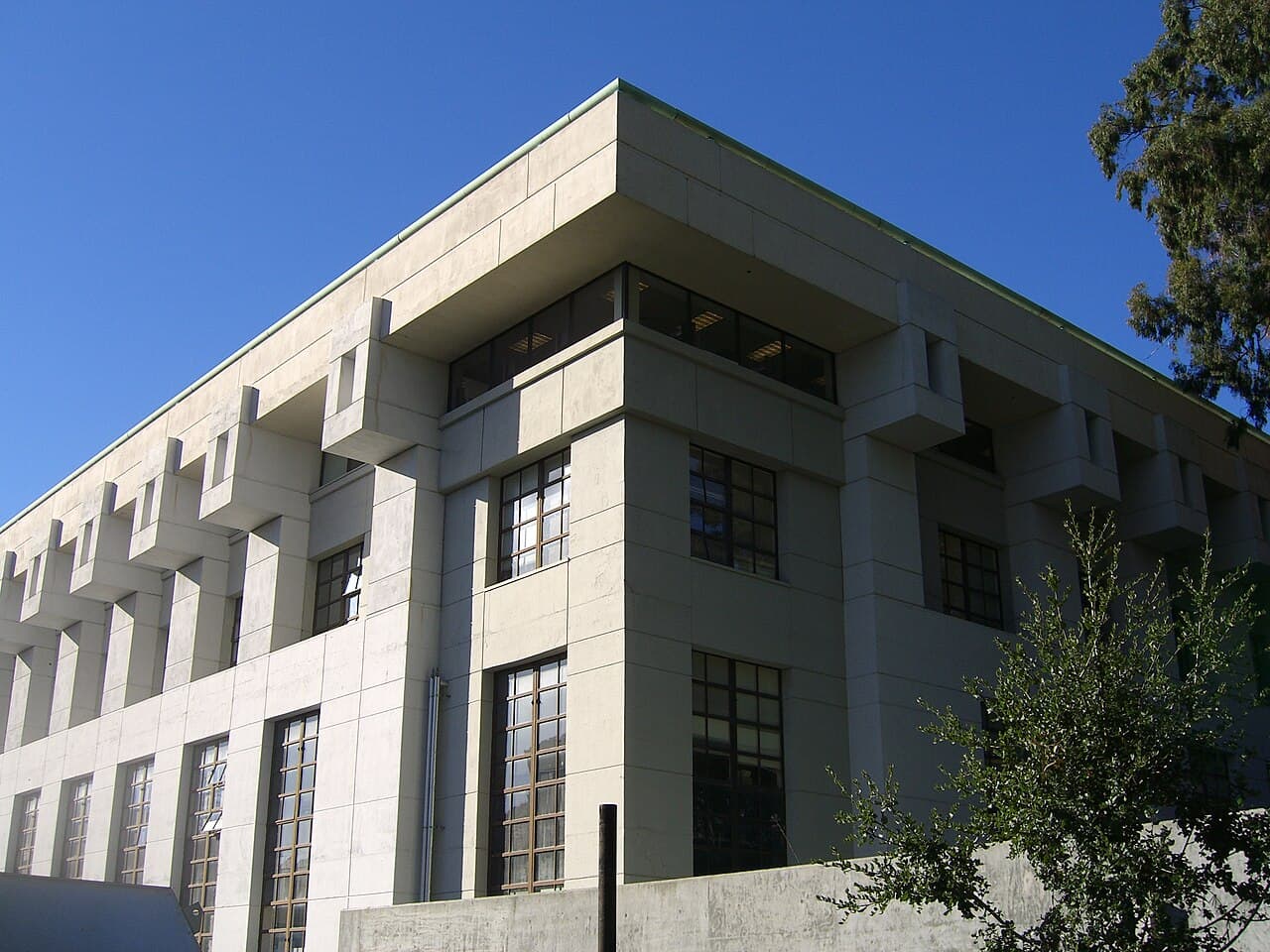
Cory Hall at UC Berkeley, Berkeley, CA 94720
ADVERTISEMENT
This page contains affiliate links. We may earn a small commission at no extra cost to you.
Author: Jewls Krueger
Between July 2, 1982 and May 15, 1985, Cory Hall on the University of California, Berkeley campus was the target of two of Ted Kaczynski's homemade package bombs during his 17 year bombing campaign as "The Unabomber." Both bombs were left in ground floor common areas of the electrical engineering and computer sciences building. The first was picked up by veteran engineering professor Diogenes Angelakos. The second was opened by 26 year old graduate student John Hauser. Both men survived, but were left with permanent physical injuries.
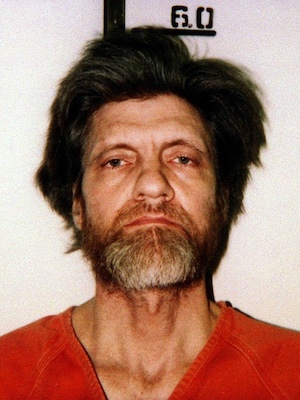
Theodore John "Ted" Kaczynski was a Harvard educated mathematician who taught at UC Berkeley from mid 1967 until his sudden resignation on June 30, 1969. He had been hired at Berkeley at age 25, making him the youngest assistant professor in the mathematics department. He gave no reason for his resignation, and quickly disappeared from view. By the early 1970s, Kaczynski had moved to a small, hand built 10 by 14 foot cabin near Lincoln, Montana, without electricity or running water, where he would live for the next 25 years.
Between May 25, 1978 and April 24, 1995, Kaczynski mailed or planted 16 explosive devices, which killed 3 people and injured 23 others. The FBI's Unabomber Task Force ("Unabomb" being an acronym for the initial University and Airline targets) became one of the longest and most expensive investigations in the bureau's history. Kaczynski, who was highly educated and highly technical, was widely regarded as one of the most difficult perpetrators to catch in modern American history.
ADVERTISEMENT
On the morning of July 2, 1982, Engineering Professor Diogenes Angelakos, the longtime director of Berkeley's Electronics Research Laboratory, walked into a Cory Hall faculty lounge used by mathematics and computer science staff. There he found a strange looking metal container fitted with an exposed gauge and a wooden handle that looked like it had been sawed off from a hand saw. When Angelakos picked up the object to move it, a pipe bomb inside detonated. Angelakos, then 62 years old, was injured in the face, right hand, and arm. Investigators would later determine the device had contained a secondary gasoline compartment intended to ignite a fireball; the gasoline never caught. Angelakos survived and eventually recovered nearly completely, though he was left with permanent powder burns and had to relearn how to write.
Book Recommendation
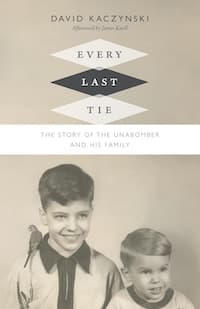
David Kaczynski's "Every Last Tie" is a quietly devastating memoir about the agonizing decision to turn his own brother Ted into the FBI, told from the only perspective that no documentary could ever replicate.
Buy on Amazon →By purchasing through this link, we may earn a small commission at no extra cost to you. Thank you for supporting our work!
Almost three years later, on May 15, 1985, 26 year old Berkeley Air Force Captain and mathematics graduate student John E. Hauser walked into a Cory Hall computer lab and noticed a black three ring binder that had been left near one of the terminals. When he lifted the cover, a pipe bomb hidden inside detonated. The blast destroyed four fingers on Hauser's right hand, tore through his medial nerve, and caused him partial vision loss in his left eye. Diogenes Angelakos, who happened to be nearby, was among the first to reach Hauser, and he fashioned a tourniquet from his own necktie while another colleague called 911. Hauser survived but the injuries permanently ended his dream of becoming an astronaut. He would later become a mathematics professor at the University of Colorado at Colorado Springs.
Cory Hall is the only location to be hit twice by the Unabomber. The FBI identified both bombs as being sent by Ted Kaczynski, the Unabomber who had been terrorizing the US since 1978. After the Cory Hall bombings, Kaczynski would go on to plant, mail, or place 8 more bombs, killing 3 people. After his arrest in 1996, it was discovered that Kaczynski had worked at UC Berkeley for 2 years and was the university's youngest assistant professor before resigning suddenly in 1969.
On September 19, 1995, The Washington Post and The New York Times jointly published a 35,000 word manifesto by the Unabomber titled "Industrial Society and Its Future." Kaczynski's brother David and his sister in law Linda Patrik recognized the writing style and philosophical themes as consistent with Ted's earlier letters, and David quietly reached out to the FBI through an intermediary. Their tip led investigators to Kaczynski's cabin outside of Lincoln, Montana, where he was arrested by FBI agents on April 3, 1996. A search of the cabin recovered a fully assembled and ready to mail package bomb, roughly 40,000 pages of handwritten journals, drafts of the manifesto, and detailed diagrams of the bombs.
Ted Kaczynski pleaded guilty on January 22, 1998 to the Unabomber bombings and was sentenced to eight consecutive life sentences without the possibility of parole. He spent most of his sentence at the U.S. Federal Supermax facility ADX Florence in Colorado before being transferred to a federal medical facility in Butner, North Carolina in 2021 for treatment of late stage cancer. On June 10, 2023, Kaczynski was found unresponsive in his cell at the Federal Medical Center in Butner. He was 81 years old. His death was later ruled a suicide.
ADVERTISEMENT
Cory Hall is located in the northeast corner of the UC Berkeley campus on Hearst Avenue. The building still serves as the primary home of the University's Department of Electrical Engineering and Computer Sciences and remains an active academic and research facility. There is no permanent memorial or plaque commemorating the bombings at either of the two attack sites.
Cory Hall is on an active university campus. Please be respectful of students, faculty, and staff during your visit, follow all posted signage, and remember that many of those who work in the building continue to work in fields Kaczynski targeted during his 17 year bombing campaign.
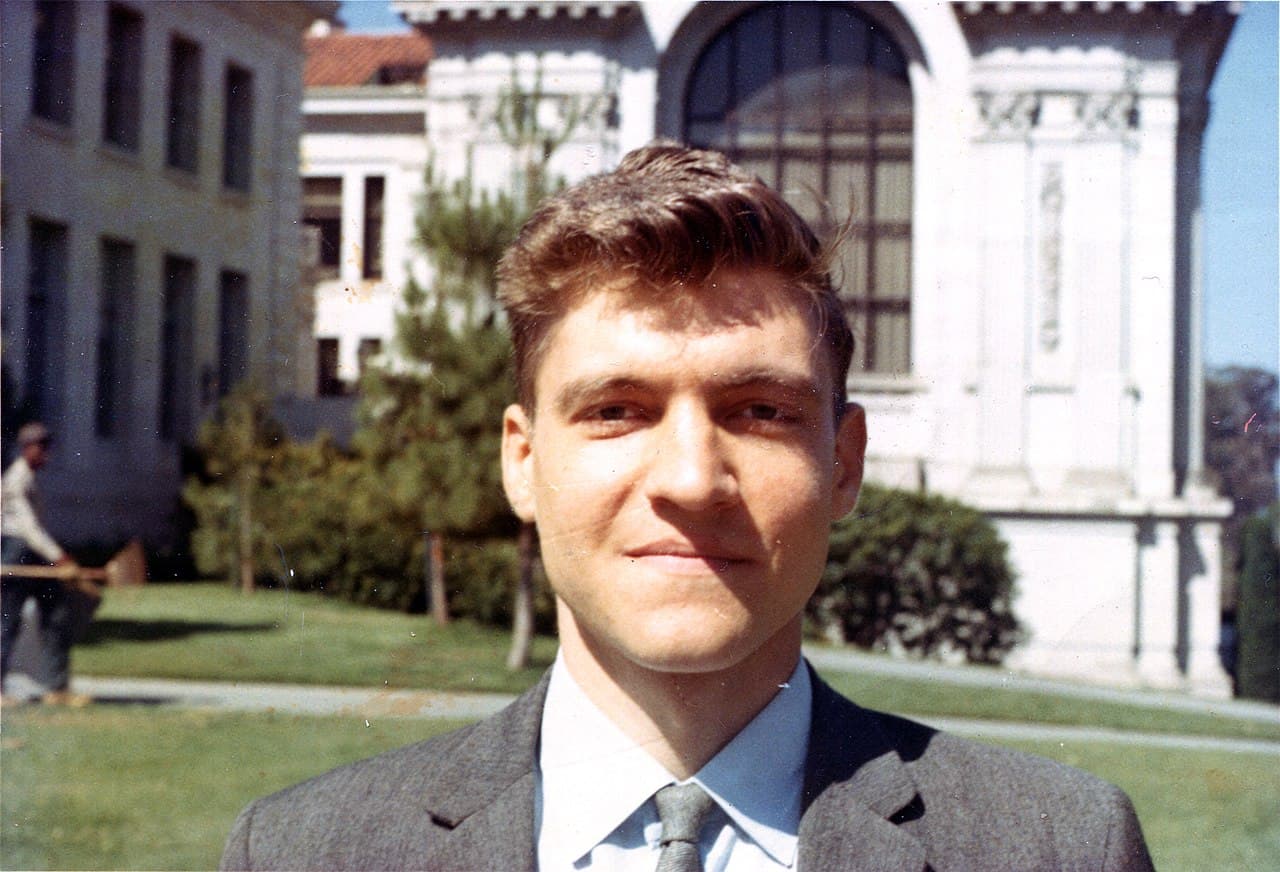
The small house where Unibomber Ted Kaczynski lived during his stint at UC Berkeley.
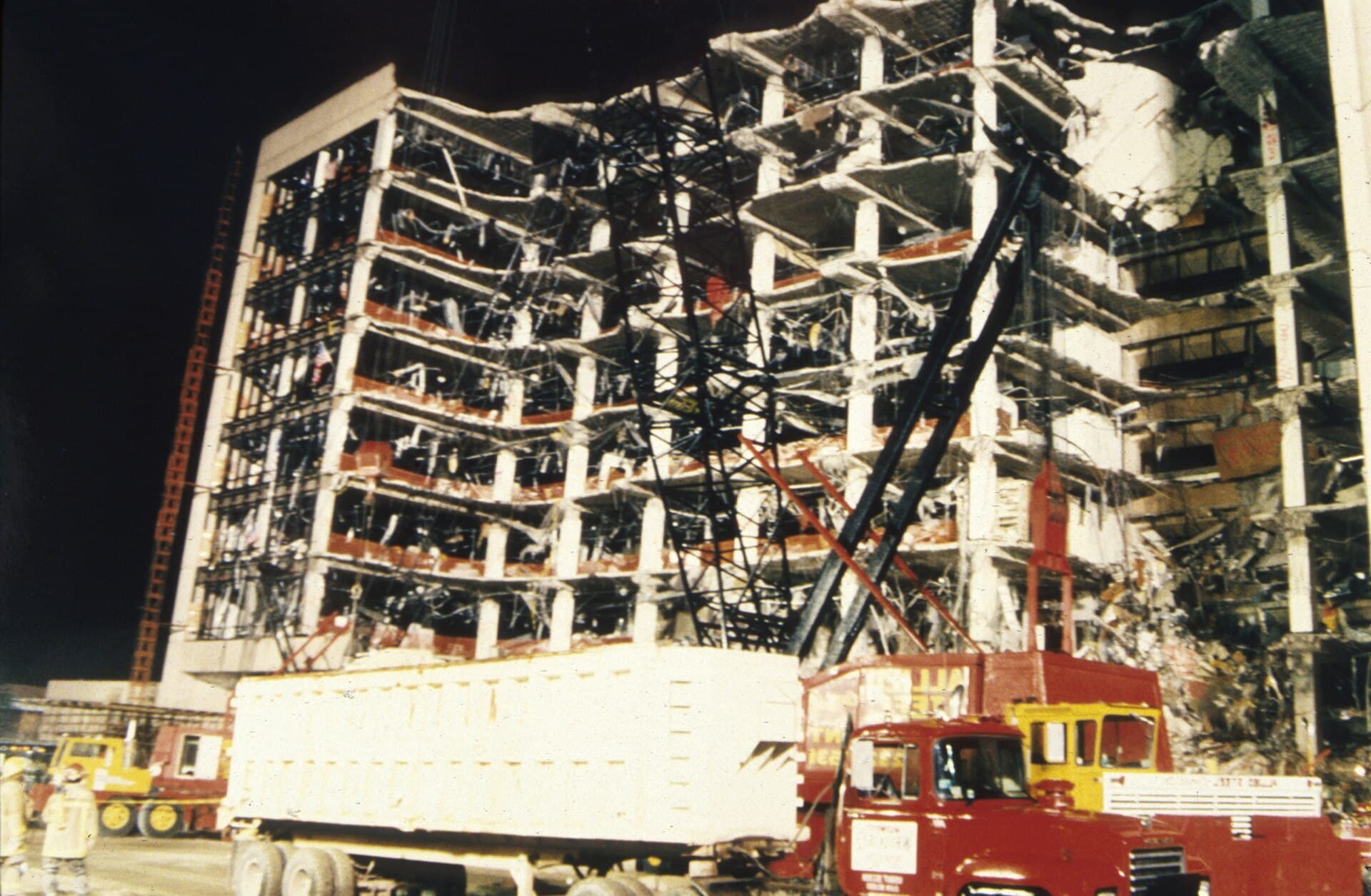
The location of the deadliest domestic terror attack to ever happen on US soil.
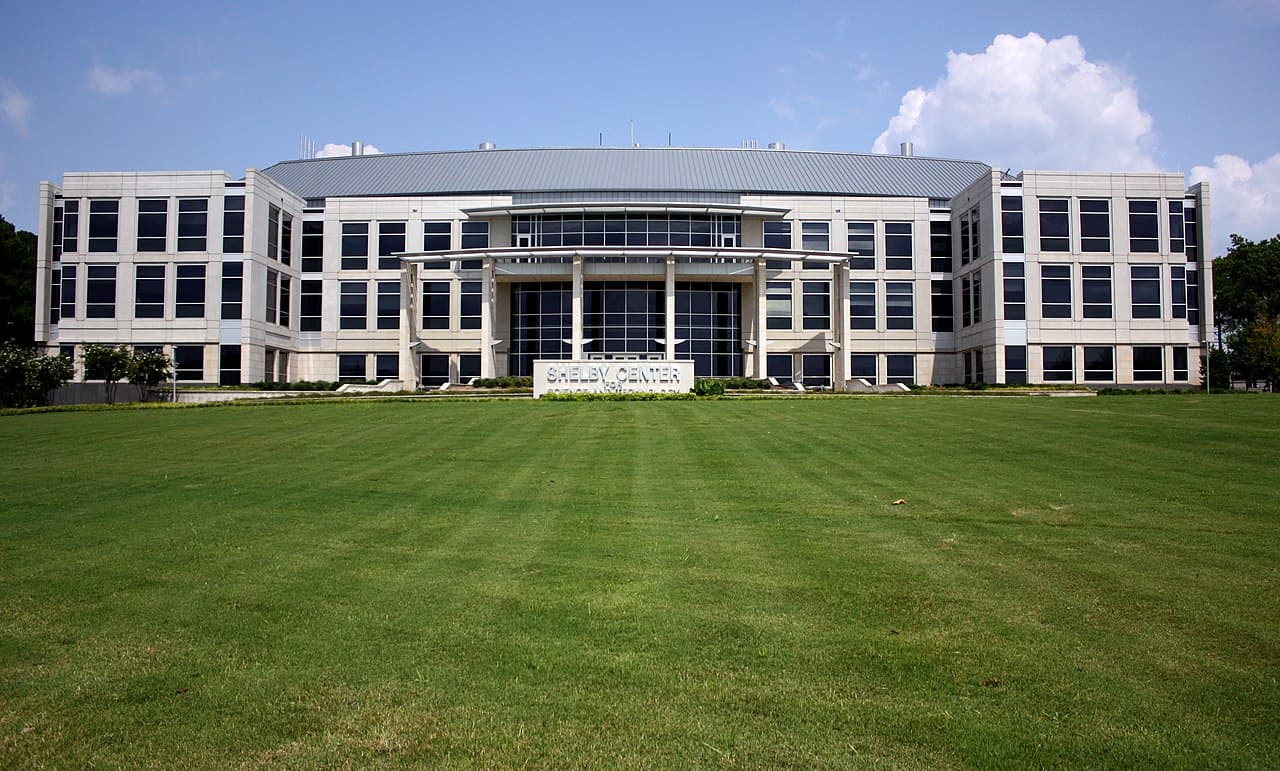
A disgruntled female professor shot 6 of her associates at this Alabama college campus.
A Quick Note From Our Founder
Morbid Tourism is independently researched and maintained by one person. Every location is fact-checked, verified, and mapped so you can find exactly what you're looking for. If this page helped you, a coffee keeps the research going.