120 N. Sweetzer Avenue Apt. 4, West Hollywood, CA 90048
ADVERTISEMENT
This page contains affiliate links. We may earn a small commission at no extra cost to you.
Author: Jewls Krueger
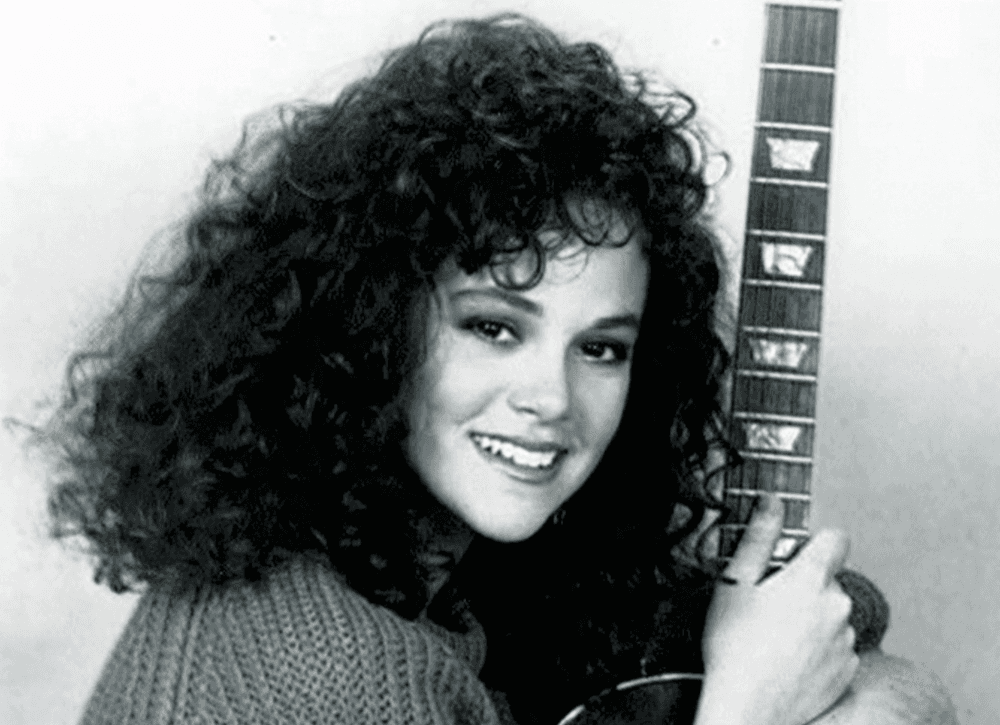
On the morning of July 18, 1989, 21-year-old actress Rebecca Schaeffer was shot and killed in the doorway of her West Hollywood apartment building. Her killer was Robert John Bardo, a 19-year-old fan from Tucson, Arizona, who had been fixated on her for roughly three years and had paid a private investigator to find out where she lived. Schaeffer's death drew national attention to the danger of celebrity stalking and helped push forward two major legal reforms: California's first anti-stalking law and a federal law restricting the release of personal information held by state motor vehicle departments.
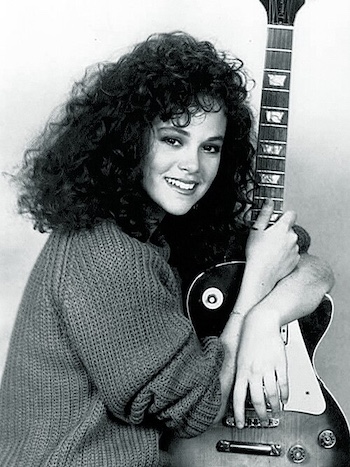
Rebecca Schaeffer was born on November 6, 1967, in Eugene, Oregon, and raised in Portland. She began as a teen model before turning to acting, appearing on the soap operas Guiding Light and One Life to Live and in a small role in Woody Allen's Radio Days.
In 1986, she landed the role that made her known: Patricia "Patti" Russell on the CBS sitcom My Sister Sam. On the show, Patti moves from Oregon to San Francisco to live with her older sister Samantha, played by Pam Dawber, after the death of their parents. My Sister Sam was initially a hit but was canceled in 1988. Schaeffer went on to supporting roles in several films, including the black comedy Scenes from the Class Struggle in Beverly Hills. At the time of her death, she was preparing to audition for director Francis Ford Coppola for the role of Mary Corleone in The Godfather Part III.
Robert John Bardo was a 19-year-old high school dropout from Tucson who had worked as a janitor and at a Jack in the Box. Before he became obsessed with Schaeffer, he had fixated on child peace activist Samantha Smith, who died in a plane crash in 1985 at the age of 13. Bardo then turned his attention to Schaeffer after seeing her on My Sister Sam, writing her numerous letters, one of which she answered.
In 1987, Bardo traveled to the Warner Bros. lot in Burbank where the show was produced, hoping to meet her. Security turned him away. He returned about a month later carrying a knife and was again refused entry.
In 1989, Bardo watched Schaeffer in Scenes from the Class Struggle in Beverly Hills, in which she appeared in bed with another actor. He became enraged, deciding she should be punished for what he called becoming "another Hollywood whore." Having read about a fan who used a private investigator years earlier to track down actress Theresa Saldana, Bardo paid a Tucson detective agency $250 to obtain Schaeffer's home address from California DMV records. Because he was too young to buy a gun himself, his older brother purchased a Ruger GP100 .357 revolver for him.
On July 18, 1989, Bardo took an overnight bus from Tucson and arrived in Los Angeles early that morning, then walked the neighborhood asking whether Schaeffer lived there. He carried a copy of J.D. Salinger's The Catcher in the Rye, the same novel Mark David Chapman had with him the night he shot John Lennon.
That morning, Schaeffer was expecting a courier to deliver a script for her Godfather Part III audition, so she answered when the bell rang. Bardo showed her a letter and autograph she had once sent him. After a short conversation, she asked him not to come to her home again.
Bardo left and had breakfast at Jan's, a nearby restaurant on Beverly Boulevard, then returned about an hour later. According to his later account, Schaeffer answered the door this time with "a cold look on her face." Bardo drew the revolver and shot her once in the chest at close range. Neighbors rushed to help. Schaeffer was taken to Cedars-Sinai Medical Center, where she was pronounced dead about 30 minutes after arriving. She was 21.
ADVERTISEMENT
The next day, Bardo was arrested in Tucson after motorists reported a man running through traffic on Interstate 10. He confessed to the killing almost immediately.
The case was prosecuted by Marcia Clark, who would later become widely known as a lead prosecutor in the O.J. Simpson murder trial. Bardo's defense argued he was too mentally ill to have planned the crime. In a bench trial, the judge rejected that argument and convicted him of first-degree murder on October 29, 1991. He was sentenced to life in prison without the possibility of parole and remains incarcerated in California.
Schaeffer's murder became a turning point in how the law treats stalking and personal privacy. In 1990, California enacted Penal Code 646.9, the first anti-stalking law in the United States. Because Bardo had obtained Schaeffer's address through DMV records, her death also helped lead to the federal Driver's Privacy Protection Act, passed by Congress in 1994, which restricted the release of personal information held by state motor vehicle agencies.
The apartment building where Rebecca Schaeffer was killed still stands in West Hollywood, a few blocks below Beverly Boulevard. There are no gates or barriers blocking the entrance, but the building remains private and is home to residents today.
Jan's, the restaurant where Bardo ate breakfast between his two visits, has since closed, though the building on Beverly Boulevard still stands.
If you visit, please stay on the public sidewalk, do not enter the property, and do not disturb the people who live there or the neighbors. This is an active residential building, and the people who live in it are not connected to the crime.
.jpg&w=3840&q=75)
Legendary director Rob Reiner and his wife Michele were allegedly stabbed to death in their Brentwood home by their son Nick in 2025.
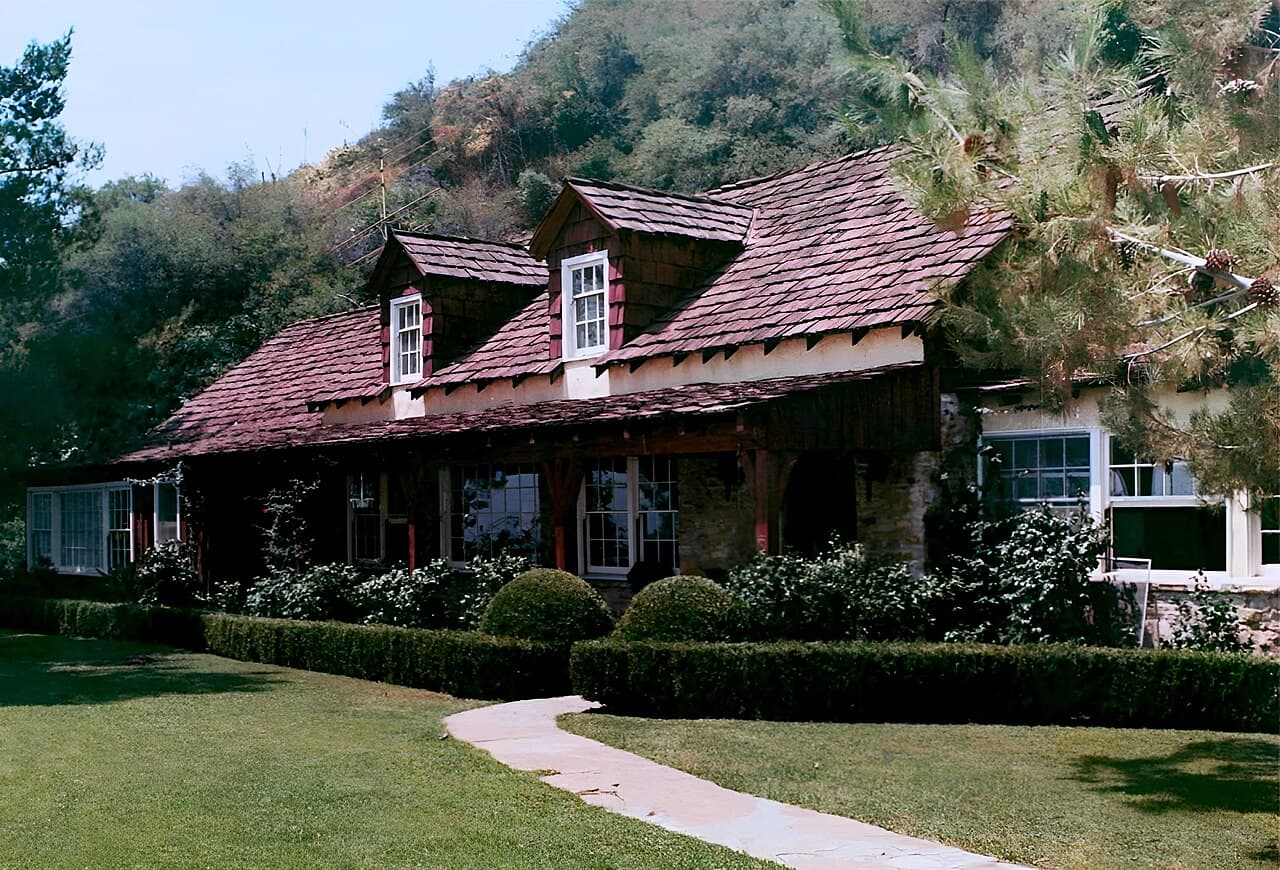
The house where the Manson Family killed 6 people, including Sharon Tate.
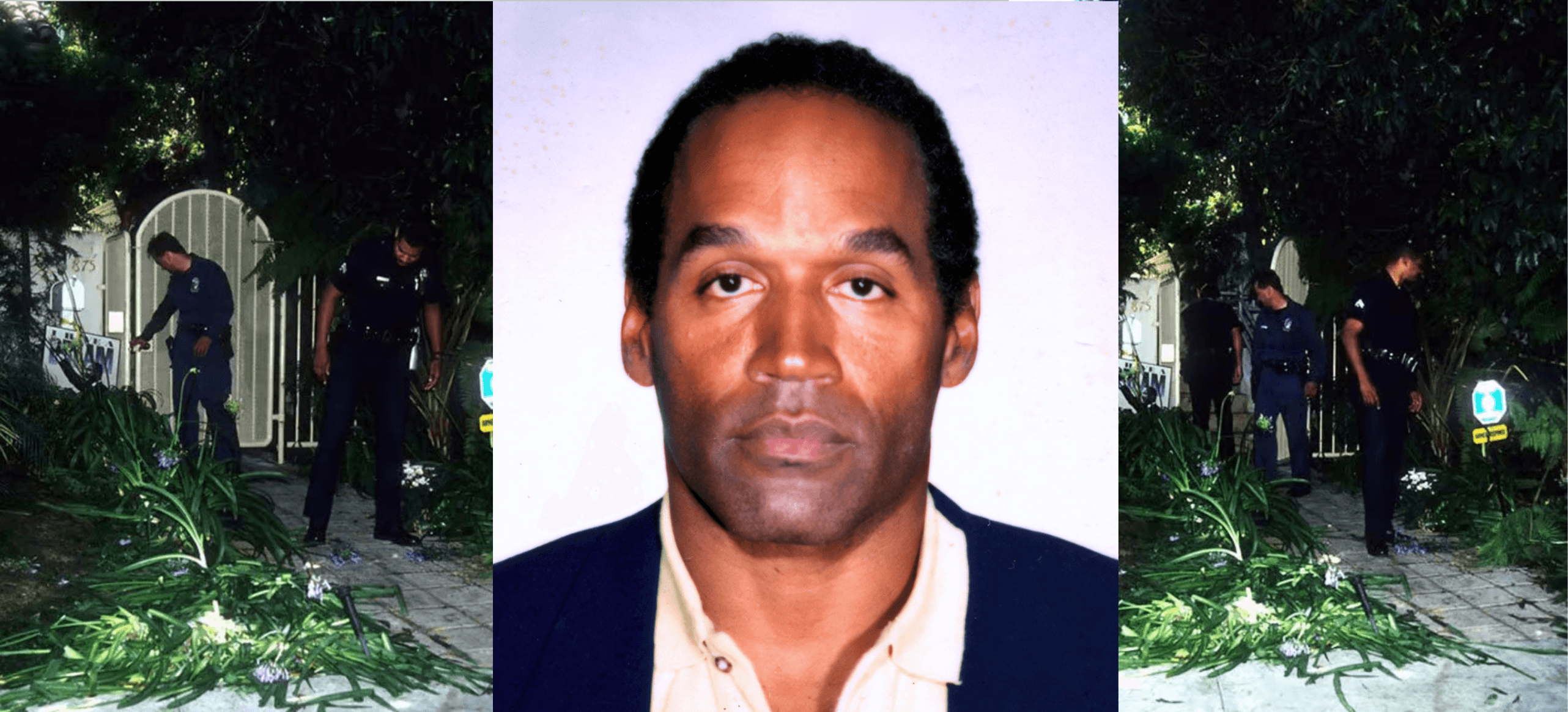
The Los Angeles house where OJ Simpson allegedly killed his ex-wife Nicole Brown and her friend Ron Goldman.
A Quick Note From Our Founder
Morbid Tourism is independently researched and maintained by one person. Every location is fact-checked, verified, and mapped so you can find exactly what you're looking for. If this page helped you, a coffee keeps the research going.