7747 US-61, St. Francisville, LA 70775
This page contains affiliate links. We may earn a small commission at no extra cost to you.
Author: Jewls Krueger
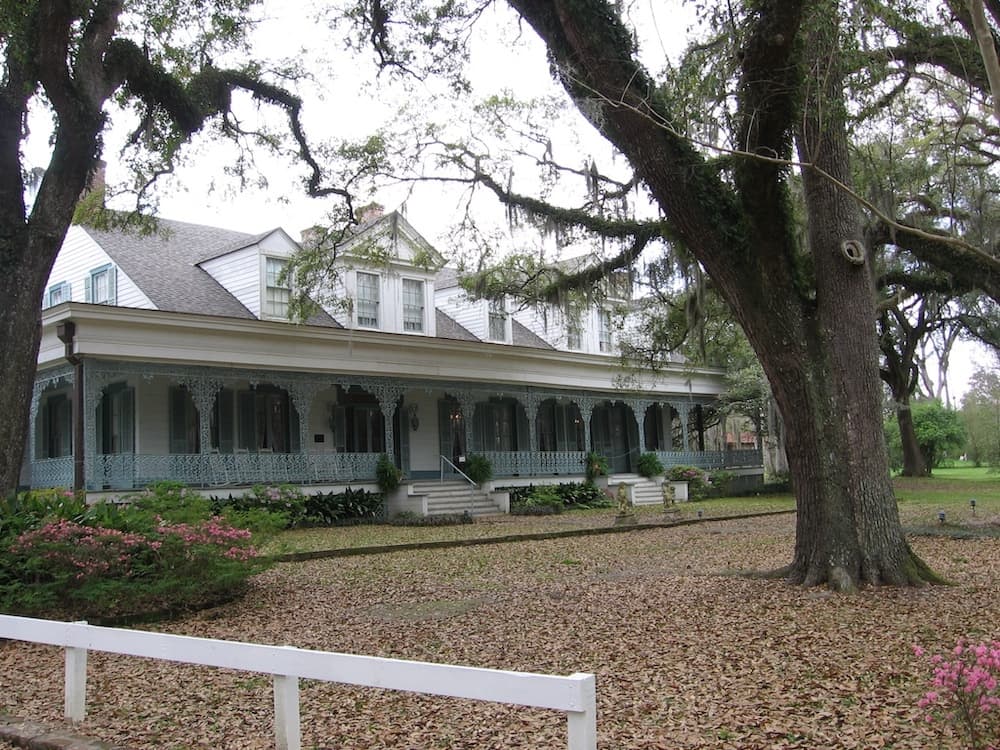
The Myrtles Plantation is an antebellum home in St. Francisville, Louisiana, marketed for generations as one of the most haunted houses in America. Built in 1796, it draws visitors with stories of poisonings, hangings, and as many as ten murders on the grounds. Historical records support only one of those killings, the 1871 shooting of William Drew Winter on the home's front gallery. The rest belong to a body of legend that historians have repeatedly challenged. The house still stands as a bed and breakfast, which keeps its stories in steady circulation.
General David Bradford built the house in 1796 on land that was then part of Spanish West Florida, and he called it Laurel Grove. Bradford had fled Pennsylvania after taking part in the Whiskey Rebellion, and he lived on the property alone until President John Adams pardoned him in 1799. After his death in 1808, his widow Elizabeth ran the plantation, then handed management to Clarke Woodruff, a former law student who had married the Bradfords' daughter, Sara Mathilda. Sara Mathilda and two of the couple's three children died of yellow fever in 1823 and 1824.
In 1834, Woodruff sold the property to Ruffin Gray Stirling. Stirling and his wife, Mary Catherine Cobb, nearly doubled the size of the house and renamed it The Myrtles after the crape myrtle trees on the grounds. Stirling died in 1854 and left the plantation to his wife.
In 1865, Mary Cobb Stirling hired William Drew Winter, her son-in-law and a lawyer, to manage the plantation. Winter was married to her daughter Sarah, and the couple had six children. One of them, Kate, died of typhoid at the age of three.
On the evening of January 26, 1871, Winter was inside the house when a man rode up on horseback and called him to the door. Contemporary newspaper accounts reported that Winter stepped onto the gallery and was shot with a double-barreled gun, dying almost immediately. The New Orleans Times-Picayune reported days later that the load struck him in the chest and neck and that he was killed on the spot. The gunman rode off and was never identified. Wikipedia notes the shooter may have been a man named E.S. Webber, but the murder was officially never solved.
A popular version of the story holds that Winter staggered inside and climbed the staircase, dying on the seventeenth step. Newspaper reports from 1871 do not support that account, and researchers have noted that he collapsed and died on the porch itself. Winter was buried the next day at Grace Episcopal Church cemetery in St. Francisville.
The plantation's most repeated legend involves an enslaved woman usually called Chloe, said to have poisoned members of the Woodruff family with an oleander cake and then been hanged. Historians have found no record of anyone named Chloe in the Woodruff property documents, and the family deaths attributed to her were caused by yellow fever. Scholar Tiya Miles examined the plantation's ghost tours in her 2015 book and argued that its central stories lean on stereotypes of Black women rather than on documented history.
The claim that as many as ten people were murdered at the Myrtles is similarly unsupported. Apart from Winter, the deaths connected to the property trace to disease, especially the yellow fever and typhoid that were common in 19th century Louisiana. The haunted reputation grew in the mid 20th century, spread through books and television, and was reinforced when former owner Frances Kermeen published a memoir calling it the most haunted house in America.
Book Recommendation
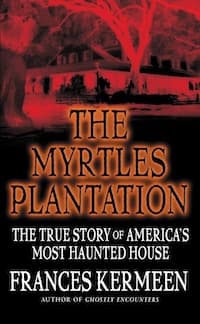
In The Myrtles Plantation: The True Story of America's Most Haunted House, former owner Frances Kermeen recounts the decade she lived in the house and the hauntings she says she experienced there. It is the memoir that cemented the plantation's reputation as America's most haunted home.
Buy on Amazon →By purchasing through this link, we may earn a small commission at no extra cost to you. Thank you for supporting our work!
The Myrtles operates as a bed and breakfast and event venue on U.S. Highway 61 just north of St. Francisville, in West Feliciana Parish. It offers daytime historical tours, evening mystery tours, overnight rooms named for former residents, and a restaurant on the grounds. The house was listed on the National Register of Historic Places in 1978, and the current owners have run it for tours and guests since the late 1990s.
Visitors should remember that the Myrtles is both a working inn and a former site of slavery. Tours and stays are open to the public, so there is no need to trespass or disturb staff and guests outside of scheduled hours. Anyone visiting is encouraged to approach the property's full history, including the lives of the enslaved people who worked and died there, with the same interest given to its ghost stories.
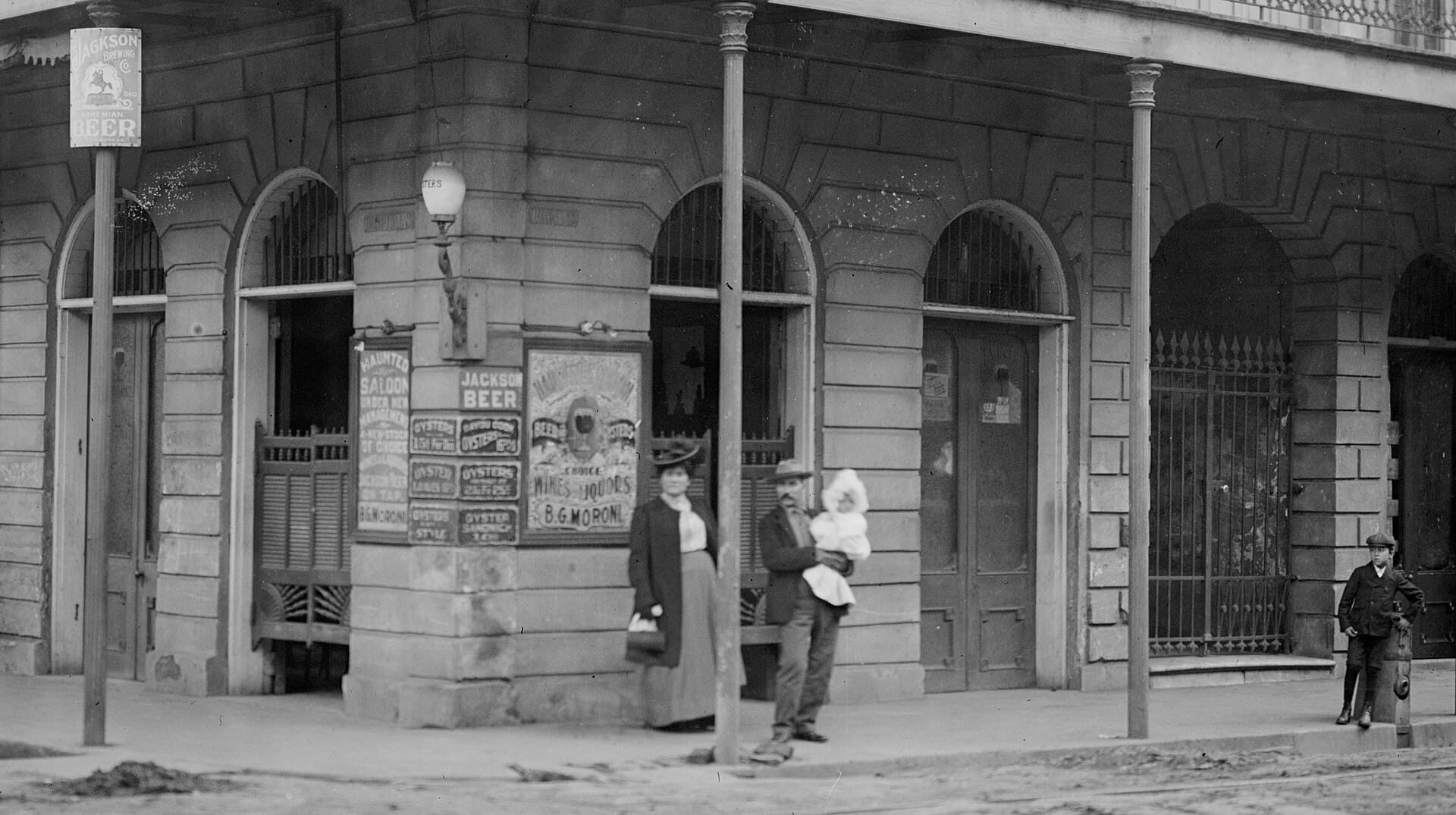
The historic New Orleans Mansion with a dark past that inspired a season of American Horror Story
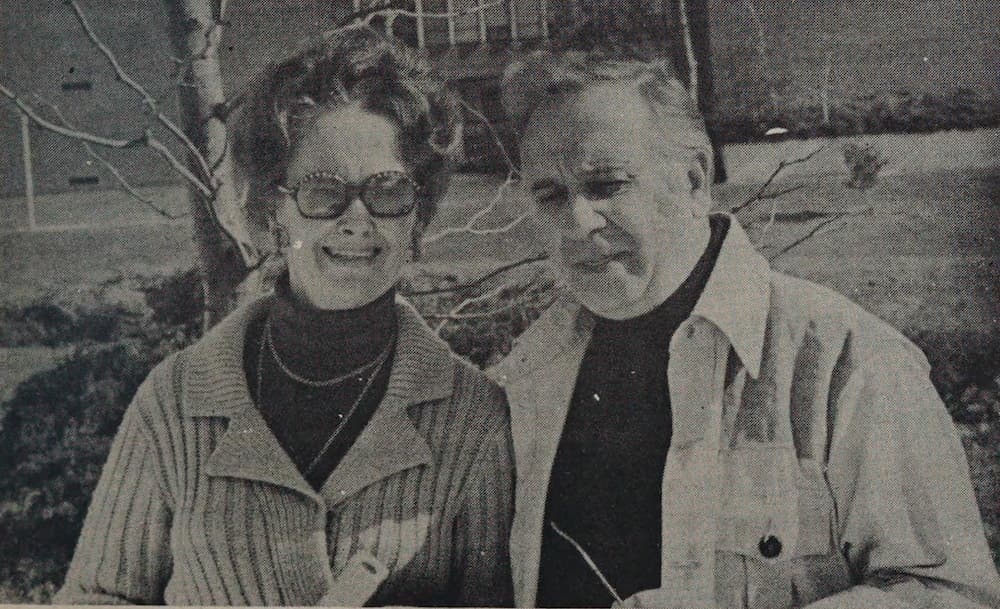
The 1736 Rhode Island farmhouse where the Perron family reported a decade of hauntings, later dramatized in the 2013 film The Conjuring.
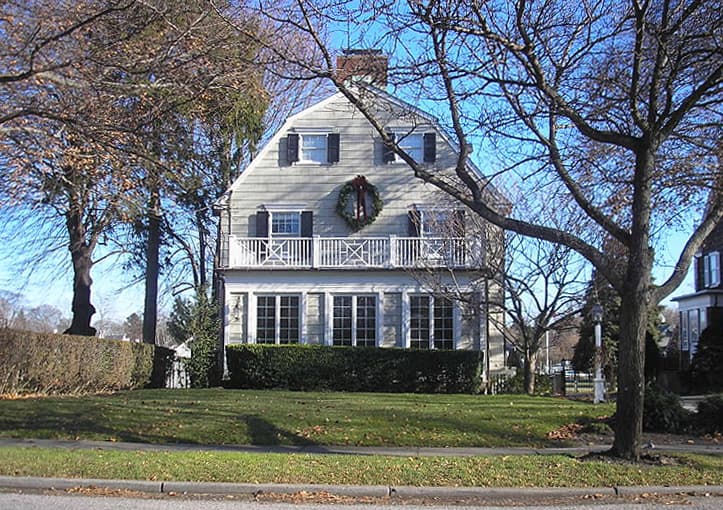
Legend has it that demons posessed Ronald DeFeo Jr. to murder his whole family in their suburban home.
A Quick Note From Our Founder
Morbid Tourism is independently researched and maintained by one person. Every location is fact-checked, verified, and mapped so you can find exactly what you're looking for. If this page helped you, a coffee keeps the research going.