188 Lindbergh Road, Hopewell, NJ 08525
ADVERTISEMENT
Author: Jewls Krueger
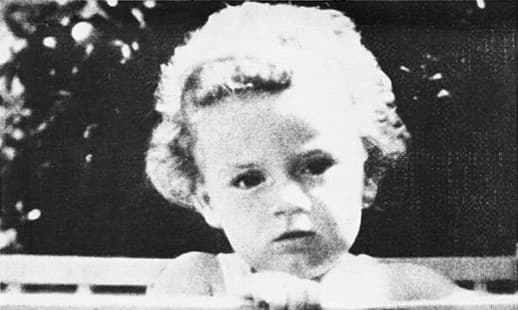
On the night of March 1, 1932, the 20 month old son of famed aviator Charles Lindbergh was taken from his second floor nursery at the family's secluded New Jersey estate. The case quickly became known as "the crime of the century" and dominated American headlines for years.
The body of Charles Augustus Lindbergh Jr. was found a little over two months later in the woods just a few miles from the family home. A German immigrant carpenter named Bruno Richard Hauptmann was eventually arrested, tried, convicted, and executed for the crime.
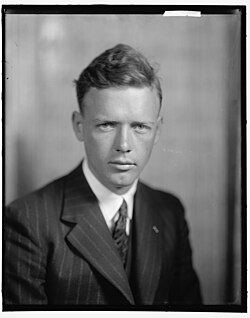
Charles Lindbergh - Public Domain
Charles Augustus Lindbergh became one of the most famous men in the world after his solo nonstop flight from New York to Paris in May 1927. He married author Anne Morrow Lindbergh in 1929, and their first child, Charles Augustus Lindbergh Jr., was born on June 22, 1930.
To escape the constant attention of the public and press, the Lindberghs built a large 23 room estate they called Highfields on 380 acres of land on the Sourland Mountain near East Amwell Township in Hunterdon County, New Jersey, just outside the small town of Hopewell. The family had only just moved in when the kidnapping took place, and very few people outside of close friends and household staff even knew where the home was located.
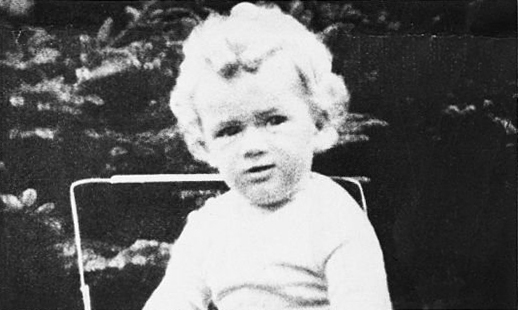
Baby Charles Lindbergh Jr. - Public Domain
On the cold, rainy night of March 1, 1932, the Lindberghs and their staff were elsewhere in the house when nurse Betty Gow went to check on Charlie around 10 p.m. and found his crib empty. A handmade wooden ladder had been propped against the side of the house beneath an open nursery window, and a ransom note demanding $50,000 was found on the windowsill.
Over the next several weeks, the family received more than a dozen additional ransom notes. On April 2, 1932, a retired Bronx schoolteacher acting as a go between named John F. Condon delivered $50,000 in marked bills to the kidnapper at St. Raymond's Cemetery in the Bronx. The kidnapper claimed Charlie was on a boat off Massachusetts, but no such boat or child was ever found.
Further Reading
On May 12, 1932, a truck driver discovered the badly decomposed body of a small child along a wooded road just a few miles from the Lindbergh home. It was Charles Lindbergh Jr., who had died of a fractured skull on or around the night of the kidnapping.
The break in the case came in September 1934, when a man used one of the marked $10 gold certificates from the ransom payment at a Bronx gas station. Police traced the car to 34 year old Bruno Richard Hauptmann, a German immigrant carpenter. A search of his home uncovered roughly $14,000 of the ransom money hidden in the walls, John Condon's phone number written on a closet wall, and evidence that a board from the kidnapping ladder had been cut from a missing plank in Hauptmann's attic.
Hauptmann's trial began January 2, 1935 in Flemington, New Jersey. After six weeks of testimony, he was convicted of first degree murder on February 13, 1935 and sentenced to death. After multiple unsuccessful appeals, Bruno Richard Hauptmann was executed in the electric chair at the New Jersey State Prison in Trenton on April 3, 1936. He maintained his innocence to the end.
The case directly inspired the 1932 Federal Kidnapping Act, commonly known as the "Lindbergh Law," which made kidnapping a federal offense and gave the FBI jurisdiction to investigate.
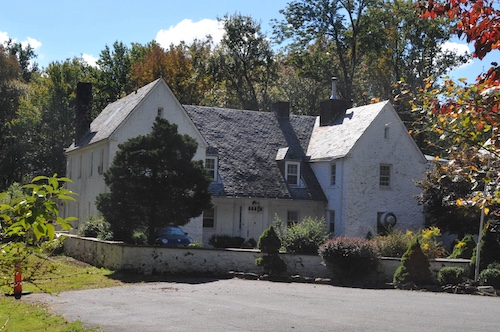
The Linbergh Estate - Creative Commons: Jerrye & Roy Klotz, MD
The Lindberghs never returned to live at Highfields. In 1933, Charles Lindbergh donated the entire estate to the state of New Jersey. Since July 1, 1952, the property has been used as the Highfields Group Center, a juvenile rehabilitation facility for adolescent boys run by the state.
The home was added to the National Register of Historic Places in 1994. It still stands at the end of Lindbergh Road in East Amwell Township, deep in the wooded foothills of the Sourland Mountains. Because the property is an active juvenile facility, public access is restricted. Please be respectful of the facility and the youth housed there, stay on public roads at all times, and do not attempt to enter the property under any circumstances.

Elizabeth Smart was abducted through the window of this Salt Lake City home in 2002.
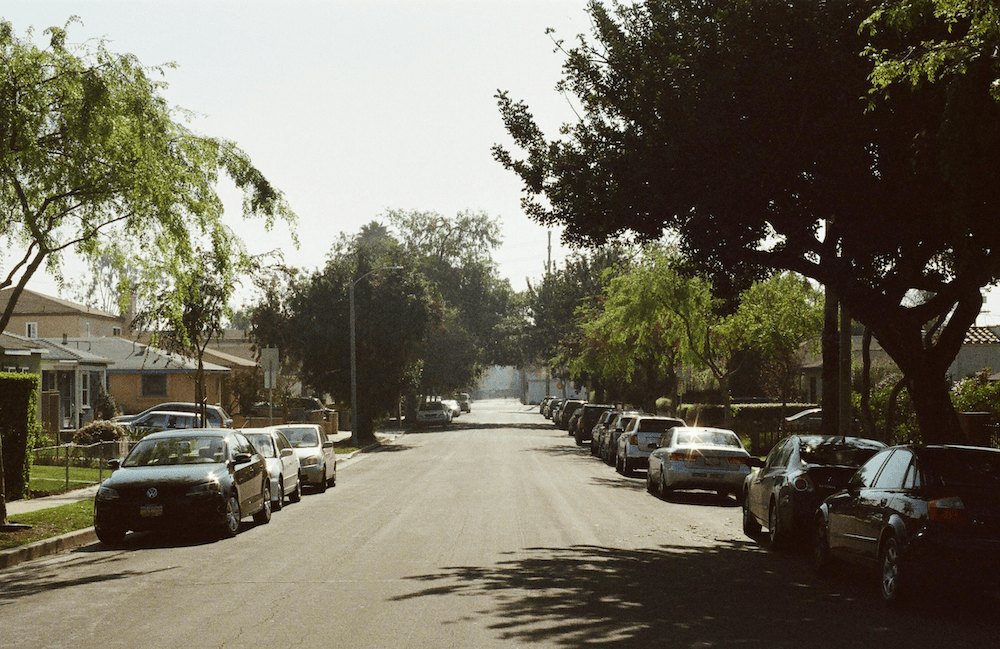
Twelve-year-old Courtney Sconce was abducted from this corner in 2000.
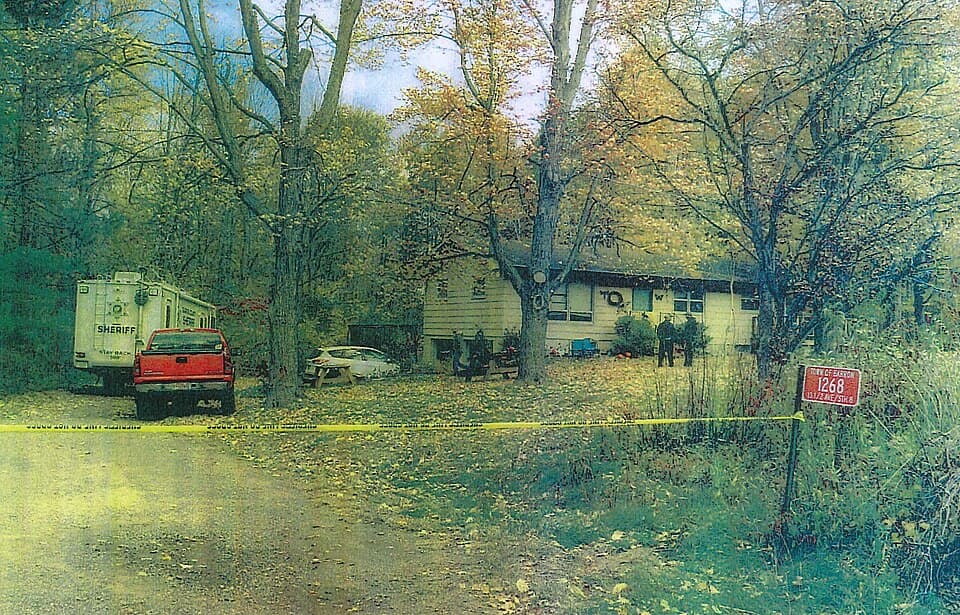
Jayme Closs' parents were murdered and she was abducted from this Barron, WI home.
A Quick Note From Our Founder
Morbid Tourism is independently researched and maintained by one person. Every location is fact-checked, verified, and mapped so you can find exactly what you're looking for. If this page helped you, a coffee keeps the research going.