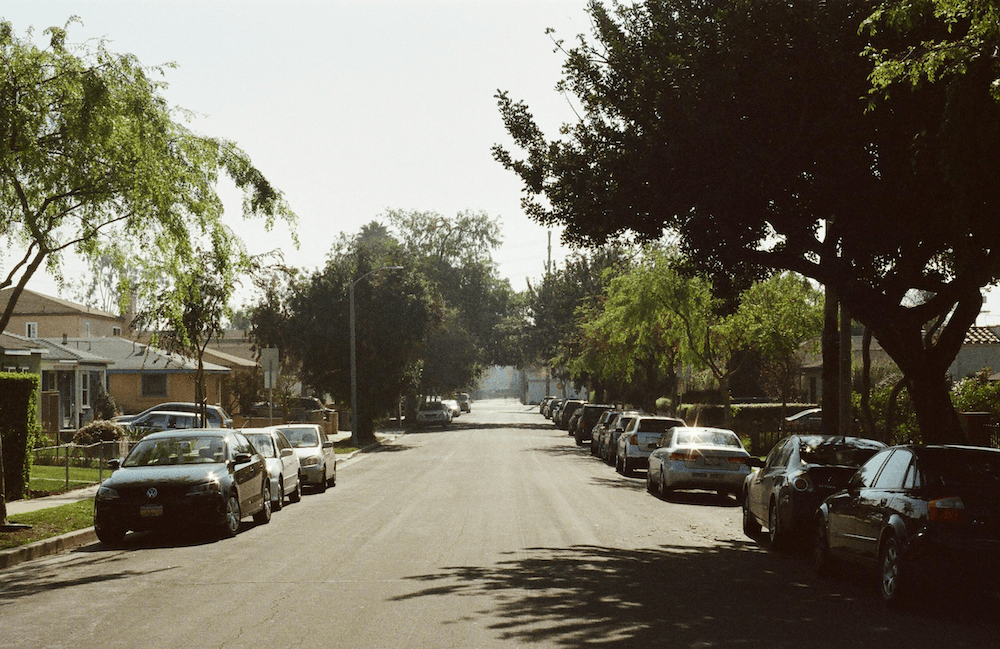
10801 Glenhaven Way, Rancho Cordova, CA 95670
Author: Jewls Krueger
Courtney's Corner marks the spot in Rancho Cordova, California, where 12-year-old Courtney Hanna Sconce was last seen alive on the afternoon of November 8, 2000. She was walking a familiar route to a neighborhood store when she was abducted at gunpoint. Her body was recovered that same evening in rural Sutter County, well north of her neighborhood. For months afterward, residents turned the corner where she vanished into a memorial, and the name has stayed with the place ever since.
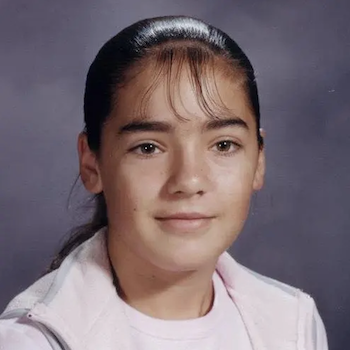
Courtney Hanna Sconce was born on February 11, 1988. She lived with her parents, Mark and Cindy Sconce, and her older sister Ashley, and she attended W.E. Mitchell Middle School. Friends and family remembered her as outgoing and athletic, as comfortable on a basketball court as she was giggling with her friends. More than 1,000 people attended her funeral, according to the Sacramento Bee.
Justin Michael Weinberger was 19 years old and living in El Dorado Hills at the time of the crime. He had no prior criminal record and was described in coverage as an unremarkable young man from a stable household. Two days before the abduction, FBI agents and El Dorado County investigators searched his home and seized a collection of child pornography. That search was later cited in probation reports as a trigger for what followed.
Courtney disappeared from her Rancho Cordova neighborhood sometime after 3 p.m. on November 8, 2000, while heading to a neighborhood store. She was last seen near the corner of Glenhaven Way and Cordova Lane, a short distance from the shop. Weinberger, who had purchased a gun that same day, took her at gunpoint and drove her to Sutter County. Her body was found about two hours later on the banks of the Feather River near Nicolaus. She had been sexually assaulted and strangled.
Investigators worked the case for months and collected more than 100 DNA samples from possible suspects. About eight months after Courtney's death, that evidence identified Weinberger, who had worked at jobs in the Rancho Cordova area. In statements to investigators, he acknowledged weighing whether Courtney could identify him. "Something told me that if I'm gonna get away with it, I'll have to kill her," he said, according to later coverage of an Investigation Discovery documentary on the case.
Weinberger pleaded guilty in November 2001 to murder with three special circumstances, child molestation, kidnapping, and rape, under an agreement that removed the death penalty. On February 1, 2002, Sacramento County Superior Court Judge Patrick Marlette sentenced him to life in prison without the possibility of parole. He also received a 21-year state sentence for kidnapping and sexual assault, along with a separate 10-year federal sentence for trafficking child pornography, which he served first.
Less than an hour before he was sentenced, Weinberger asked the court to give him the death penalty. "I deserve to die," he said. Addressing Courtney's family, he added, "I wish I could help everyone understand why. I don't understand why. It was all so pointless." Reporting indicates he remains in California state prison, serving life without parole.
The corner no longer holds the candles and handwritten notes that once covered it. In the months after Courtney disappeared, neighbors kept her memory alive at the northwest corner of Glenhaven Way and Cordova Lane, and locals have referred to the spot as Courtney's Corner in the years since. Today it is a quiet residential intersection in Rancho Cordova, a suburb east of Sacramento.
Visitors who come to pay respects should treat it as the ordinary neighborhood corner it is. Stay on public sidewalks, do not block traffic or driveways, and be considerate of the families who live nearby and who lived through this loss.
Jessica Keen was abducted and found murdered in this small, rural cemetery.

Joseph Duncan murdered 3 members of the Groene family and abducted 2 children from this Idaho home.

The first "Milk Carton Kid" Johnny Gosch went missing from near his suburban Iowa home
A Quick Note From Our Founder
Morbid Tourism is independently researched and maintained by one person. Every location is fact-checked, verified, and mapped so you can find exactly what you're looking for. If this page helped you, a coffee keeps the research going.