8723 Rangely Avenue, West Hollywood, CA 90048
This page contains affiliate links. We may earn a small commission at no extra cost to you.
Author: Jewls Krueger
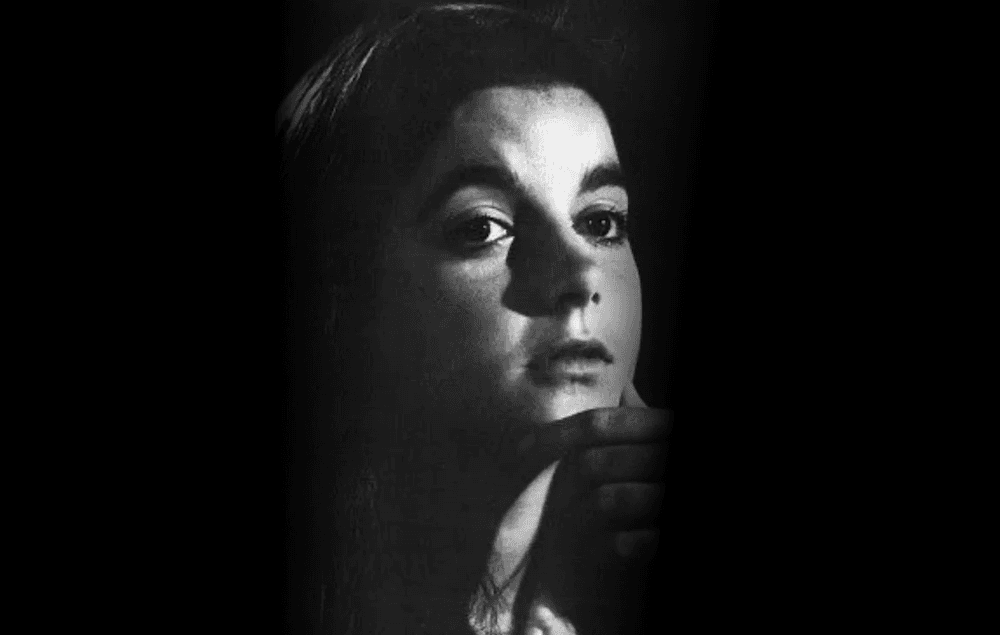
On October 30, 1982, actress Dominique Dunne was attacked and strangled by her former boyfriend, John Thomas Sweeney, in the driveway of the home she rented on Rangely Avenue in West Hollywood. She never regained consciousness and was taken off life support on November 4, 1982. She was 22 years old.
The case became one of the most widely discussed Los Angeles trials of the decade, in part because of Dunne's family. Her father, writer Dominick Dunne, chronicled the trial in a landmark Vanity Fair essay, and her mother founded a victims' advocacy group. The verdict, and the judge's rulings that shaped it, drew lasting public criticism.
Dominique Ellen Dunne was born on November 23, 1959, in Santa Monica, the youngest child of writer and producer Dominick Dunne and Ellen "Lenny" Griffin Dunne. Her brother is actor Griffin Dunne, and her uncle and aunt were writers John Gregory Dunne and Joan Didion.
She began acting in the late 1970s and appeared in television series before landing her best-known role as the eldest daughter in the 1982 horror film Poltergeist. She also appeared in the Western The Shadow Riders and guest-starred on television. At the time of her death, she had been cast in the science fiction miniseries V and had filmed several scenes.
John Thomas Sweeney was a sous-chef at the well-known Los Angeles restaurant Ma Maison. He met Dunne at a party in 1981, and after a few weeks the couple moved into the Rangely Avenue house together. The relationship deteriorated quickly. According to accounts presented later, Sweeney was jealous and controlling, and the fighting turned physical. During an argument on August 27, 1982, he pulled out handfuls of her hair. After a second violent incident on September 26, in which Sweeney grabbed her by the throat, Dunne ended the relationship, had the locks changed, and stayed with her mother and friends before moving back into the home alone.
On the evening of October 30, 1982, Dunne was at the house rehearsing lines for V with actor David Packer. Sweeney arrived roughly ten minutes after a tense phone call. Dunne spoke to him through the locked door, then agreed to talk with him outside while Packer stayed in. Packer later said he heard smacking sounds, two screams, and a thud. He called police but was told the home was outside their jurisdiction, so he phoned a friend and said that if he turned up dead, Sweeney was responsible.
Packer went out and found Sweeney kneeling over Dunne near the driveway. When deputies arrived, Sweeney met them with his hands up and said, "I killed my girlfriend, and I tried to kill myself." Dunne was taken to Cedars-Sinai Medical Center, where scans showed no brain activity. Her family consented to remove her from life support on November 4, and at her mother's request her kidneys and heart were donated.
Sweeney's trial began in August 1983 before Judge Burton S. Katz. Sweeney testified that he had "exploded" after Dunne told him their reconciliation was off, and his attorney argued he acted in the heat of passion without malice. Dunne's family disputed that any reconciliation had occurred. The medical examiner testified that Dunne had been strangled for at least three minutes.
Two of Judge Katz's rulings proved decisive. He barred jurors from hearing testimony from a former girlfriend who described a pattern of abuse, and he excluded statements from Dunne's mother and friends as hearsay. He also removed first-degree murder from the jury's options. On September 21, 1983, the jury acquitted Sweeney of second-degree murder and convicted him of voluntary manslaughter, along with a misdemeanor assault for the September incident.
Sweeney received the maximum sentence available, six years plus six months. At sentencing, Katz called the death a case of "murder with malice," while Dominick Dunne, from the gallery, shouted, "Not for our family, Judge Katz!"
Book Recommendation

In Justice: Crimes, Trials, and Punishments, Dominick Dunne gathers the crime writing that began in the courtroom where his daughter's killer was tried. His firsthand account of that trial anchors the collection, making this the essential and most personal book connected to Dominique Dunne's story.
Buy on Amazon →By purchasing through this link, we may earn a small commission at no extra cost to you. Thank you for supporting our work!
Sweeney was released on parole in September 1986 after serving roughly two and a half years. He was hired as a head chef at a Santa Monica restaurant, prompting Dunne's brother and mother to hand out flyers to diners identifying him. He quit and left Los Angeles. Family accounts and later interviews say he changed his name to John Maura and moved to the Pacific Northwest, where he continued to work as a chef. His current whereabouts have not been reliably confirmed in reporting.
Dunne's mother founded the advocacy group now known as Justice for Homicide Victims, which she ran until her death in 1997. The case has resurfaced repeatedly in popular culture, most recently through renewed attention to Dominick Dunne's role as a chronicler of high-profile crime.
The Rangely Avenue house still stands and remains a private residence in the West Hollywood West neighborhood, in the blocks south of Melrose Avenue. It is a modest single-story home built in the 1920s, indistinguishable from its neighbors apart from its history.
If you visit, please treat the street as what it is, a quiet residential block where people live. View the home only from the public sidewalk, do not enter the property or photograph residents, and do not knock or attempt to contact anyone living there or nearby. This is still someone's home, and the block deserves the same respect any neighborhood does.

Experience the Dominique Dunne's House with expert-led guided tours. Learn the untold stories and historical context from knowledgeable guides.
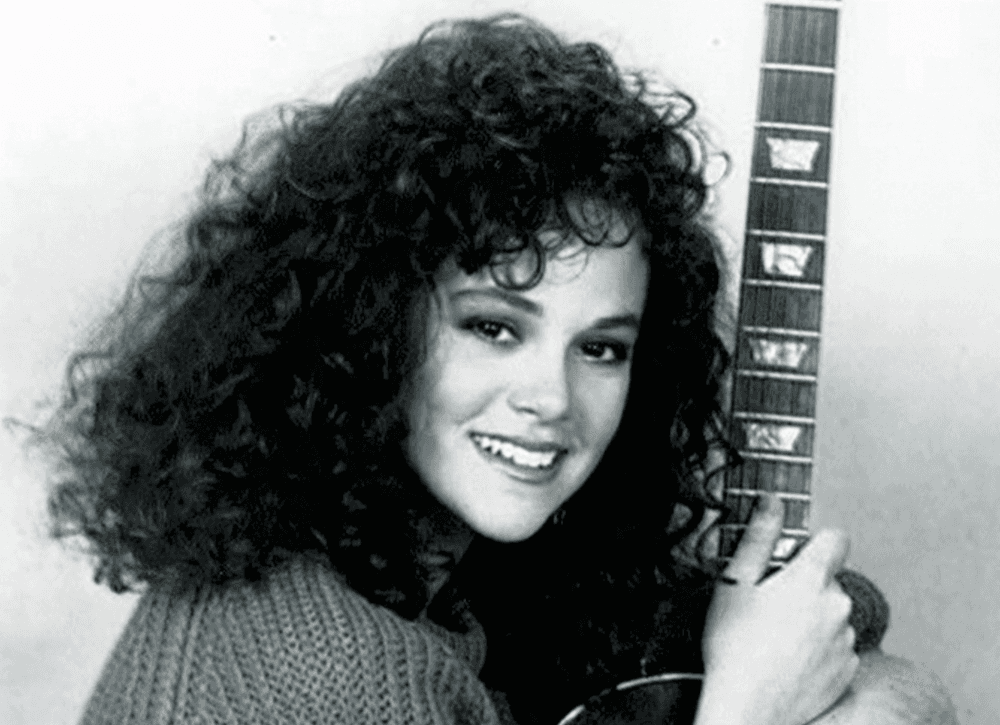
Actress Rebecca Schaeffer was killed by stalker Robert Bardo at her LA area apartment.

Actor River Phoenix died at 23 of a drug overdose outside Johnny Depp's Viper Room nightclub on Halloween morning 1993.
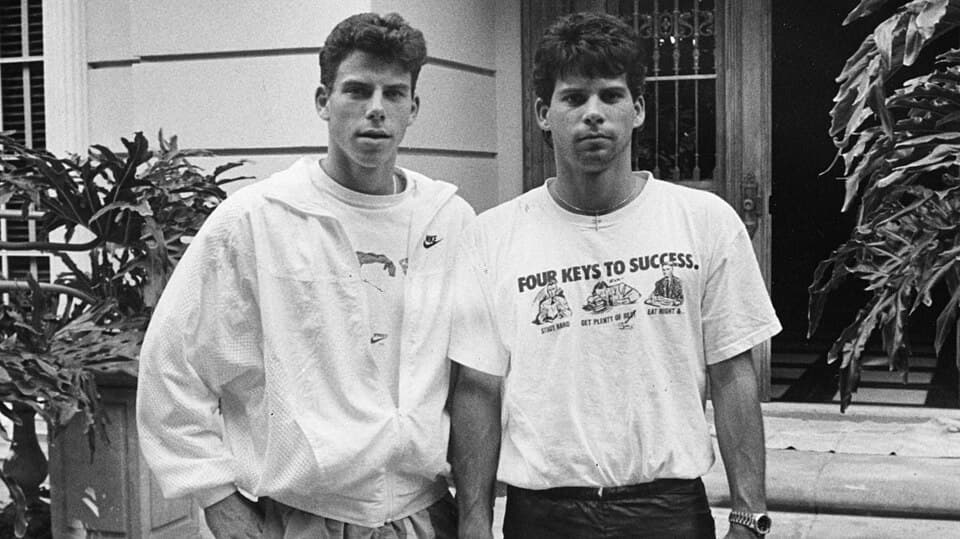
The Beverly Hills mansion where the Menendez Brothers, Erik & Lyle, murdered their parents.
A Quick Note From Our Founder
Morbid Tourism is independently researched and maintained by one person. Every location is fact-checked, verified, and mapped so you can find exactly what you're looking for. If this page helped you, a coffee keeps the research going.