6220 N Independence St., Park City, KS 67219
This page contains affiliate links. We may earn a small commission at no extra cost to you.
Author: Jewls Krueger
For more than two decades, the man Wichita knew only as BTK lived in a small white house on the north side of Park City, Kansas. He mowed the lawn, led a Cub Scout pack, served on his church council and worked as the city's compliance officer. He also killed ten people between 1974 and 1991, and he stalked at least one of his victims from a few doors down the same street.
The house is gone. Park City bought it from Rader's ex-wife and tore it down in 2007, turning the lot into an entrance to the neighborhood park behind it. The empty parcel remains one of the most visited non-sites in American true crime, and as recently as 2023 it was still being dug up by investigators looking for evidence of crimes Rader has never been charged with.

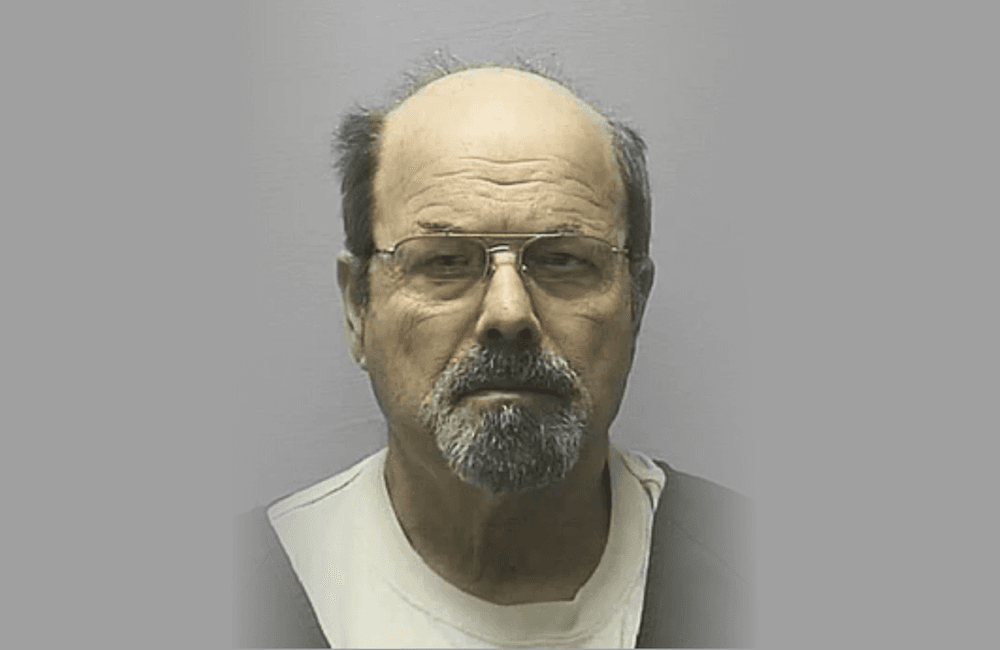
Dennis Rader's Mugshot - Fair Use
Dennis Lynn Rader was born in Pittsburg, Kansas, on March 9, 1945, and grew up in Wichita. He served in the Air Force from 1966 to 1970, then returned to Kansas, married Paula Dietz in 1971 and raised two children. He earned an associate degree in electronics engineering and later a bachelor's degree in administration of justice from Wichita State University.
From 1974 to 1988 he installed home security systems for ADT in Wichita, work that put him inside the houses of customers who were frightened of the very killer selling them alarms. In May 1991 he took a job as a dogcatcher and compliance officer for Park City. Neighbors later described him as a petty and aggressive enforcer of local code. He was elected president of the council at Christ Lutheran Church in January 2005, one month before his arrest.
Rader began killing in January 1974, when he murdered four members of the Otero family in their Wichita home. Over the next seventeen years he killed six more people, most of them women, most of them attacked inside their own homes. He gave himself the name BTK, for bind, torture, kill, in taunting letters he sent to The Wichita Eagle, to television station KAKE and to police.
Two of his later victims had connections to his own neighborhood. Marine Hedge, 53, lived only a few houses away from the Rader home on the same street. He killed her in April 1985, later saying he had targeted her specifically to see whether he could murder a neighbor and get away with it. His final victim, Dolores Davis, 62, was killed in January 1991 not far from where he lived.
After a silence of more than a decade, Rader resumed sending letters in 2004. In February 2005 he mailed a floppy disk to a Wichita television station after asking police, through a newspaper classified ad, whether such a disk could be traced. Police told him it could not. Investigators recovered metadata from a deleted document on the disk that referenced Christ Lutheran Church and a user named Dennis. A search connected the name to the church council president, and a DNA sample obtained from his daughter's medical records confirmed a familial match to evidence from a crime scene.
Rader was arrested shortly after noon on February 25, 2005, while driving near his Park City home on his way back for lunch. Asked if he knew why he was being taken downtown, he said, "Oh, I have suspicions why."
Officers from the Wichita Police Department, the Kansas Bureau of Investigation, the FBI and the ATF searched the house and Rader's vehicle, seizing computer equipment and items including a pair of black pantyhose taken from a backyard shed. Rader pleaded guilty to ten counts of first degree murder on June 27, 2005, and was sentenced on August 18 to ten consecutive life terms. He remains incarcerated at El Dorado Correctional Facility.
Paula Dietz was granted an emergency divorce in July 2005. That same month the house sold at auction for $90,000 to Michelle Borin, the owner of a club in Derby, but the sale collapsed when a dispute over how the proceeds should be distributed kept the title from transferring.
Park City stepped in instead. The city council authorized the purchase in November 2006 and closed in early January 2007, paying a little less than $60,000. Mayor Dee Stuart said the plan was to demolish the house and use the land as a new entryway to Jardine Memorial Park behind it. Weeks later someone tried to sell what were described as pieces of the house on eBay, and the listing was pulled before any bids came in.
Crews arrived around seven in the morning in early March 2007 and hauled the remains away in four trucks while a police officer stood guard against souvenir hunters. Stuart had refused to announce the date in advance. She did not want the demolition to become a spectacle.
Further Reading
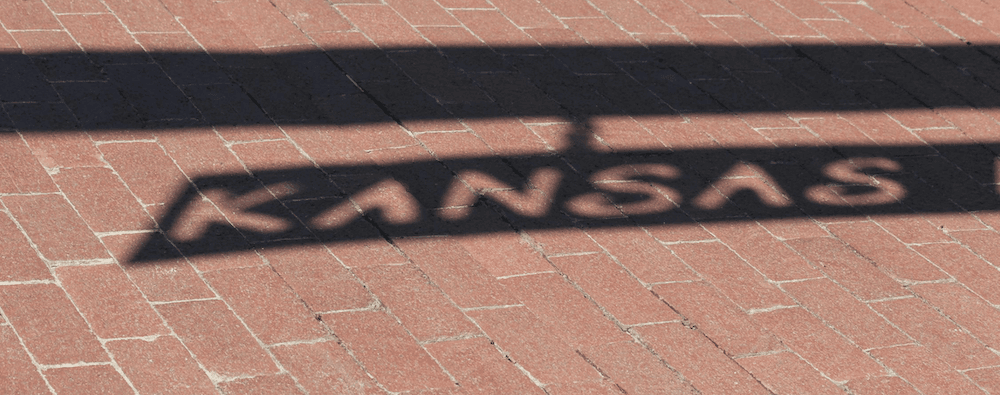
The empty lot was searched again in August 2023, this time by investigators from the Osage County Sheriff's Office in Oklahoma, working with Park City police and the Kansas Bureau of Investigation. A city crew lifted concrete so deputies could dig. Officials said multiple items of interest were recovered for examination.
The search was tied to the 1976 disappearance of Cynthia Dawn Kinney, a 16-year-old last seen at a laundromat in Pawhuska, Oklahoma. The sheriff's office named Rader a prime suspect in that case and said its investigation had turned up possible connections to other unsolved disappearances and murders in Kansas and Missouri. Rader has denied any involvement, and no charges have been filed.
The case returned to wide attention on October 10, 2025, when Netflix released My Father, the BTK Killer, a documentary directed by Skye Borgman that follows Rader's daughter, Kerri Rawson.
There is no house to see. The lot sits on Independence Street on the north side of Park City, a suburb directly north of Wichita, and it now functions as a walking entrance to Jardine Memorial Park, a small neighborhood park with trees, swings, a half basketball court and a parking lot. Unless you know what stood here, it reads as an ordinary gap between houses.
That is worth remembering when you visit. The homes on either side are occupied, and Marine Hedge's house still stands a short distance up the same block. Park while it is legal to do so, stay on the public street and sidewalk, and use the park as any visitor would. Do not knock on doors, do not photograph residents, and do not go looking for souvenirs. Park City went to the trouble of erasing this address specifically so that it would stop being a destination. Treat the neighborhood accordingly.
BTK killer Dennis Rader murdered 4 members of the Otero Family in their Kansas home.
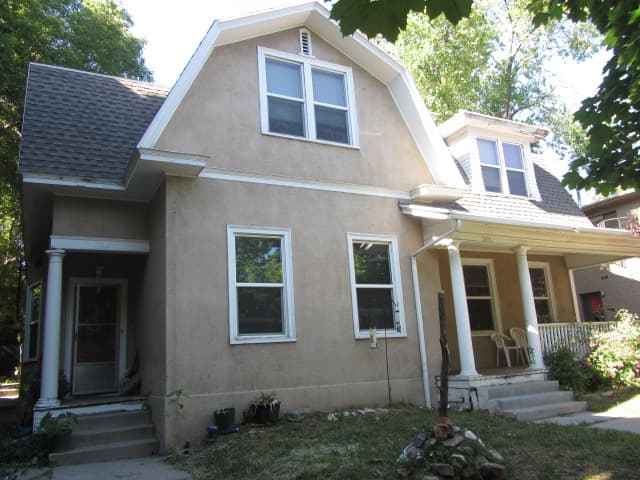
The small apartment that serial killer Ted Bundy lived in while living in Utah
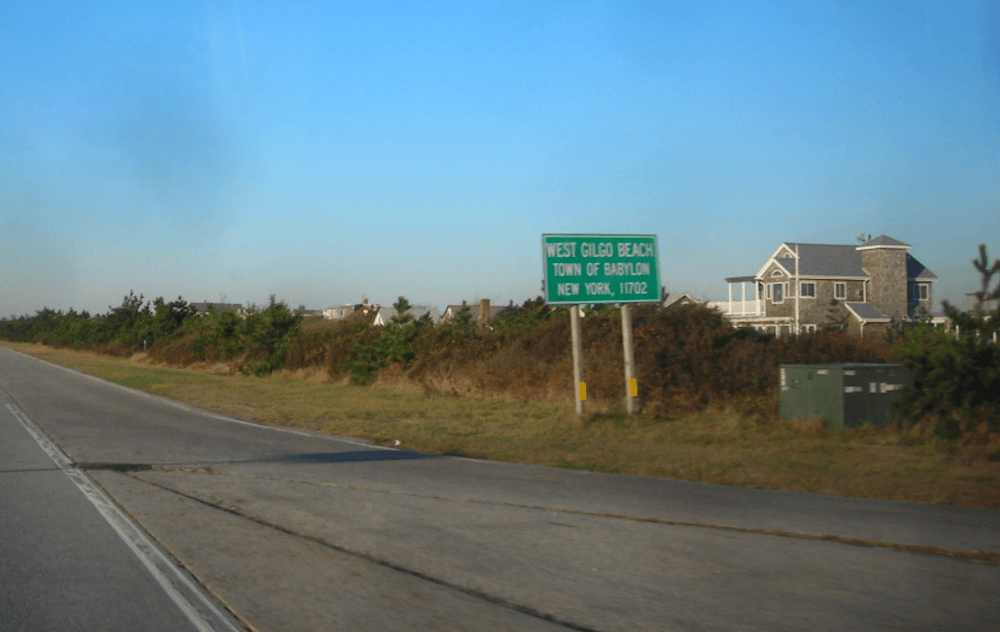
The Gilgo Beach Serial Killer, Rex Heuermann, killed 8 women in this Long Island home.
A Quick Note From Our Founder
Morbid Tourism is independently researched and maintained by one person. Every location is fact-checked, verified, and mapped so you can find exactly what you're looking for. If this page helped you, a coffee keeps the research going.