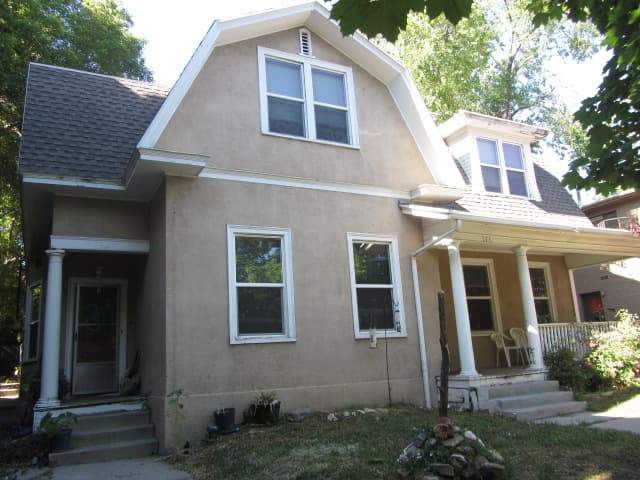
565 1st Ave N, Salt Lake City, UT 84103
ADVERTISEMENT
This page contains affiliate links. We may earn a small commission at no extra cost to you.
Author: Jewls Krueger
In September 1974, Ted Bundy moved into a second-floor room in a boarding house in the Avenues neighborhood of Salt Lake City. He had been accepted to the University of Utah law school and was starting his first year over again after dropping out of a program in Washington.
He lived here for one year. In that year, women and girls began disappearing across Utah, Colorado, and Idaho. When police finally searched this room in August 1975, what they found inside connected him to two of those disappearances and helped end the longest stretch of killing in his life.
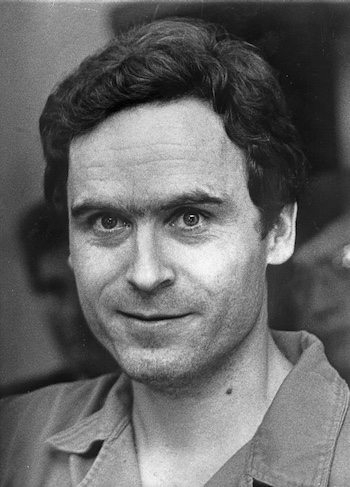
By the time Bundy arrived in Utah, he had already murdered at least eight women in Washington and Oregon. Investigators believe the real number was higher. None of those cases had been solved, and no one outside a small circle of tipsters suspected him.
He had been a Republican Party staffer, a psychology honors graduate, and a volunteer at a Seattle crisis hotline. He was also a compulsive thief who had shoplifted most of what he owned. At the boarding house he served as the landlord's property manager, handling maintenance in exchange for reduced rent, which gave him a reason to be moving around the building at odd hours.
ADVERTISEMENT
His first killing after the move was in Idaho on September 2, 1974. The first in the Salt Lake area came a month later, when he abducted 16-year-old Nancy Wilcox in Holladay on October 2.
Over the next nine months, at least ten girls and women were killed, ranging in age from 12 to 26. His earlier victims had almost all been college students. In Utah he began taking high school and middle school girls. Melissa Smith, 17, disappeared from Midvale in October. Laura Ann Aime, 17, disappeared in Utah County on Halloween. Debra Kent, 17, disappeared from Bountiful in November. Lynette Culver, 12, was taken from outside her school in Pocatello, Idaho, in May 1975. Susan Curtis, 15, vanished from the Brigham Young University campus in June.
Bundy later described what he did with some of the bodies afterward, including washing their hair and applying makeup. He also photographed victims with a Polaroid camera. He claimed police searchers missed his hidden collection of those photographs and that he destroyed them after being released.
Two of his final confessions concerned this building. He claimed he brought Nancy Wilcox here and kept her in his room, and that he did the same with Debra Kent before disposing of her remains in central Utah. Many researchers doubt both accounts. Another tenant lived directly across the hall, and carrying an unconscious person up the outside fire escape would have been difficult. Bundy lied to investigators constantly in his final days, often to buy time.
Book Recommendation

Ann Rule's 'The Stranger Beside Me' is required reading for any true crime fan. Anne Rule was tasked with writing about a series of murders, all while working with the murderer, Ted Bundy, at a suicide hotline.
Buy on Amazon →By purchasing through this link, we may earn a small commission at no extra cost to you. Thank you for supporting our work!
On November 8, 1974, Bundy approached 18-year-old Carol DaRonch at a mall in Murray. He identified himself as Officer Roseland of the Murray Police Department and told her someone had tried to break into her car, then asked her to come to the station and file a complaint.
Once she was in his Volkswagen, she realized he was not driving toward any police station. He pulled onto the shoulder and tried to handcuff her. In the struggle he fastened both cuffs to the same wrist, and she got the door open and ran. She survived, and she gave police a description of the man and the car.
That evening, less than an hour north, Debra Kent disappeared from her high school. Investigators later found a handcuff key outside the auditorium that opened the cuffs taken off DaRonch's wrist.
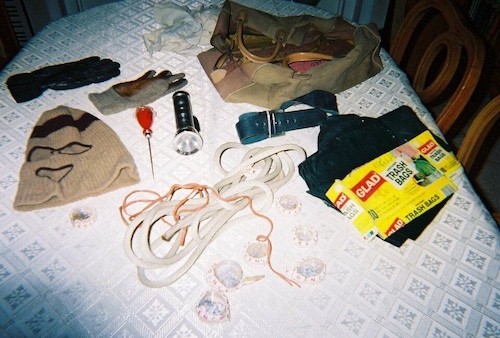
On the morning of August 16, 1975, a Utah Highway Patrol officer watched a Volkswagen Beetle cruising a residential neighborhood before dawn, then speeding off when the driver spotted the patrol car. Inside, the officer found a ski mask, a second mask made from pantyhose, a crowbar, handcuffs, trash bags, rope, and an ice pick. Bundy said the mask was for skiing and the rest were household items.
A detective remembered the description from the DaRonch report. Police then searched this room. Among the items they found were a guide to Colorado ski resorts with a checkmark next to the Wildwood Inn, the Snowmass Village hotel where Caryn Campbell had disappeared that January, and a program for the Viewmont High School play that Debra Kent had attended the night she vanished.
It was not enough to hold him. He was released, and Salt Lake City police put him under 24-hour surveillance. In September 1975 he moved out of the boarding house to an apartment on Douglas Street, closer to campus.
ADVERTISEMENT
On October 2, 1975, DaRonch picked Bundy out of a lineup. He was charged with aggravated kidnapping and attempted criminal assault in her case. His parents posted $15,000 bail, and he spent most of the months before trial in Seattle at the home of his girlfriend, Elizabeth Kloepfer.
Meanwhile, the Volkswagen he had sold was impounded and taken apart by FBI technicians, who recovered hairs matching Caryn Campbell and two of the Utah victims.
Bundy went to trial in Salt Lake City in February 1976, waived his right to a jury, and was convicted. In June he was sentenced to one to fifteen years in the Utah State Prison. It was only that October, with Bundy already incarcerated, that Colorado charged him with Campbell's murder. He was extradited in January 1977 and escaped custody there twice before fleeing to Florida.
On April 1, 2026, the Utah County Sheriff's Office announced it had closed the 1974 murder of Laura Ann Aime, one of the teenagers who disappeared during Bundy's year at this address. Bodily fluids recovered from her body were retested using current forensic methods and matched Bundy's DNA profile.
Bundy had confessed to killing Aime before his 1989 execution, but Sheriff Mike Smith said that confession alone had not been enough to rule out anyone else. "We can now say, without a doubt, that Theodore 'Ted' Bundy did in fact did murder Laura Ann Aime in the fall of 1974," Smith said at a news conference in Spanish Fork attended by Aime's family. He noted the new testing meets current standards and should make future comparisons easier for agencies still holding open Bundy cases.
Visitors researching this case often encounter a story about a stone cellar off Emigration Canyon Road, east of Salt Lake City, said to be where Bundy held or buried victims. There is no support for it in any police file, interview, or confession, and the site sits on private property. The legend appears to have grown out of the real cellar at Bundy's boarding house and then attached itself to an unrelated ruin. Treat it as folklore, and do not trespass chasing it.
ADVERTISEMENT
The building is still standing and still operates as a rooming house with shared facilities, much as it did in the 1970s. Bundy's room was on the second floor at the front, directly above the porch. A fire escape runs up the right side of the building and reaches his former window. According to visitors who have written about the property, the room has been renumbered so that tourists cannot find it, and the building has no doorbells.
It sits in the Avenues, the hillside neighborhood northeast of downtown Salt Lake City, roughly a block from the Governor's Mansion and a short walk from the Salt Lake City Cemetery. Recent Google Street View imagery of the property appears blurred, likely at the owner's request.
This is private property and people live here now. There are no trespassing signs posted at the entrance, and residents have made clear they are tired of visitors knocking on doors and looking through windows. If you come, look from the public sidewalk and keep moving. Do not approach the building, do not photograph through windows, and do not contact the tenants or the neighbors.
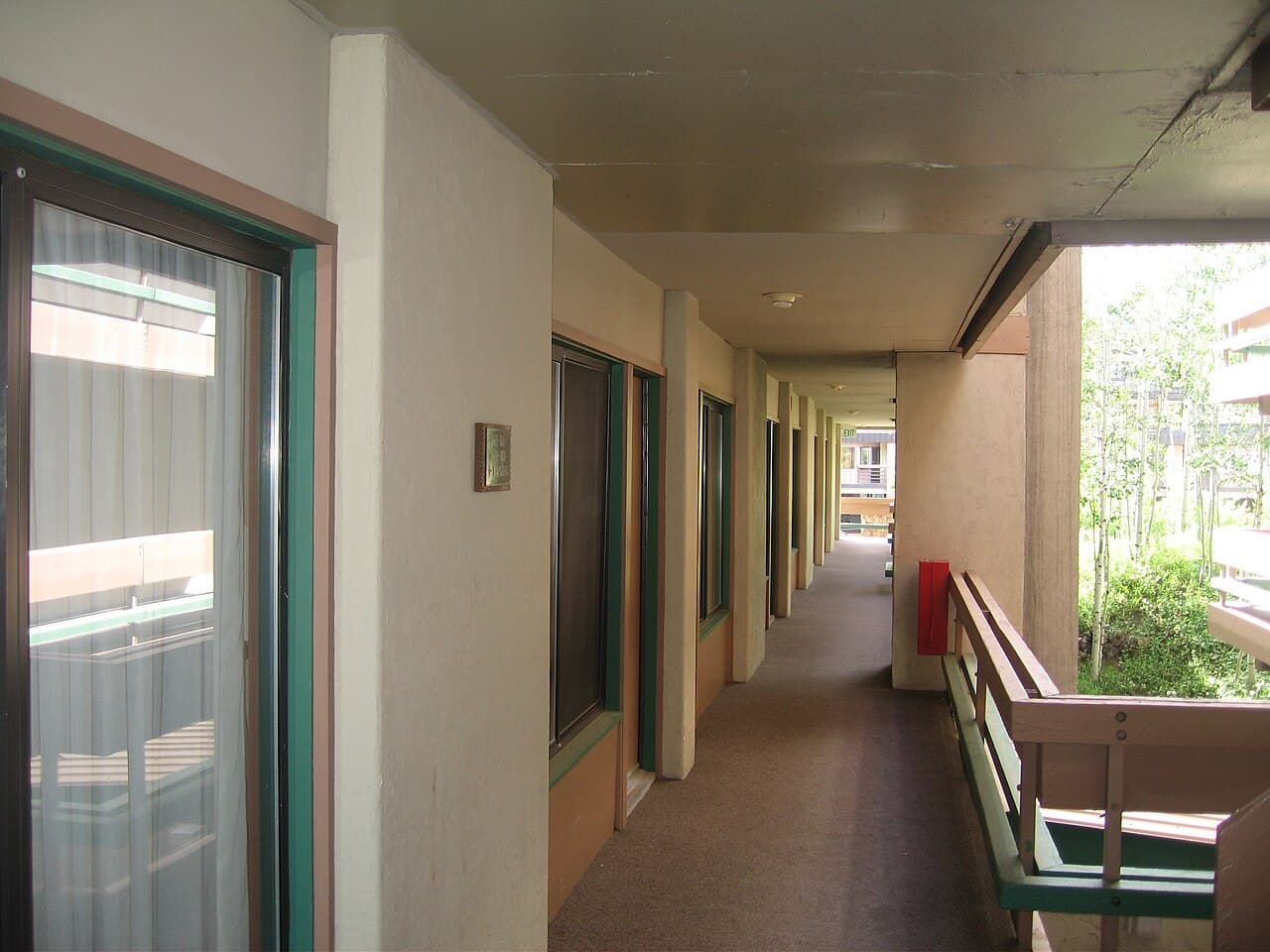
Caryn Campbell was abducted by serial killer Ted Bundy from this resort inn.
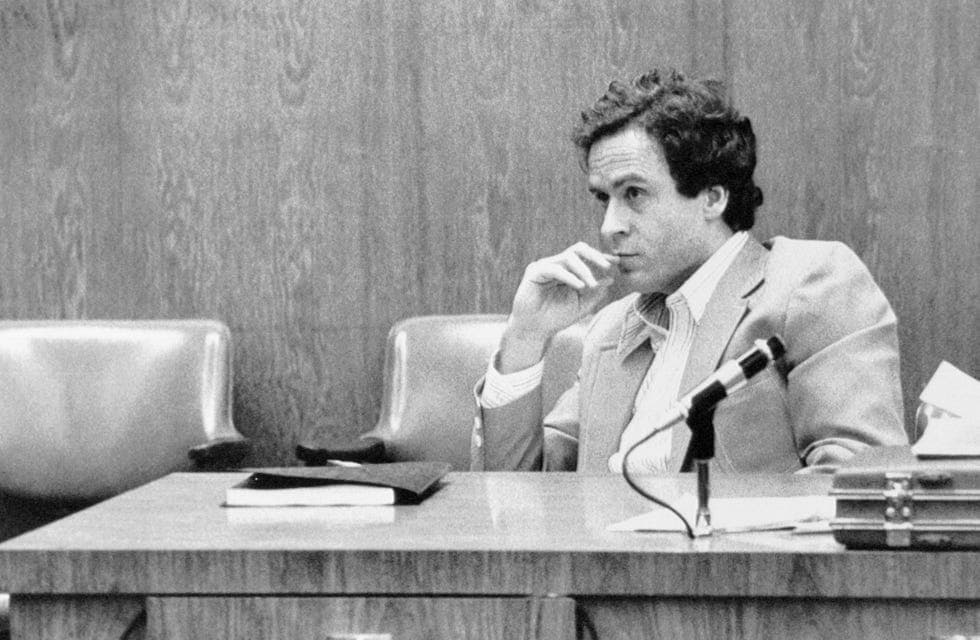
Carol DaRonch was abducted by serial killer Ted Bundy, but ultimately escaped.
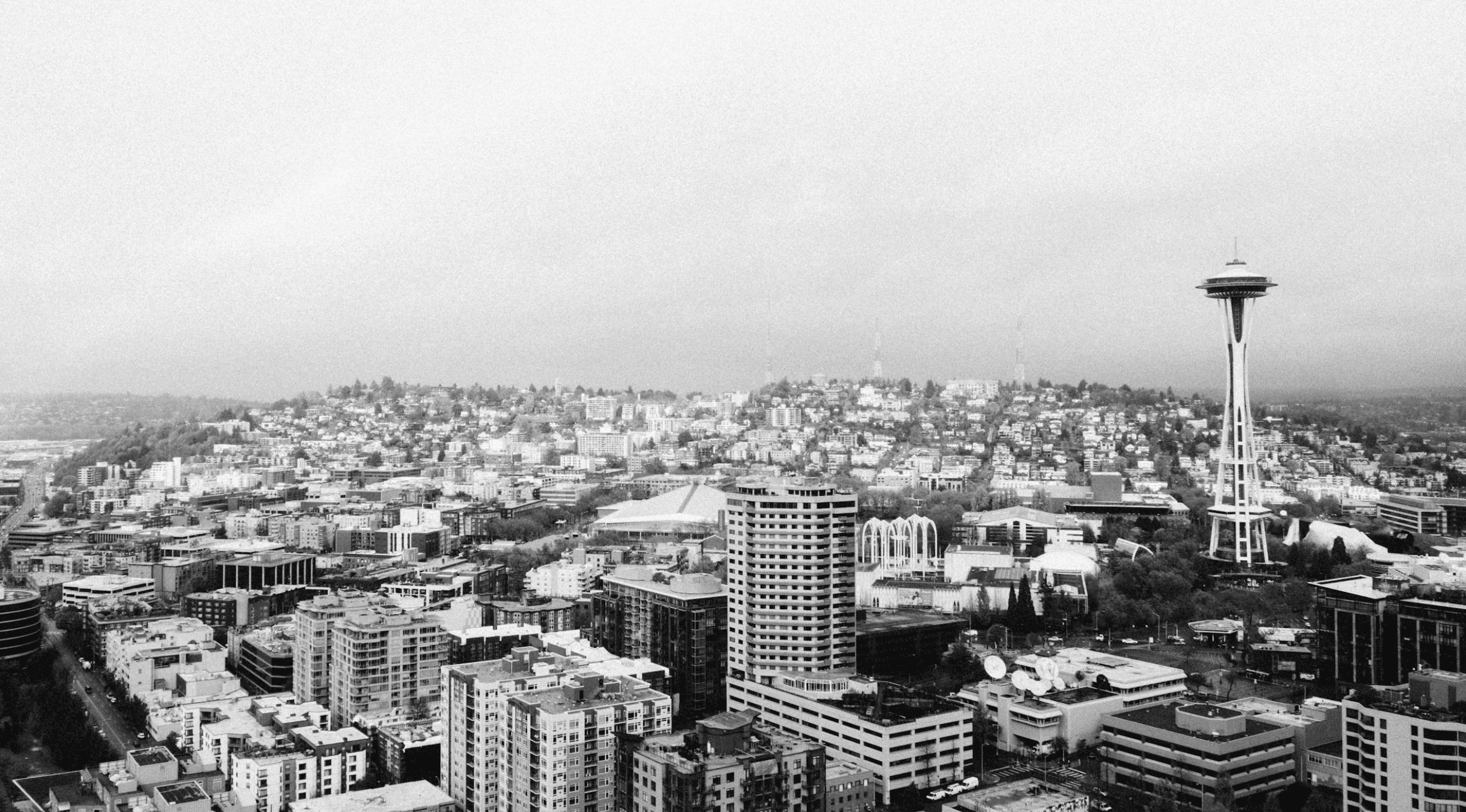
The Seattle home where Ted Bundy killed his first confirmed victim, Lynda Ann Healy.
A Quick Note From Our Founder
Morbid Tourism is independently researched and maintained by one person. Every location is fact-checked, verified, and mapped so you can find exactly what you're looking for. If this page helped you, a coffee keeps the research going.