300 Sorghum Mill Drive, Cheshire, CT 06410
This page contains affiliate links. We may earn a small commission at no extra cost to you.
Author: Jewls Krueger
On the morning of July 23, 2007, two men entered the home of the Petit family in Cheshire, Connecticut, a suburban town of roughly 30,000 people north of New Haven. What the intruders later described as a planned burglary became one of the most notorious crimes in the state's history. Jennifer Hawke-Petit and her daughters, 17-year-old Hayley and 11-year-old Michaela, were killed. Their father, Dr. William Petit, was beaten but survived.
The case drew national and international attention and had a lasting effect on Connecticut's death penalty debate. Both men were convicted and sentenced to death, and both sentences were later commuted to life in prison after the state's Supreme Court struck down capital punishment.

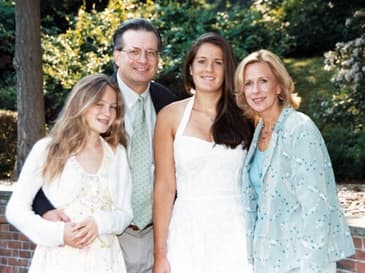
The Petit Family - Fair Use
Jennifer Hawke-Petit, 48, was a nurse and co-director of the health center at Cheshire Academy, a private school in town. She had been diagnosed with multiple sclerosis. She met her husband, William, in 1985 at Children's Hospital of Pittsburgh, where she was an oncology nurse and he was a medical student, and the two married that year.
Hayley Petit, 17, had just graduated from Miss Porter's School, where she was a varsity athlete and honor roll student, and she was set to attend Dartmouth College. She had raised money for multiple sclerosis research after her mother's diagnosis, captaining a fundraising team called Hayley's Hope. Michaela Petit, 11, attended Chase Collegiate School and had planned to continue her sister's fundraising work. She had cooked dinner for her family the evening before the attack.
William Petit, an endocrinologist, was the only member of the family to survive. He later stepped back from medicine to focus on foundations honoring his wife and daughters, and he went on to serve in the Connecticut House of Representatives.
Steven Hayes, born in 1963, had a long criminal record. He was first convicted of burglary as a teenager and, by the time of the Cheshire murders, had been arrested close to 30 times, spending much of his adult life incarcerated. He was paroled in 2006 and sent to a halfway house, where he met his co-defendant.
Joshua Komisarjevsky, born in 1980 and originally from Torrington, committed his first burglary at 14. In 2002 he was convicted on multiple burglary counts and sentenced to prison. He was paroled in April 2007 and stayed at the same halfway house as Hayes. The two men met there in the months before the crime.
Prosecutors said Komisarjevsky first noticed Hawke-Petit and Michaela at a local Stop & Shop on the evening of July 22, 2007, and followed them home. In the early hours of July 23, the two men entered the house. Komisarjevsky struck William Petit with a baseball bat, and the intruders bound him in the basement while the mother and daughters were tied in their rooms.
After ransacking the house, the men learned the family had access to significant funds. When the bank opened, Hayes forced Hawke-Petit to withdraw money. She told a bank teller that her family was being held hostage, and the bank manager called 911 while she was still there. Police responded and set up a perimeter outside the home without moving in.
Hawke-Petit was raped and strangled. Michaela was sexually assaulted. The men then doused parts of the house and the two girls with gasoline and set the home on fire before fleeing in the family car. Hayley and Michaela died of smoke inhalation. William Petit managed to free himself, escape from the basement, and reach a neighbor for help. The two men were caught within a block of the house after crashing into a police cruiser. The ordeal had lasted about seven hours.
Further Reading
Both men confessed after their arrest, and each blamed the other for escalating the crime. The cases were tried separately. Hayes was convicted in October 2010 on 16 of 17 counts and sentenced to death that December. Komisarjevsky was convicted on all 17 counts in October 2011 and sentenced to death in January 2012. In both cases, the defense had offered guilty pleas in exchange for life sentences, but prosecutors chose to pursue the death penalty at trial.
At sentencing, Judge Jon Blue told each man that the punishment was one he had written for himself. Dr. Petit gave victim impact statements at both proceedings, describing the crime as his personal holocaust and speaking about the family he had lost.
The Cheshire case became central to Connecticut's debate over capital punishment. In 2009, Governor M. Jodi Rell vetoed a bill to abolish the death penalty, citing the murders. In April 2012, the legislature repealed capital punishment for future cases, and Governor Dannel Malloy signed the repeal into law. In August 2015, the Connecticut Supreme Court ruled the death penalty unconstitutional and applied that ruling retroactively, commuting the sentences of everyone on the state's death row, including Hayes and Komisarjevsky, to life without the possibility of release.
Both men are serving life sentences. In 2016 they were transferred to separate facilities in Pennsylvania under an interstate agreement. Komisarjevsky's later appeals for a new trial were rejected by the Connecticut Supreme Court in 2021, and the U.S. Supreme Court declined to take the case.
While incarcerated, Hayes came out as a transgender woman and began a gender transition. According to a January 2025 Newsweek interview, Hayes had legally changed their name to Linda Mai Lee and was being held at the Oregon State Penitentiary.
The Petit family home was demolished in 2008, less than a year after the murders. In its place, neighbors and friends created a memorial garden, sometimes called the Three Angels Garden, planted with some of William Petit's favorite flowers. The site sits in a quiet residential area off Sorghum Mill Drive, and many of the family's former neighbors still live nearby.
The garden is a place of remembrance rather than a tourist attraction. Visitors who come to Cheshire should treat it that way, staying respectful of the surrounding homes and the people who still live in the neighborhood. This remains a community shaped by profound loss, and quiet, considerate visits honor that. Cheshire itself lies just north of New Haven and is easily reached from Interstate 691.
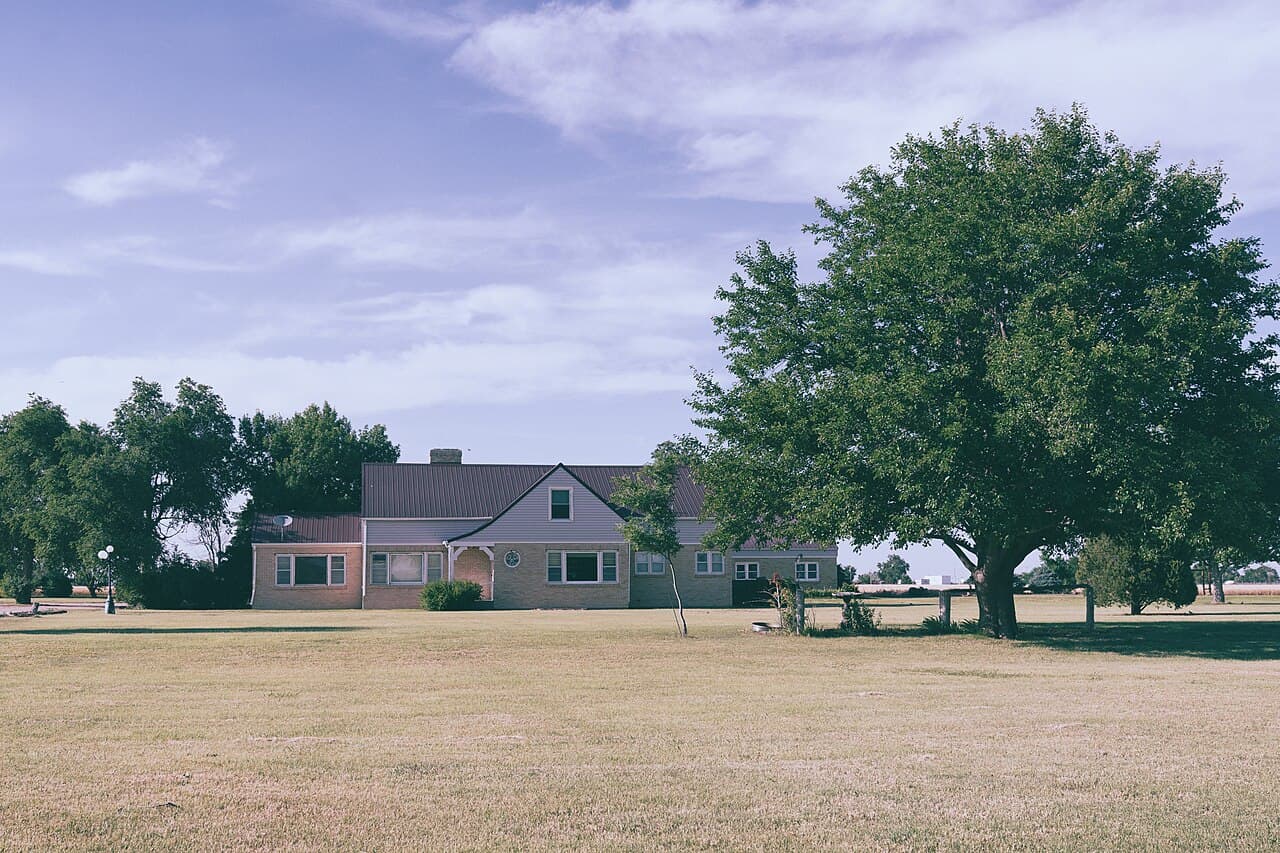
Four members of the Clutter family were murdered in their Holcomb, Kansas farmhouse in 1959, inspiring Truman Capote's "In Cold Blood.
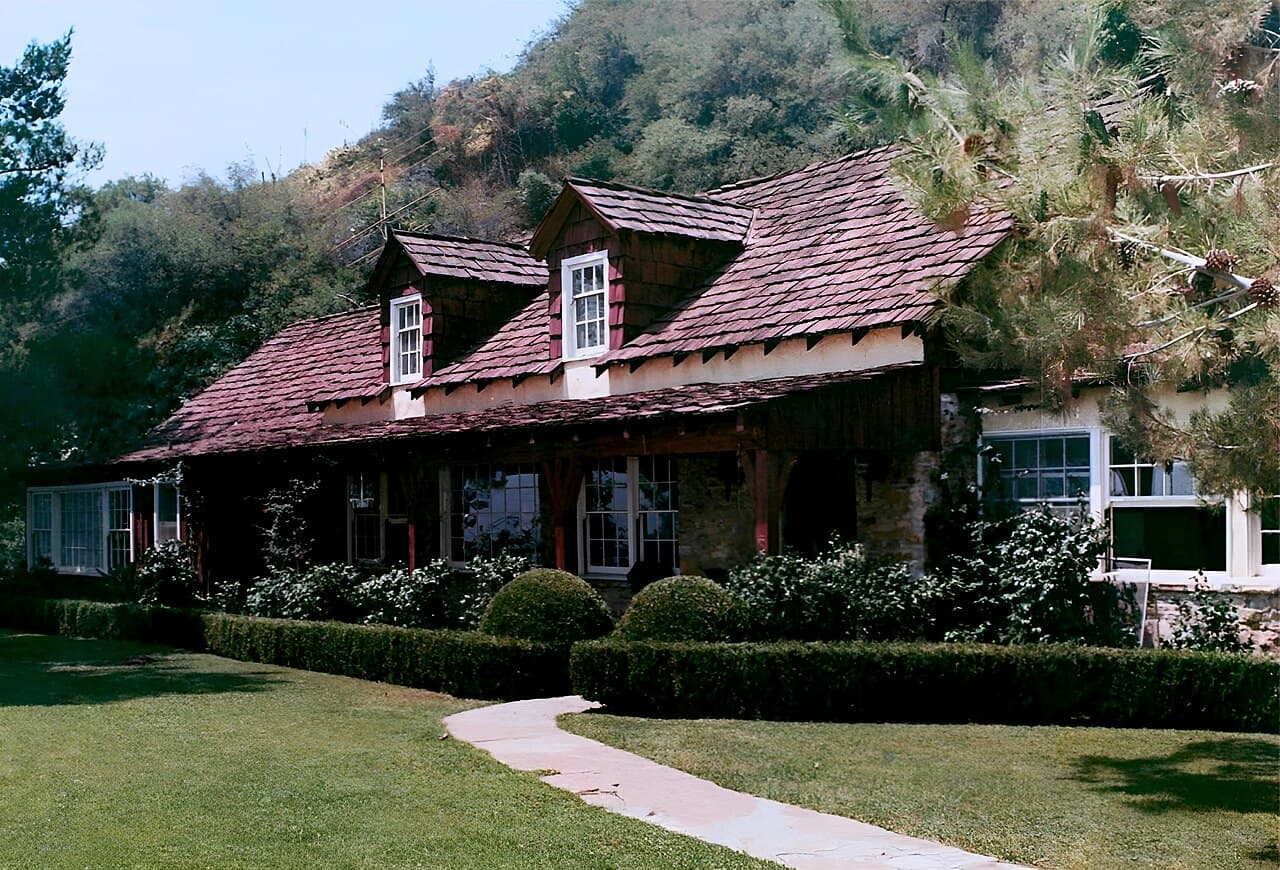
The house where the Manson Family killed 6 people, including Sharon Tate.
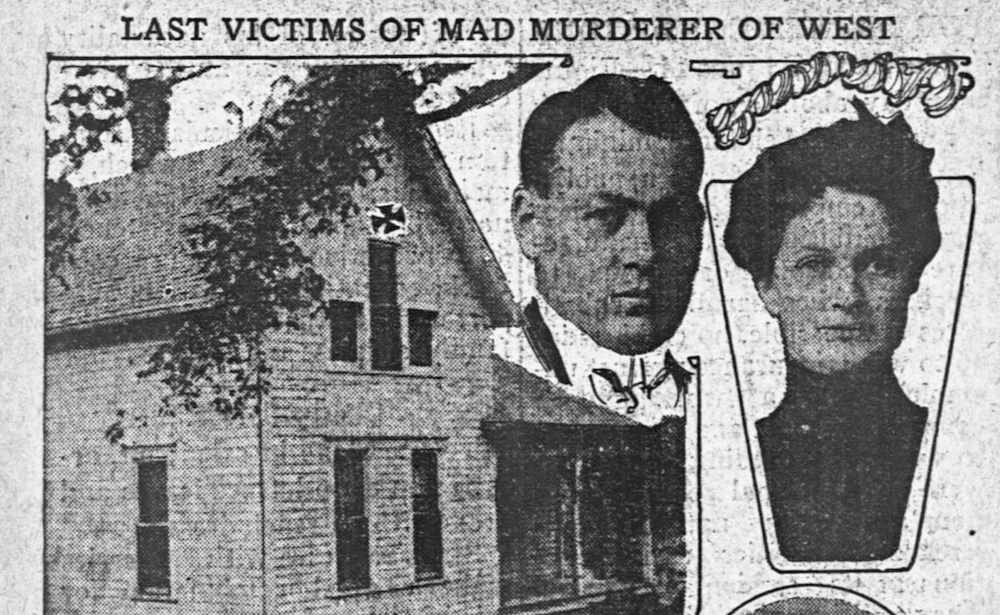
In 1912, eight members of the Moore family and two houseguests were murdered in their beds in this small Iowa town.
A Quick Note From Our Founder
Morbid Tourism is independently researched and maintained by one person. Every location is fact-checked, verified, and mapped so you can find exactly what you're looking for. If this page helped you, a coffee keeps the research going.