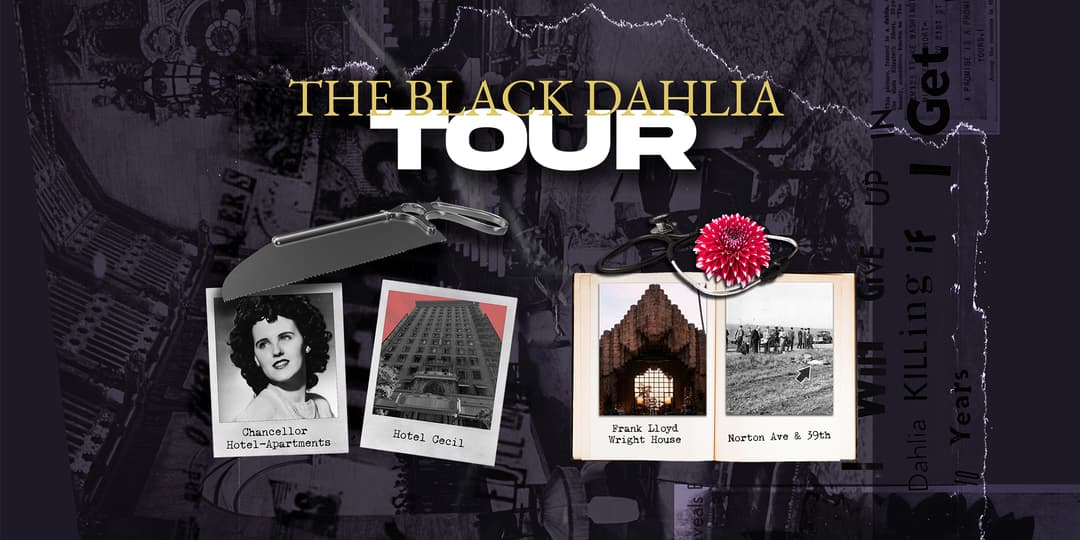
3825 S Norton Avenue, Los Angeles, CA 90018
ADVERTISEMENT
This page contains affiliate links. We may earn a small commission at no extra cost to you.
Author: Jewls Krueger
On January 15, 1947, the mutilated, bisected body of 22 year old Elizabeth Short was found in a vacant lot in the Leimert Park section of Los Angeles. Nicknamed the Black Dahlia by the Los Angeles press, Short's killing became one of the most famous unsolved murders in American history. More than 150 suspects and 500 people who came forward to confess in the decades since have never yielded an arrest.
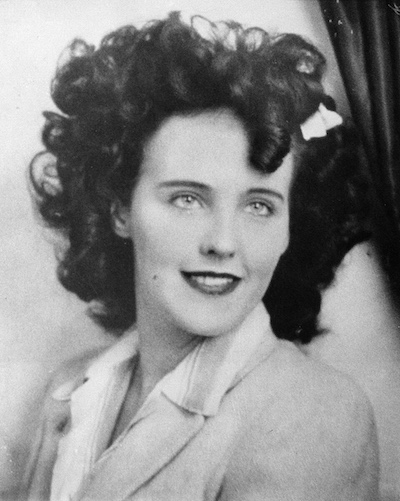
Elizabeth Short was born on July 29, 1924 in the Hyde Park section of Boston, Massachusetts, the third of five daughters of Cleo Alvin Short Jr. and Phoebe May Sawyer Short. In 1927, the family settled in Medford, a suburb of Boston. Short's father built miniature golf courses until he lost his savings in the 1929 stock market crash. In 1930, his car was found abandoned on the Charlestown Bridge in Boston and he was presumed to have jumped into the Charles River. Twelve years later, the family learned he had actually left them to start a new life in California.
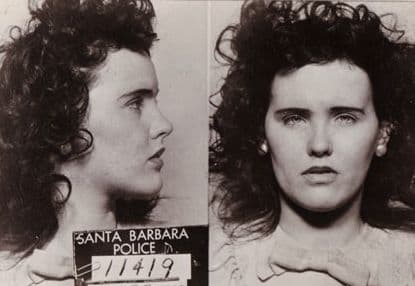
Short suffered from severe asthma and bronchitis as a child and had lung surgery at 15. Beginning in her mid teens, she spent winters in Miami, Florida to escape the New England cold. At 18, she moved to Vallejo, California to live with her long absent father, but the two clashed and she quickly moved out to work at the Camp Cooke Post Exchange near Lompoc. In September 1943, she was arrested in Santa Barbara for underage drinking at a bar and sent back to Massachusetts by juvenile authorities. She spent the next several years bouncing between Massachusetts, Florida, and California. In Florida she met and became engaged to Army Air Force Major Matthew Michael Gordon Jr., who was killed in an August 1945 plane crash in India shortly before the war ended.
In July 1946, Short moved to Los Angeles to visit her friend and Army Air Force lieutenant Joseph Gordon Fickling. Though often described as an aspiring actress, she had no known acting credits or jobs during her time in Los Angeles.
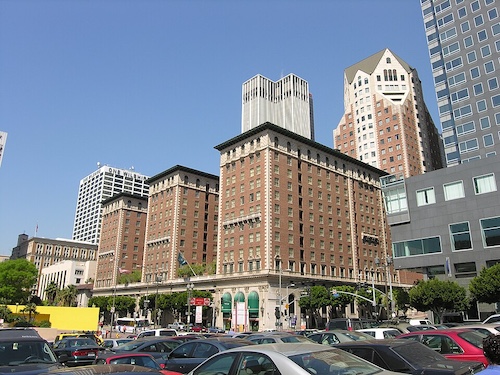
Between December 1946 and January 1947, Short traveled to San Diego. On January 8, 1947, a married salesman named Robert "Red" Manley offered to drive her to Los Angeles, where she said she needed to meet her sister who was visiting from Boston. The next day, January 9, 1947, Manley dropped her off at the Biltmore Hotel in downtown Los Angeles at approximately 6:30 p.m. Staff at the Biltmore reportedly saw her using the lobby telephone. She was allegedly later spotted at the Crown Grill Cocktail Lounge at 754 South Olive Street, less than half a mile from the Biltmore. Her whereabouts between the night of January 9 and the morning of January 15, 1947 remain unknown.
On January 15, 1947, while walking with her three-year-old daughter toward the cobbler, Betty Bersinger spotted a figure laying flat in the distance. As she and her toddler daughter approached what looked like a discarded department-store mannequin, Bersinger realized her eyes had deceived her. There, severed in half bilaterally, was the naked corpse of 22-year-old Elizabeth Short — later known as Black Dahlia — mutilated and completely drained of blood (this made Short's body appear unnaturally white, like a mannequin). Bersinger ran to a neighbor's home to call the police.
ADVERTISEMENT
Los Angeles County Coroner Frederick Newbarr conducted the autopsy on January 16, 1947. The lower half of Short's body had been positioned about a foot from the torso, both segments apparently washed clean by the killer. In addition to several lacerations on her thighs and breasts and obvious manipulation of the limbs so as to pose her body, her face bore what has since become the most famous facet of the crime, a pair of matching cuts extending from the corners of the mouth to each ear, creating what forensic investigators later described as a "Glasgow smile." Ligature marks were noted on her wrists, ankles, and neck.
Due to the lack of blood surrounding the scene, investigators determined that the murder had happened elsewhere. Newbarr concluded that Short's body had been cut in half after death using a hemicorporectomy technique first taught in the 1930s, in which the two halves are separated at the lumbar spine between the second and third vertebrae. Elizabeth Short's official cause of death was hemorrhage and shock from blows to the head and face.
Book Recommendation
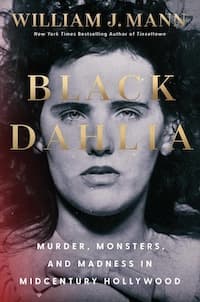
A must-read for anyone interested in the Black Dahlia case, author William J. Mann spent five years researching long-lost case files to deliver the most comprehensive study of the case ever written.
Buy on Amazon →By purchasing through this link, we may earn a small commission at no extra cost to you. Thank you for supporting our work!
Short's murder immediately became a media sensation, with the Los Angeles Examiner selling nearly as many copies the following day as it had on any day in its history other than the announcement of the Allied victory in World War II. Los Angeles newspapers of the period had a habit of assigning nicknames to particularly lurid crimes, and reporters posthumously gave Short the name "The Black Dahlia," which is widely believed to have been inspired by the 1946 film noir "The Blue Dahlia" starring Alan Ladd and Veronica Lake.
Detectives Harry Hansen and Finis Brown of the Los Angeles Police Department were assigned to lead the investigation, which produced more than 150 initial suspects but no arrests. Robert "Red" Manley, the last known person to see Short alive, was interrogated at length before being cleared following a polygraph. On January 24, 1947, an anonymous package addressed to the Los Angeles Examiner arrived containing Short's birth certificate, Social Security card, personal photographs, and the address book of a Los Angeles nightclub owner named Mark Hansen. The items had been soaked in gasoline in an apparent effort to remove fingerprints. Multiple letters signed "The Black Dahlia Avenger" followed, but investigators were never able to confirm which, if any, had actually come from the killer.
Later suspects included Dr. Walter Bayley, a Los Angeles surgeon whose home was one block from where the body was found; Dr. George Hodel, whose son Steve Hodel, a retired LAPD homicide detective, later accused him in a series of books; folk singer Woody Guthrie (cleared); and Leslie Dillon, an ex-hotel bellhop later held illegally by an LAPD squad who fell out of favor as a suspect once his story was corroborated. By the spring of 1947, the case was officially a cold case. Elizabeth Short was buried at Mountain View Cemetery in Oakland, California on January 25, 1947. Her murder has never been solved.
Elizabeth Short's remains were found halfway between West 39th and Coliseum Street, in the Leimert Park area of Los Angeles. The vacant lot is now a horizon of well-manicured homes, but you can locate the precise spot by stepping 54 feet north and 3 feet west of the fire hydrant outside of 3831 South Norton Avenue. Though this trajectory will land you on the front yard of 3825 South Norton Avenue, it is an occupied residence. Please be respectful of the current residents and do not attempt to go onto their property. Stay on public streets at all times.
ADVERTISEMENT
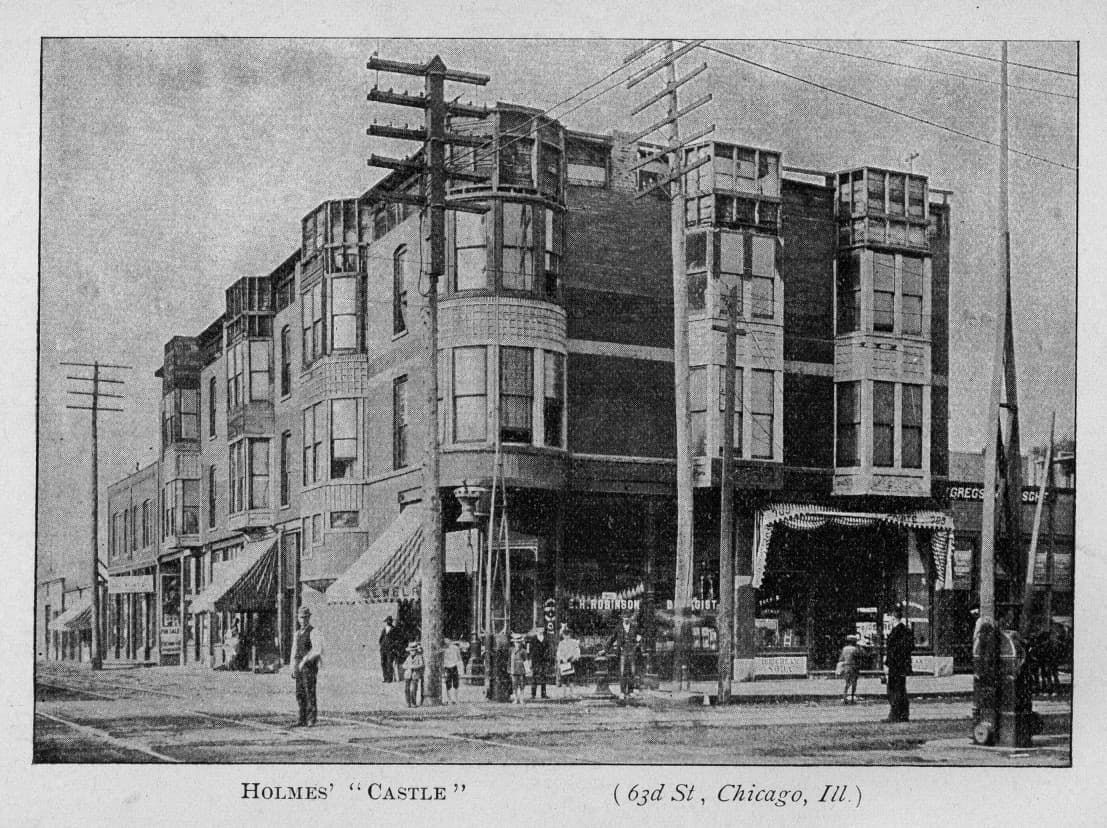
The "Castle" where serial killer HH Holmes lured and murdered his many victims.
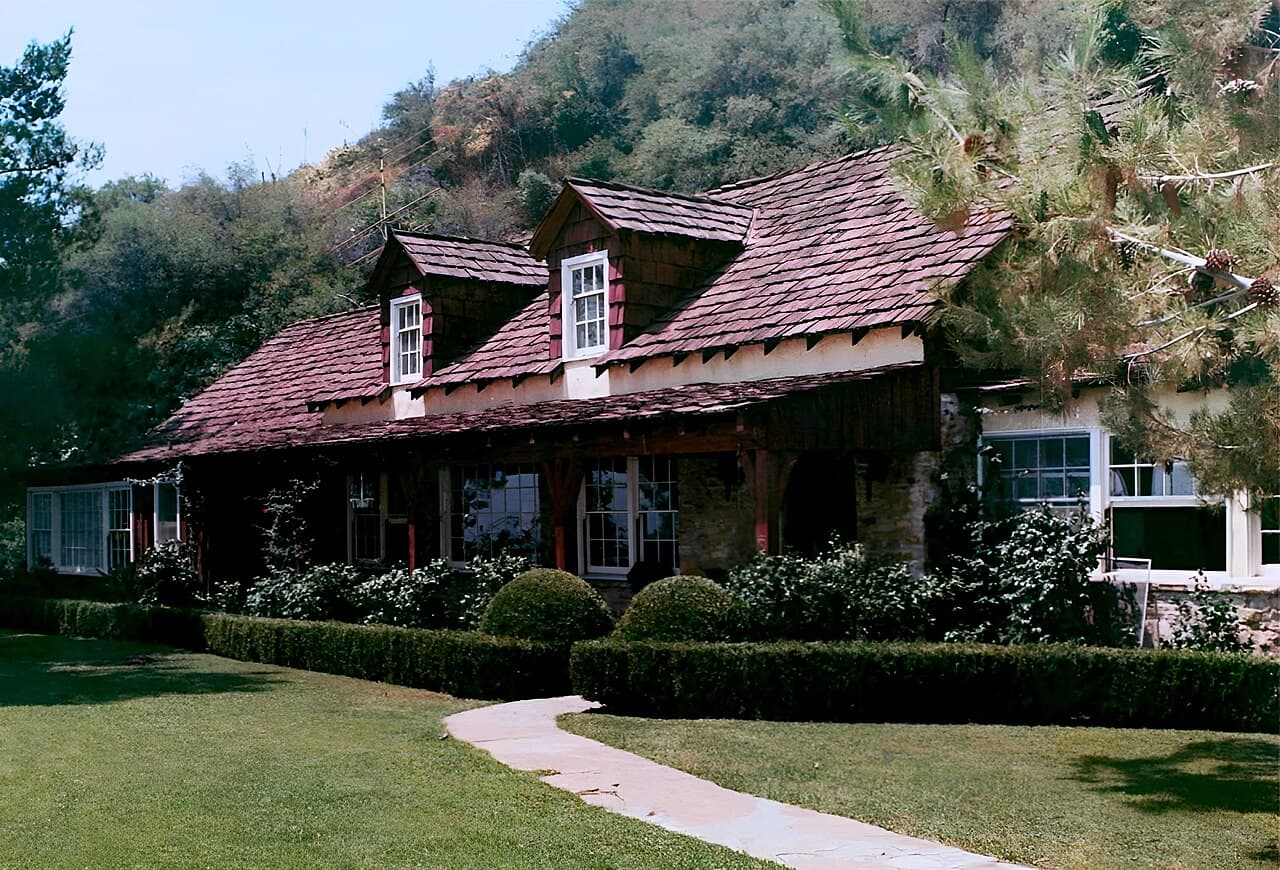
The house where the Manson Family killed 6 people, including Sharon Tate.
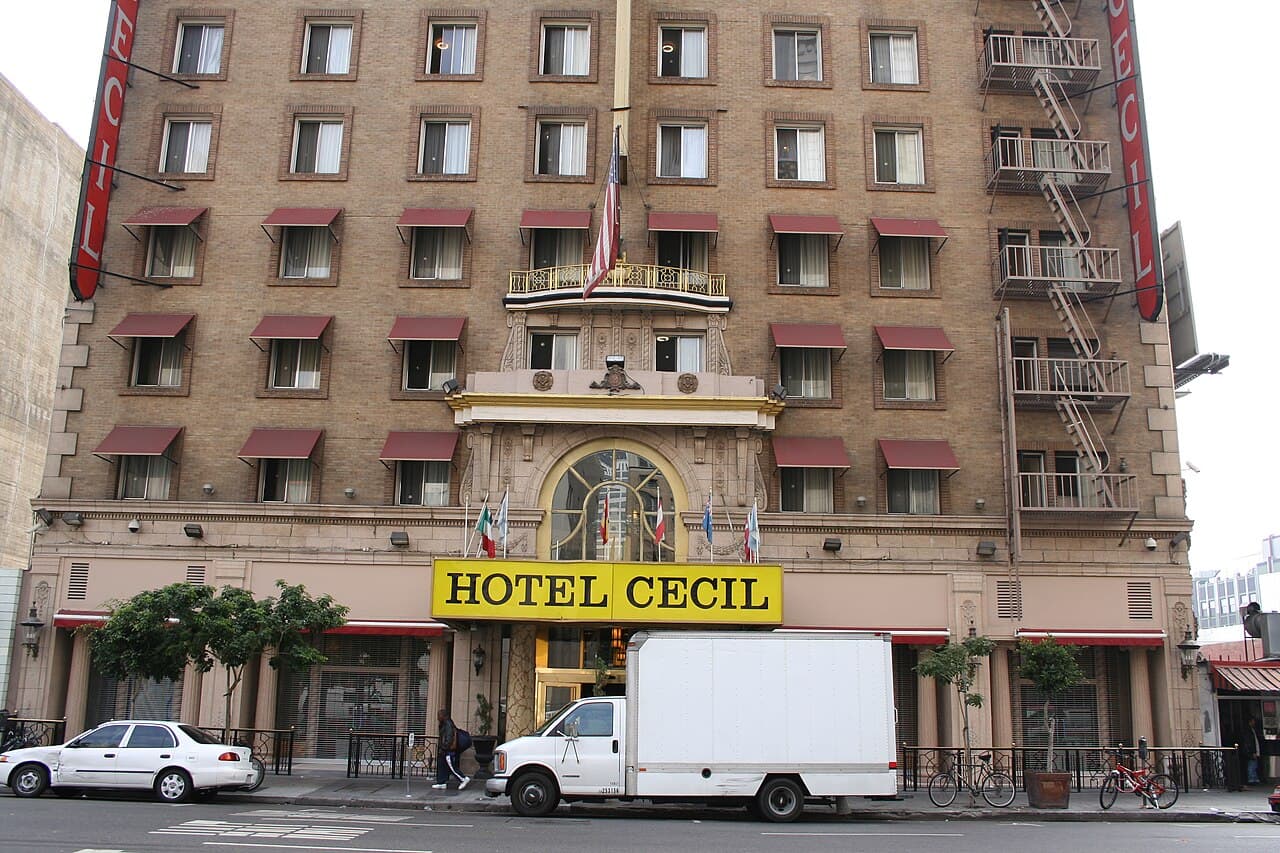
The infamous & seedy Los Angeles hotel where Night Stalker Richard Ramirez once lived.
A Quick Note From Our Founder
Morbid Tourism is independently researched and maintained by one person. Every location is fact-checked, verified, and mapped so you can find exactly what you're looking for. If this page helped you, a coffee keeps the research going.