2433 N. Lincoln Ave, Chicago, IL 60614
This page contains affiliate links. We may earn a small commission at no extra cost to you.
Author: Jewls Krueger
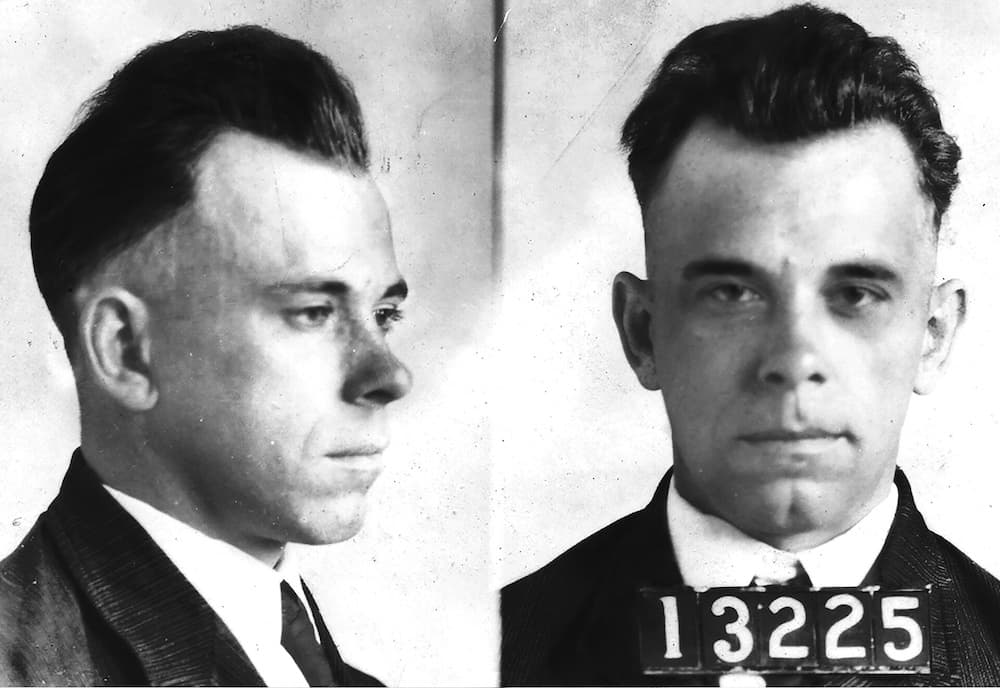
On the warm summer night of July 22, 1934, notorious bank robber and FBI "Public Enemy Number One" John Dillinger was shot and killed by federal agents in the alley next to the Biograph Theater in Chicago, Illinois.
His death ended one of the most intense manhunts in American history and helped cement the reputation of the young Federal Bureau of Investigation under director J. Edgar Hoover.
John Herbert Dillinger Jr. was born June 22, 1903 in Indianapolis, Indiana. After a troubled adolescence and a stint in the U.S. Navy, he served nearly nine years in the Indiana State Prison for an armed grocery store robbery. Released in May 1933 during the depths of the Great Depression, Dillinger embarked on a 14 month crime spree that included a dozen bank robberies across the Midwest, three jail breaks, and the deaths of several lawmen and civilians.
In June 1934, Attorney General Homer Cummings formally labeled Dillinger "Public Enemy Number One," and the newly empowered Division of Investigation, soon to be renamed the Federal Bureau of Investigation, made his capture its top priority. Dillinger had recently undergone crude plastic surgery to alter his face and fingerprints in a Chicago safehouse, and was hiding out in the city under the alias "Jimmy Lawrence."
The break in the case came from Ana Cumpănaș, a 42 year old Romanian immigrant who ran a brothel on Chicago's North Side and is widely remembered as "the Lady in Red," although she actually wore an orange dress that night. Cumpănaș was facing deportation proceedings, and through her friend Polly Hamilton, a Chicago waitress who was dating Dillinger, she had come to know him personally.
In exchange for help with her immigration status and a reward, Cumpănaș agreed to tip off federal authorities the next time Dillinger went out in public with her and Hamilton. On the evening of July 22, 1934, the three of them went to see the gangster film "Manhattan Melodrama," starring Clark Gable, at the Biograph Theater at 2433 North Lincoln Avenue in the Lincoln Park neighborhood of Chicago.
While the trio was inside the theater, FBI Special Agent in Charge Melvin Purvis and a team of federal agents and East Chicago police officers took up positions on the sidewalk and across the street.
At approximately 10:30 p.m., as the movie ended and Dillinger walked out of the theater with the two women, Purvis lit a cigar as a prearranged signal to his men. Realizing he had been ambushed, Dillinger reportedly reached for a pistol in his pocket and tried to run into the narrow alley just south of the theater. Federal agents opened fire, hitting him three times.
Dillinger was pronounced dead at Alexian Brothers Hospital a short time later at the age of 31. His body was taken to the Cook County Morgue, where for nearly 24 hours members of the public were allowed to file past it, with crowds estimated in the tens of thousands.
Further Reading
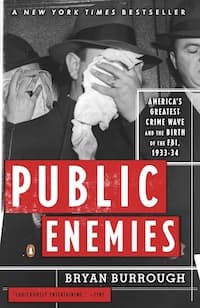
Despite Cumpănaș's cooperation, federal authorities did not block her deportation, and she was sent back to Romania in 1936. She died in 1947. Polly Hamilton was questioned but never charged. The FBI used Dillinger's death as a major publicity victory, helping to fuel the reputation of J. Edgar Hoover and Special Agent Melvin Purvis.
In the decades since, persistent conspiracy theories have suggested that the man killed at the Biograph was actually a Dillinger look alike named Jimmy Lawrence and that the real Dillinger escaped. The FBI has consistently rejected these theories, citing matching fingerprints and dental records, but a 2019 attempt by family members to exhume Dillinger's body to put the matter to rest was eventually called off.
The Biograph Theater still stands at 2433 North Lincoln Avenue in Chicago's Lincoln Park neighborhood. Originally opened in 1914 as a movie house, it was added to the National Register of Historic Places in 1996 and was designated a Chicago Landmark in 2001.
In 2004, the building was purchased and restored by the Victory Gardens Theater company, which converted it into a live performance venue. It now operates as the Gary Marshall Theater, a working off Loop theater. The narrow alley just south of the building where Dillinger fell still remains.
The site continues to draw curious visitors, and each year on the anniversary of the shooting, true crime enthusiasts and history buffs gather outside the theater to retrace Dillinger's final steps. Please be respectful of theatergoers and patrons, stay on public sidewalks at all times, and do not block the entrance or alley during performances.
Explore Chicago on a Crime and Mob Bus Tour. Escape into the city's underworld and learn about infamous gangsters and mobsters like Al Capone and John Dillinger.
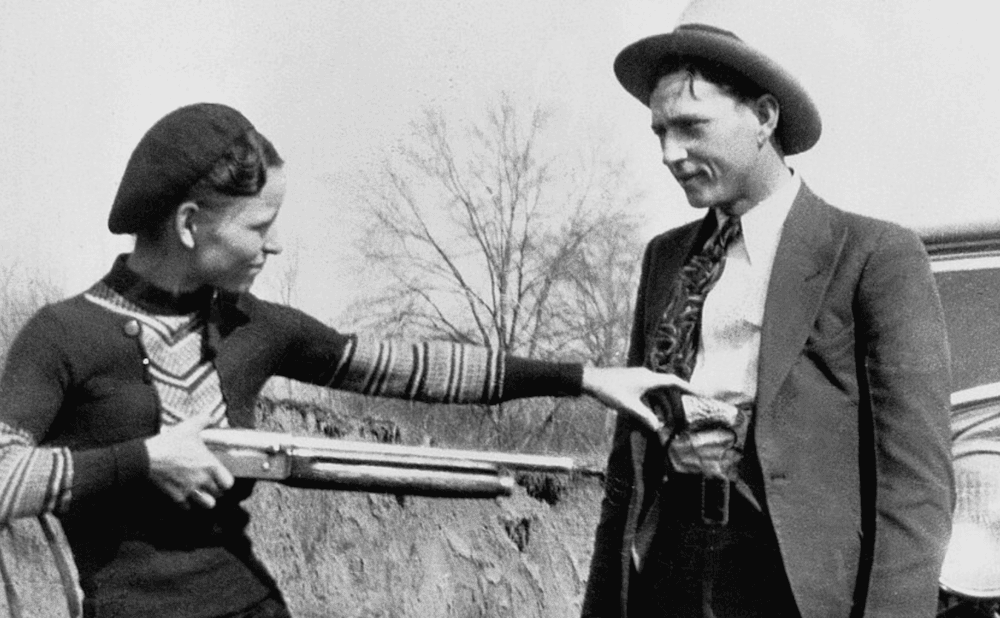
Infamous outlaw couple Bonnie Parker and Clyde Barrow were ambushed and killed by lawmen on a rural Louisiana road in 1934.
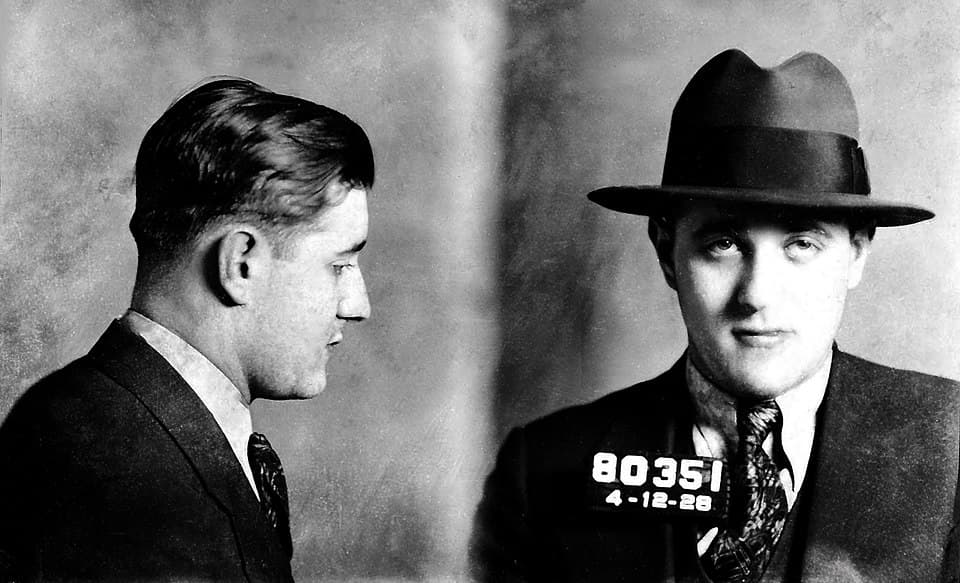
Mob boss Bugsy Siegel was shot dead through the window of his Beverly Hills home in 1947.
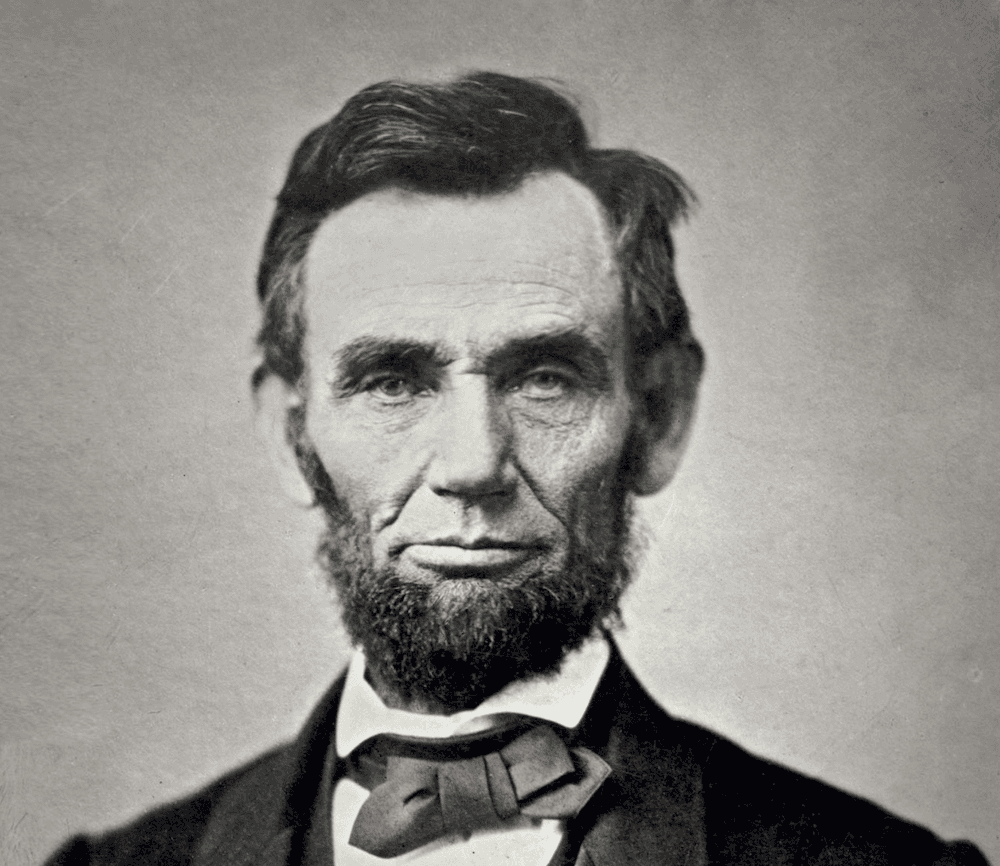
President Abraham Lincoln was fatally shot at Ford's Theater by John Wilkes Booth in 1865.
A Quick Note From Our Founder
Morbid Tourism is independently researched and maintained by one person. Every location is fact-checked, verified, and mapped so you can find exactly what you're looking for. If this page helped you, a coffee keeps the research going.