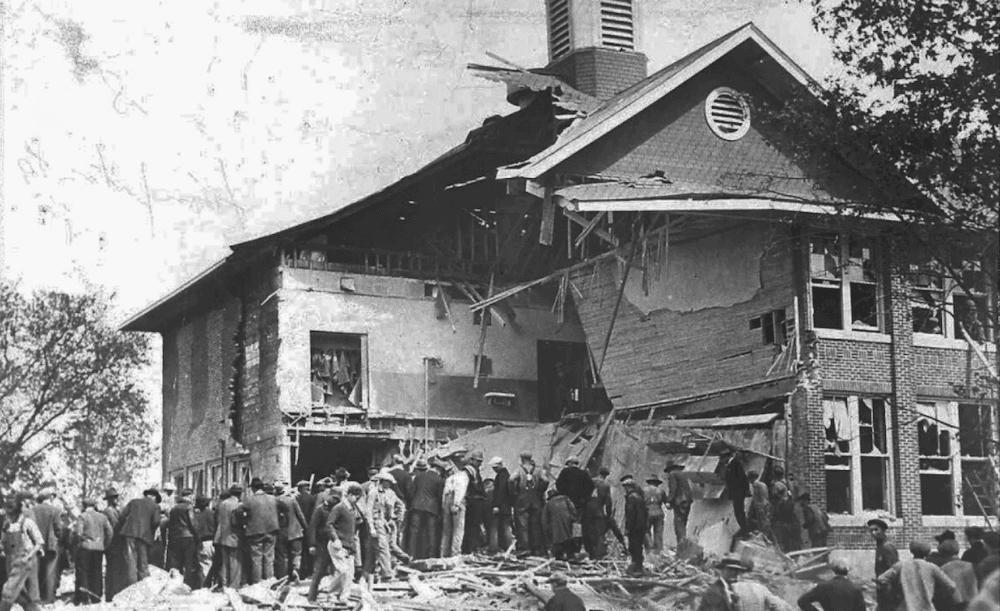
Coords: 42.8168326, -84.4498375
ADVERTISEMENT
This page contains affiliate links. We may earn a small commission at no extra cost to you.
Author: Jewls Krueger
On the morning of May 18, 1927, a farmer and school board member named Andrew Kehoe detonated hundreds of pounds of explosives he had spent months hiding beneath the Bath Consolidated School in Bath Township, Michigan. The attack killed 38 children and 7 adults, including Kehoe and his wife, and injured 58 more.
Nearly a century later, the Bath School disaster remains the deadliest act of mass murder at a school in American history.
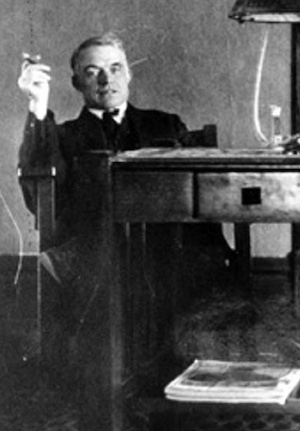
Andrew Kehoe -Public Domain
Andrew Philip Kehoe was born February 1, 1872 in Tecumseh, Michigan, and trained as an electrical engineer at Michigan State College. By the 1920s, he was a 50 year old farmer living with his wife Ellen "Nellie" Price Kehoe on a property outside Bath Township, a rural farming community of about 300 people roughly 10 miles northeast of Lansing.
In 1922, Bath Township opened the Bath Consolidated School, a single building that brought all of the area's students under one roof. The construction was funded by an increase in property taxes, which Kehoe deeply resented. In 1924, he was elected as both treasurer and trustee on the Bath school board, and spent the next several years feuding with school superintendent Emory Huyck over the tax burden.
In April 1926, Kehoe lost a bid for Bath Township Clerk, an office he had been appointed to fill the year before. In June 1926, he was notified that his farm was facing foreclosure. By the summer of 1926, while doing repair work at the school, he began secretly hiding explosives in the basement.
The Bath School after the Bombing - Public Domain
Over the course of nearly a year, Kehoe smuggled more than 600 pounds of dynamite and pyrotol, a surplus World War I explosive he had purchased legally, into the basement of the school and his own farm buildings.
A day or so before the attack, Kehoe murdered his wife Nellie at their home. On the morning of May 18, 1927, he set incendiary devices that destroyed all of his farm buildings. At 9:45 a.m., as firefighters and neighbors responded to the smoke at the Kehoe farm, an alarm clock timer set off the explosives planted in the school. The north wing collapsed, killing 36 children and 2 teachers instantly. Another child would die from injuries nearly a year later.
About 30 minutes after the first explosion, as rescuers worked through the rubble, Kehoe drove up to the school in a truck packed with dynamite, scrap metal, and nails. He called out to superintendent Emory Huyck, then fired a Winchester Model 54 bolt action rifle into the back of the truck. The resulting blast killed Kehoe, Huyck, two other adults, and a child who had escaped the original explosion.
Further Reading

Searchers later discovered another roughly 500 pounds of unexploded dynamite and pyrotol in the basement of the school's south wing. Had it detonated, the entire building would likely have been destroyed.
The motive was never officially established. Investigators found a sign wired to a fence at Kehoe's burning farm that read, "Criminals are made, not born."
The damaged section of the Bath Consolidated School was demolished after the bombing. On September 15, 1927, Michigan U.S. Senator James Couzens donated $75,000 of his own money to build a new wing, which was dedicated as the James Couzens Agricultural School on August 18, 1928. At the dedication, a sculpture titled "Girl with a Cat" by University of Michigan artist Carleton W. Angell, paid for with pennies donated by Michigan schoolchildren, was unveiled inside the new school.
The James Couzens Agricultural School itself was demolished in 1975. The site, located on Main Street in Bath, was redeveloped that same year into the James Couzens Memorial Park. The park's centerpiece is the original cupola of the Bath Consolidated School, which was the only major piece of the destroyed north wing recovered intact after the bombing. A Michigan Historical Marker was installed at the park in 1991, and a bronze plaque listing the names of all the victims sits on a large stone near the park's entrance.
The park is open to the public during daylight hours and sits in a quiet residential section of Bath. Please be respectful of the surrounding neighborhood, follow all posted signage, and remember that this remains a place of mourning for a small community that lost a generation of children in a single morning.
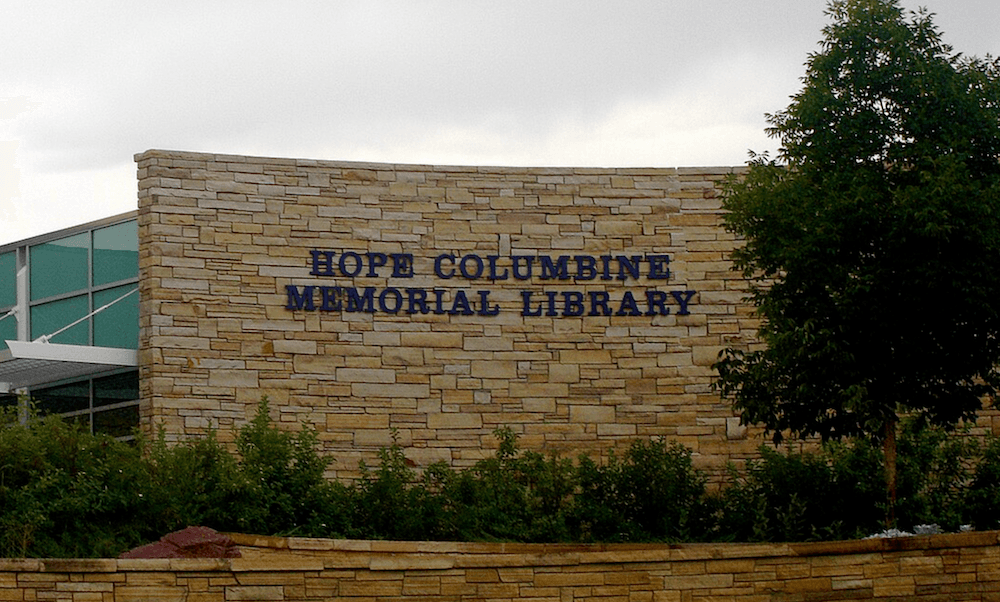
Two teenage boys killed 13 of their classmates in a shooting that shocked the nation.
The Philadelphia Police Department bombed a neighborhood killing 11 people.
The location of the deadliest domestic terror attack to ever happen on US soil.
A Quick Note From Our Founder
Morbid Tourism is independently researched and maintained by one person. Every location is fact-checked, verified, and mapped so you can find exactly what you're looking for. If this page helped you, a coffee keeps the research going.