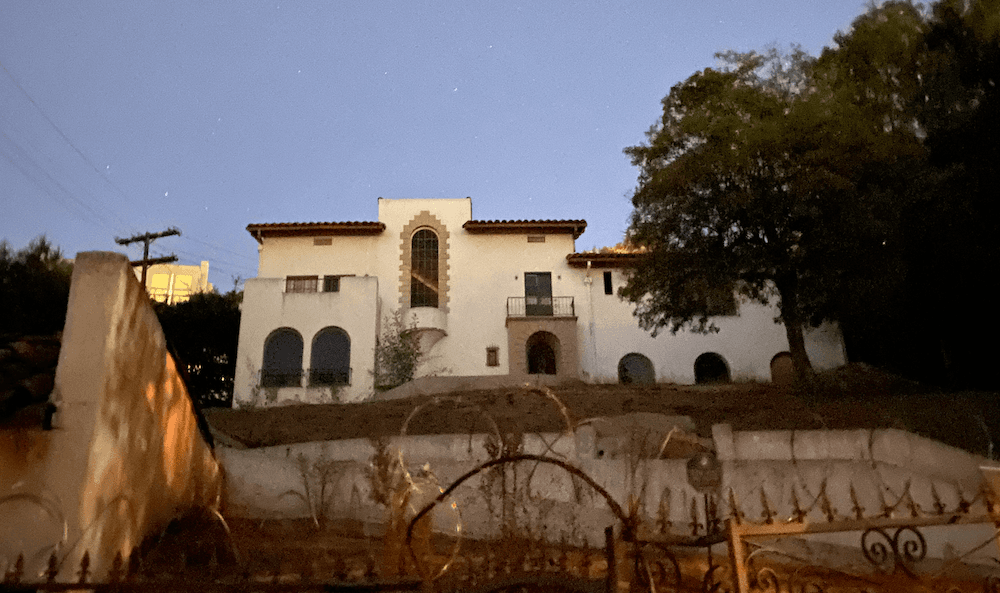
2475 Glendower Pl., Los Angeles, CA 90027
ADVERTISEMENT
This page contains affiliate links. We may earn a small commission at no extra cost to you.
Author: Jewls Krueger
In the early morning hours of December 6, 1959, a respected cardiologist named Dr. Harold Perelson attacked his family inside a Spanish Revival mansion perched on a hilltop in the Los Feliz neighborhood of Los Angeles. He killed his sleeping wife, Lillian, with a ball-peen hammer and then turned on his eldest daughter, who survived and fled for help. Perelson then took a fatal overdose. No official explanation for the killings was ever made public.
For decades afterward the house sat vacant, gathering rumors, ghost stories, and a steady stream of curious visitors. It became one of the most notorious properties in Los Angeles, known simply as the Los Feliz Murder Mansion.
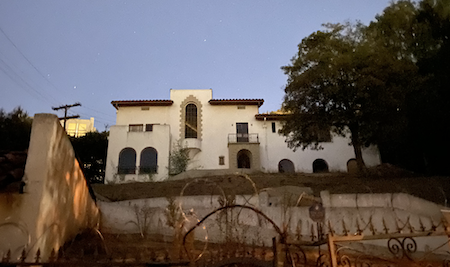
Harold Perelson was, by outward appearance, a successful man. Sources describe him as a heart specialist and a professor of cardiology who had published in medical journals. He purchased the home on Glendower Place in the early 1950s and moved in with his wife, Lillian, and their three children: Judye, Joel, and Debbie. To neighbors, the family seemed to be living a comfortable version of the American dream.
Beneath the surface, the family was reportedly under significant strain. According to later accounts, Perelson had invested heavily in a medical device of his own design and became entangled in a costly dispute with a business associate, draining the family's finances. He was also said to have suffered a series of health episodes that were later characterized as suicide attempts, and his wife was reportedly considering having him committed. These circumstances are frequently cited as possible context for what followed, but no motive was ever officially confirmed.
Sometime around dawn on December 6, 1959, Perelson took up a ball-peen hammer and struck his sleeping wife in the head, killing her. He then went into the room of his 18-year-old daughter, Judye, and struck her as well. In the dark his aim was off, and the blow was not fatal. Judye woke, screamed, and managed to get away from him, running from the house to alert neighbors, who had already begun to hear the commotion and call police.
Perelson's two younger children woke during the disturbance. He reportedly told them they were only having a nightmare and instructed them to go back to bed. A neighbor who entered the home before police arrived later said Perelson was agitated but still alive, and that he went to lie down. By the time officers reached the house, Perelson had taken a fatal overdose of Nembutal and other pills. All three children survived. Little has been publicly reported about their lives in the years since.
ADVERTISEMENT
The Los Feliz Murder Mansion owes much of its fame to a story that is more legend than fact. For years it was said that a family briefly rented the home after the killings, saw something that terrified them, and fled on the anniversary of the murders, leaving behind a fully decorated Christmas tree and wrapped gifts that sat untouched for decades.
The reality is more mundane. The house was sold at a probate auction around 1960 to Julian and Emily Enriquez, a Lincoln Heights couple who never lived there and used it mainly for storage. Their son, Rudy Enriquez, inherited the property in 1994 and kept it the same way. When Rudy eventually spoke about the home, he explained that the belongings visible through the windows, the wrapped packages, old furniture, and assorted odds and ends, were his own stored items, not the Perelsons'. Multiple accounts note there was no Christmas tree at all, only wrapping paper, aging magazines, an old television, and a can of Spaghetti-Os. The image of a home frozen exactly as it was in 1959 made for a powerful ghost story, but it was largely a myth built on Rudy's storage habits and the imaginations of trespassers.
After Rudy Enriquez died in 2015, the house went on the market for the first time in more than half a century, and its 2016 open house drew crowds of the curious. That year, attorney Lisa Bloom purchased the property for roughly $2.29 million, intending to renovate it and live there. The plan faltered when hillside building requirements proved prohibitively expensive, and Bloom stripped the home to its studs before listing it again in 2019. Around 2020, an investor purchased the gutted shell for about $2.35 million.
The property later appeared on the Netflix real estate series Buying Beverly Hills, where agents from The Agency and renowned architect Richard Landry discussed ambitious remodel plans. Those plans never came to fruition. According to public records, the home fell into default in late 2023 with more than $3 million past due and went into foreclosure. It was relisted in 2024 for roughly $3.649 million, still an unfinished shell with Landry's renderings attached, and had not sold as of the most recent reporting. Its real estate saga remains ongoing.
ADVERTISEMENT
The Murder Mansion sits at the top of a narrow, curving, one-lane stretch of Glendower Place in Los Feliz, just below Griffith Park. Climb the hill and the Spanish Revival mansion with its red tile roof comes into view at the crest, set behind a winding driveway and a slope that has spent years in visible disrepair. The home is heavily gated and posted with security signs, and even in its gutted state it retains the brooding, hollow-windowed look that made it a fixture of local ghost lore.
For a view of the rear of the house, visitors sometimes head to the famous Frank Lloyd Wright-designed Ennis House on nearby Glendower Avenue, one of Wright's celebrated textile block homes. The Murder Mansion lies to the southwest.
This remains private property in a residential neighborhood, and neighbors have long been frustrated by trespassers and late-night alarm triggers. If you visit, please stay on public roads and sidewalks, do not block the narrow lane, and do not enter the grounds or disturb residents nearby. This is a place tied to a real family's tragedy, and it deserves to be treated with respect.
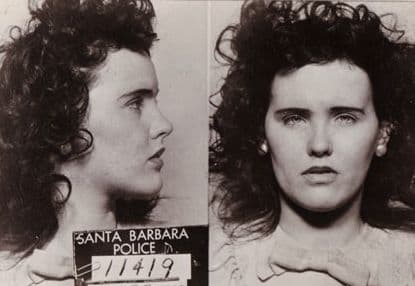
22-year-old Elizabeth Short's mutilated body was found in a Los Angeles vacant lot in 1947 in one of America's most famous unsolved cases.
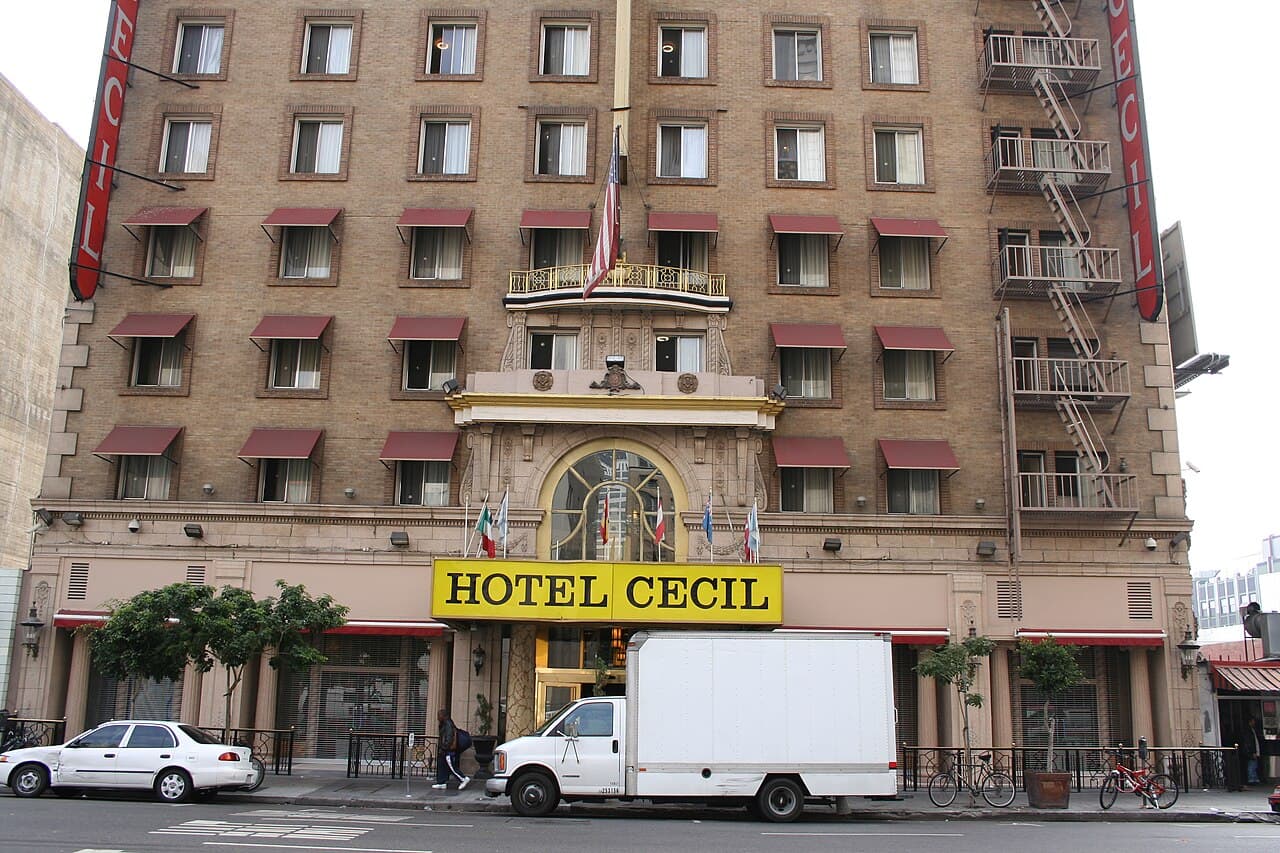
The infamous & seedy Los Angeles hotel where Night Stalker Richard Ramirez once lived.
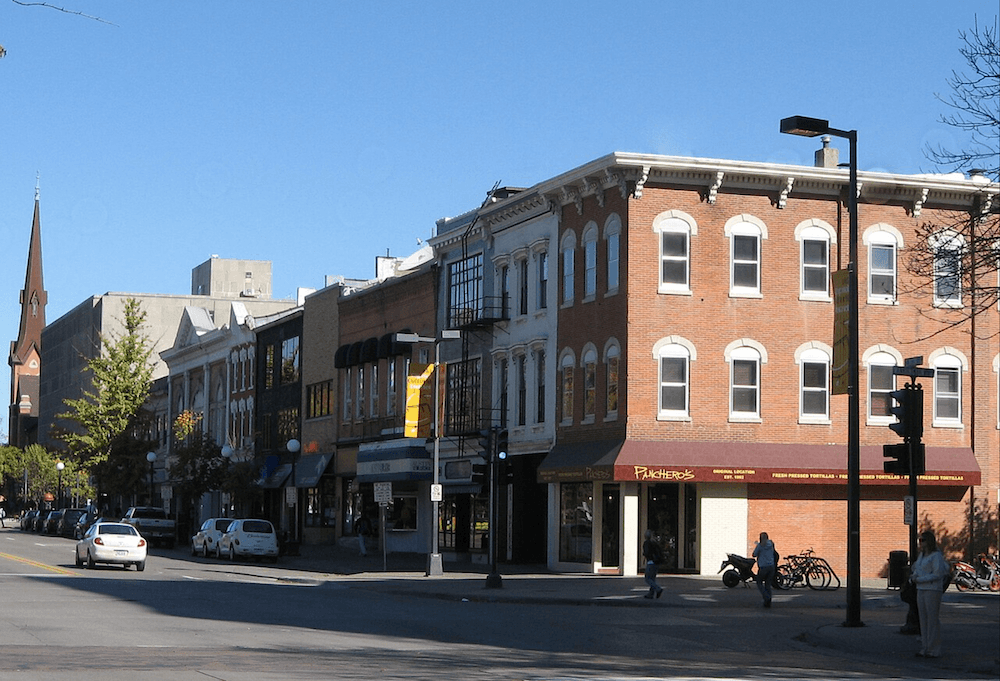
Steven Sueppel killed his wife and four children in their Iowa City home in 2008.
A Quick Note From Our Founder
Morbid Tourism is independently researched and maintained by one person. Every location is fact-checked, verified, and mapped so you can find exactly what you're looking for. If this page helped you, a coffee keeps the research going.