Coords: 47.553451, -100.906964
This page contains affiliate links. We may earn a small commission at no extra cost to you.
Author: Jewls Krueger
On a Thursday in April 1920, the Jacob and Beata Wolf family and their teenage hired hand were killed at their farm about three miles north of Turtle Lake, North Dakota. Seven members of the family died along with the chore boy, and only an eight-month-old baby survived.
More than a century later, the case is still widely described as the worst mass murder in North Dakota history. A neighbor confessed and was sent to prison, but questions about whether he acted alone, or whether he was guilty at all, have never fully settled.
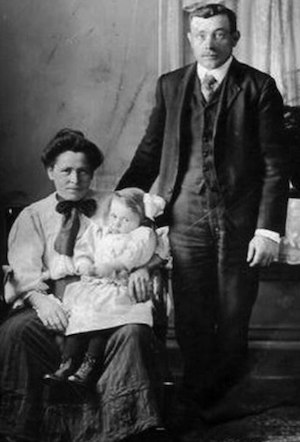
Jacob Wolf and his wife Beata were part of the German-Russian immigrant community that settled across the Dakotas after leaving the Russian Empire. Jacob was born in Russia in 1879 and came to the United States in 1902. He farmed near Turtle Lake, where he built up a quarter section of land, a two-story house, and a flock of sheep. Beata, born in 1885, married Jacob in 1905.
By the spring of 1920 the couple had six daughters. Five were killed: Bertha, twelve; Maria, nine; Edna, seven; Liddia, five; and Martha, three. The youngest, eight-month-old Emma, was the only member of the household to survive. Also killed was thirteen-year-old Jacob Hofer, the family's hired boy, who was related to Beata by marriage.
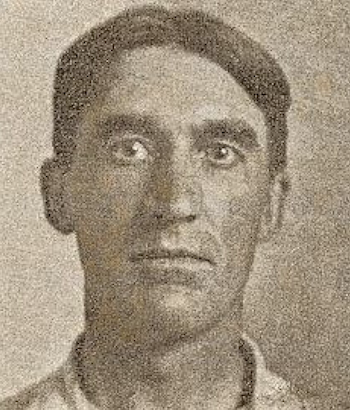
Henry Layer, born Heinrich Layer in 1884, was also a German-Russian immigrant. He came to the United States as a small child and grew up near Ashley, North Dakota, before moving with his second wife to a farm near Turtle Lake in 1916. He and Jacob Wolf were neighbors, and the two men had a running dispute. According to Prairie Public's Dakota Datebook, the conflict began after one of Wolf's dogs injured one of Layer's cows. To many people at the time, it seemed a small thing to set against what happened next.
The killings took place around midday on April 22, 1920. The family was attacked with a shotgun and a hatchet, and the farm then sat quiet for two days.
A neighbor named John Kraft went to the Wolf place on Saturday, April 24, after Jacob failed to pick up a piece of farm equipment he had planned to borrow. Kraft found the baby Emma alive in her crib, hungry and cold, and then found the bodies. Jacob and two of his daughters were in the barn, partly covered with hay and dirt. Beata, three more daughters, and Jacob Hofer were in the cellar beneath a trap door in the kitchen. Emma had been alone with them for roughly forty-eight hours.
Suspicion turned to Henry Layer within days. He and Wolf had quarreled, his whereabouts on the day of the murders were in question, and he was reported to have returned to the area of the crime. Layer was brought in and questioned at length, and after a long interrogation he signed a confession to all eight killings. Local accounts hold that he said he would have killed Emma too if he had known she was in the other room. By May 1920, only weeks after the crime, he had been sentenced to life in the state penitentiary in Bismarck.
Almost as soon as the case closed, doubts opened. Layer tried to withdraw his plea and stand trial, saying his confession had been beaten and coerced out of him. The courts denied his petition, and the North Dakota Supreme Court rejected his appeal. He maintained his innocence until he died in prison in March 1925, following surgery for appendicitis.
From the beginning, investigators had suspected that more than one person carried out the murders, and that suspicion never disappeared. The Wolfs and the Layers both belonged to a German-Russian community that had learned to keep a low profile, especially in the anti-German climate that followed World War I, and later researchers found that the story told in the community's own newspapers did not always match the official version. Emma's descendants and local historians have argued for years that Layer could not have acted alone, if he was involved at all. The case has since been the subject of a podcast series and a heavily researched historical novel, "The Murdered Family," written by former University of North Dakota professor Vernon Keel, who grew up three miles from the site.
Book Recommendation
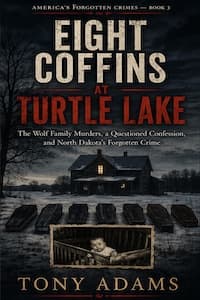
Eight Coffins at Turtle Lake by Tony Adams reconstructs the 1920 Wolf family murders from court records, old newspapers, and affidavits. It follows the coerced-confession claims, the one-day path to a life sentence, and the doubts North Dakota's courts refused to revisit. The deeper story behind the grave at Turtle Lake.
Buy on Amazon →By purchasing through this link, we may earn a small commission at no extra cost to you. Thank you for supporting our work!
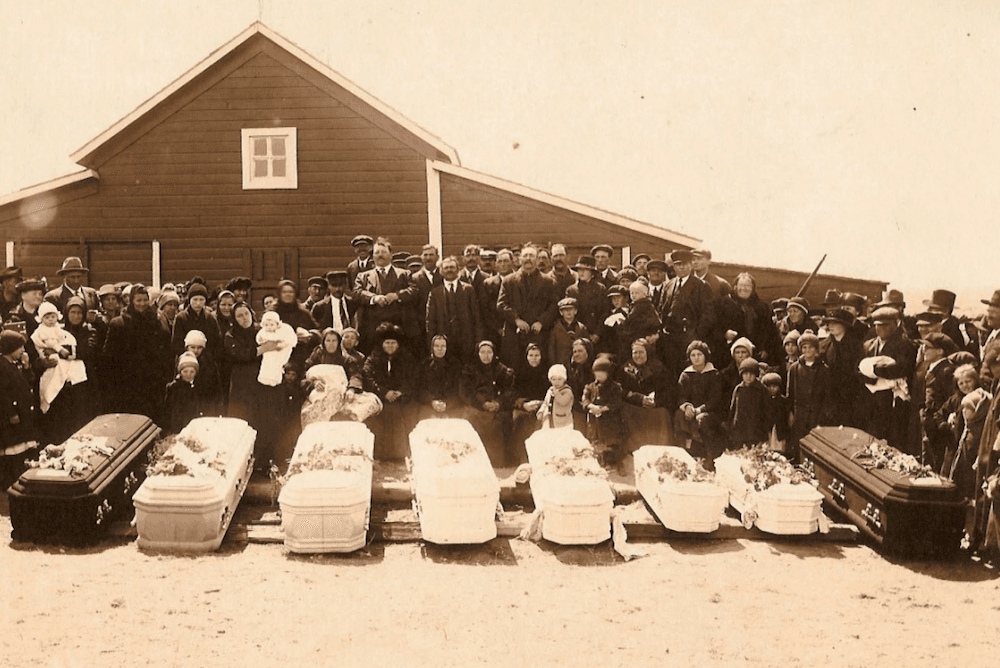
The farm sits in a secluded valley in McLean County, roughly three miles north of Turtle Lake. Most of the original buildings have been torn down, and what remains is a weathered farmstead behind a private, seldom-opened gate. It is private property, and there is nothing to see from any public road that would reward a trip. Visitors who want to pay their respects should go instead to the Turtle Lake Cemetery, where the eight victims were buried together in a single long grave. Eight small markers and a large monument stand over them, the big stone inscribed in German, "Die Ermordete Familie," meaning "The Murdered Family." More than 2,500 people are said to have attended the funeral in a town that then held fewer than 400.
The cemetery is a working community burial ground. Anyone visiting should treat it as one, keep to the public areas, leave the markers undisturbed, and remember that the people buried here still have descendants in the area who carry the story.
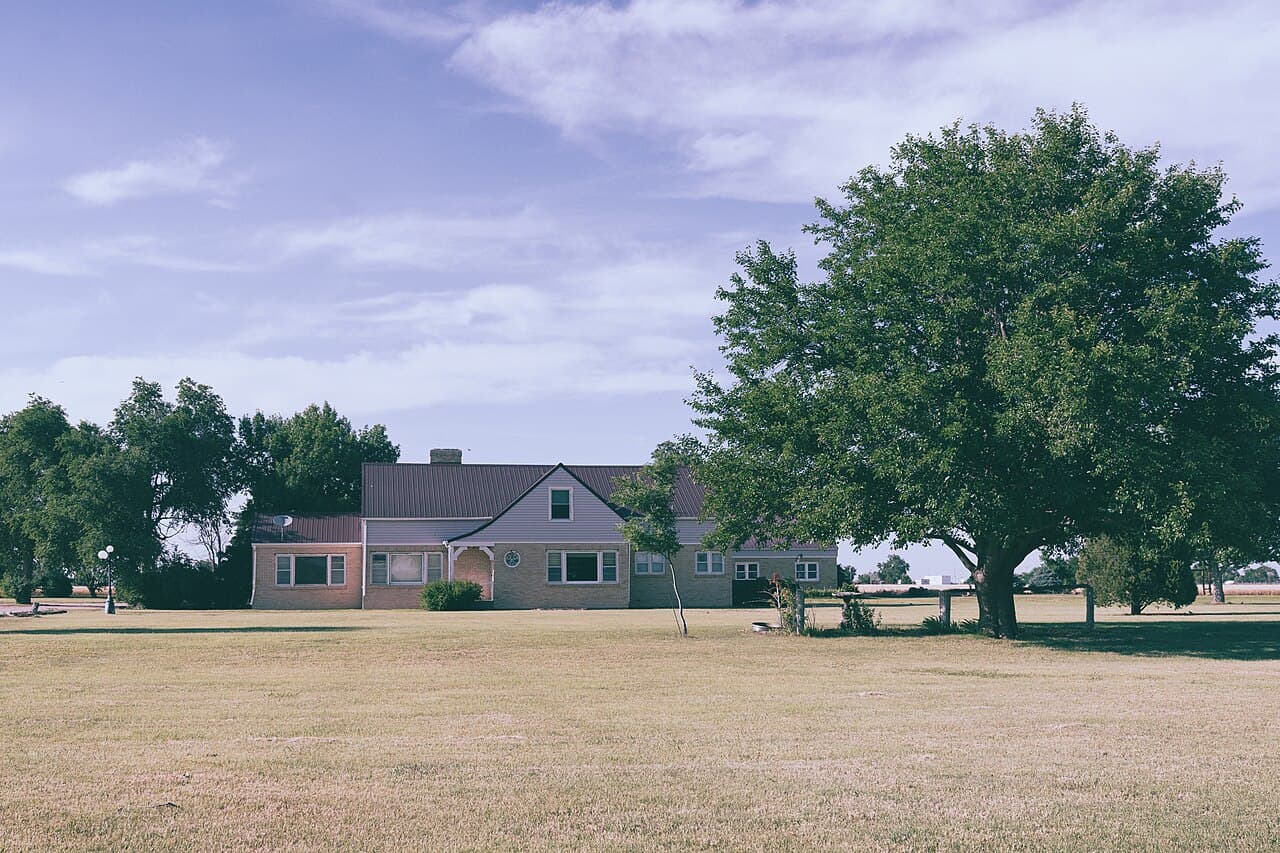
Four members of the Clutter family were murdered in their Holcomb, Kansas farmhouse in 1959, inspiring Truman Capote's "In Cold Blood.
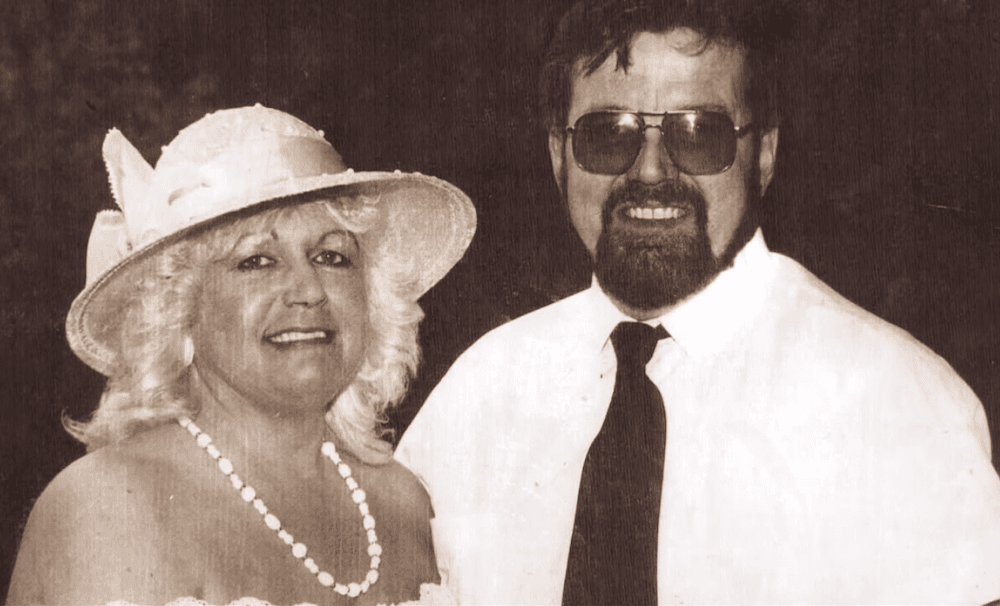
A married couple was shot in their sleep on their rural Darke County farm in 2003 by the husband's own son, who wanted to inherit the land.
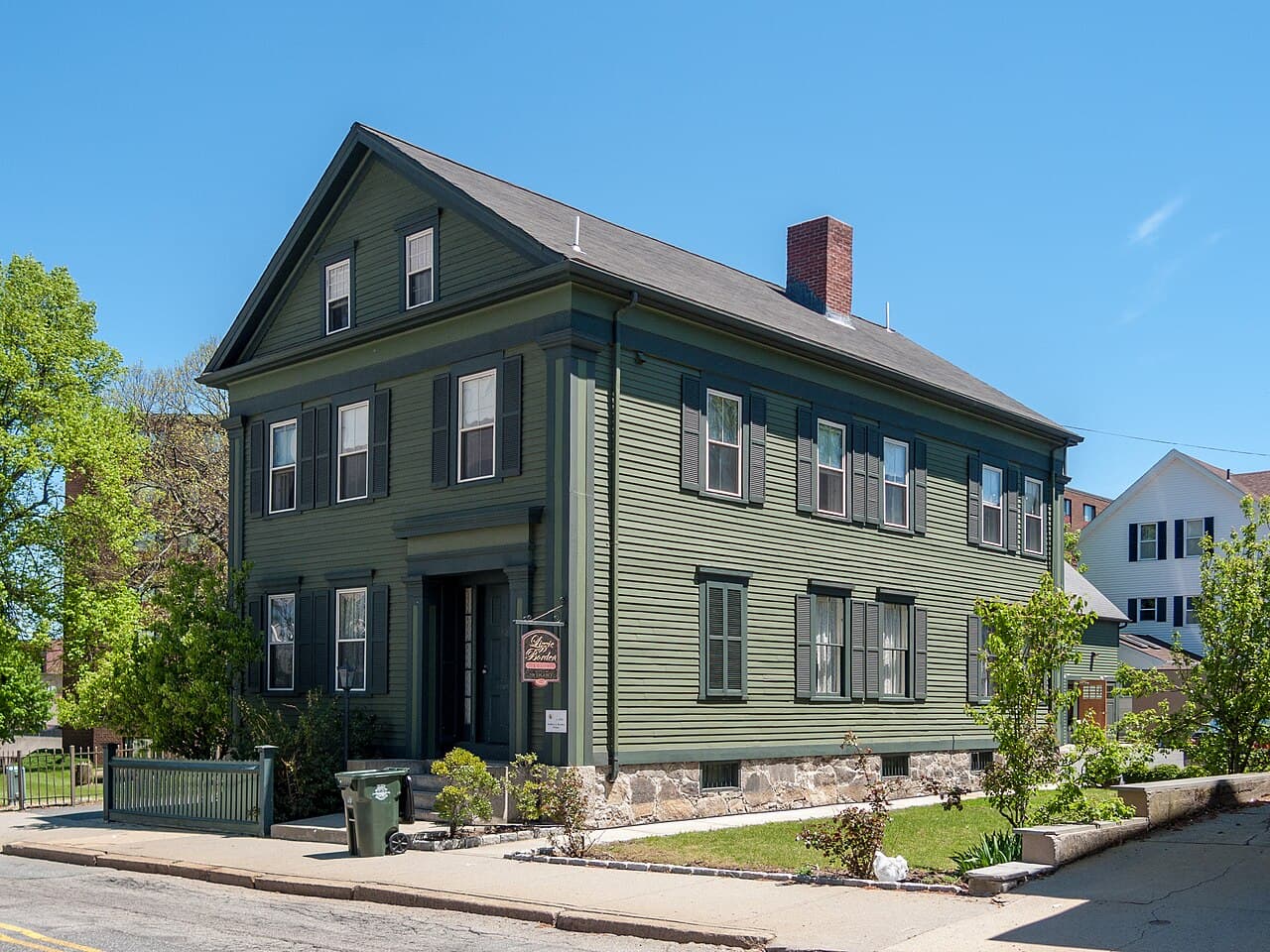
Lizzie Borden took an axe, and gave her father 40 whacks... or did she?
A Quick Note From Our Founder
Morbid Tourism is independently researched and maintained by one person. Every location is fact-checked, verified, and mapped so you can find exactly what you're looking for. If this page helped you, a coffee keeps the research going.