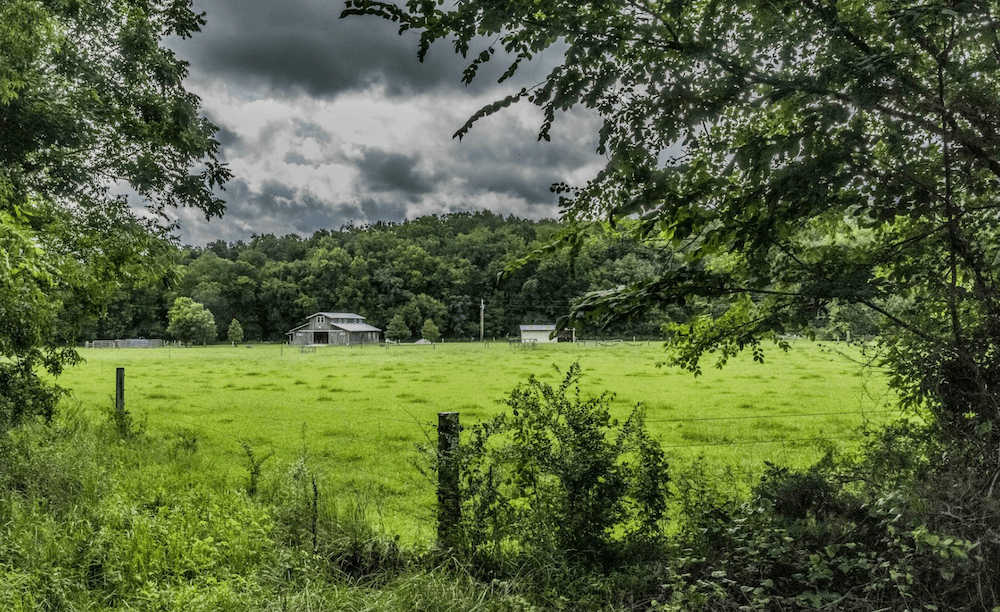
250 Broomfield Road, Dover, AR 72837
ADVERTISEMENT
This page contains affiliate links. We may earn a small commission at no extra cost to you.
Author: Jewls Krueger
Ronald Gene Simmons killed sixteen people between December 22 and December 28, 1987. Fourteen of them were members of his own family, killed at the isolated Pope County property north of Dover that the family called Mockingbird Hill. It remains the deadliest mass murder in Arkansas history and one of the worst cases of familicide in the United States.
Nobody knew for six days. The family had no telephone, few visitors, and almost no contact with the community. The killings were only discovered after Simmons drove into Russellville on the first Monday after Christmas and opened fire at four businesses.
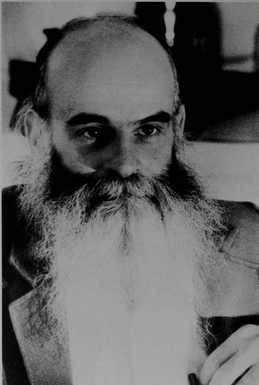
Ronald Gene Simmons - Public Domain
Simmons was born in Chicago on July 15, 1940. He dropped out of school in 1957 and joined the Navy, later transferring to the Air Force, where he served for the bulk of a 22-year military career. He was awarded a Bronze Star and the Republic of Vietnam Gallantry Cross, and his performance evaluations were consistently strong. He retired in November 1979 with the rank of master sergeant.
In April 1981, while the family was living near Cloudcroft, New Mexico, social services began investigating allegations that Simmons had fathered a child with his seventeen-year-old daughter, Sheila. She confirmed the pregnancy to a caseworker and later testified before a grand jury. On August 11, 1981, Simmons was charged with incest in Otero County. When deputies arrived to arrest him, the family had already packed and left.
The charges were conditionally dismissed a year later, in part because officials could not locate the family. The dismissal canceled the arrest warrant and erased the record from the FBI's national database. According to his defense attorney, Simmons never learned this and spent the rest of his life believing he was a wanted man.
Simmons moved his family first to Ward, in Lonoke County, in late 1981, working clerical jobs in the Little Rock area. In the summer of 1983 he bought roughly thirteen acres in the Pleasant Grove community, about six and a half miles north of Dover, and moved the family there. They called it Mockingbird Hill.
The residence was two older mobile homes joined into a single structure. There was no telephone, because Simmons refused to have the line connected. The plumbing did not work, so the family used outhouses. The only heat came from a wood stove. Within days of moving in, Simmons put up no trespassing signs and barbed wire, and he eventually built a concrete block wall along Broomfield Road so the house could not be seen from the road, along with a makeshift privacy fence that reached ten feet in places.
Neighbors described a family that kept entirely to itself. Relatives described something harder. Becky Simmons was not permitted a driver's license or a telephone, and her mail was routed through a post office box her husband controlled. In letters that reached her adult children by other means, she described herself plainly. "I am a prisoner here and the kids too," she wrote in the summer of 1987. She told her daughter Sheila that she had been thinking of leaving and that she had "been a prisoner long enough."
Her three oldest children were working together to help her go.
In the weeks before Christmas, Simmons directed his children to dig a large pit on the property, telling them it was for a new outhouse.
On the morning of December 22, he killed his wife Becky and his eldest son, Gene Jr., who was visiting from New Mexico. Both were bludgeoned and shot. He then killed Gene Jr.'s three-year-old daughter, Barbara, by strangulation. Their bodies went into the pit.
Later that day, the school bus dropped off the four younger children for Christmas break. Loretta was seventeen, Eddy fourteen, Marianne eleven, and Becky eight. Based on the crime scene, investigators concluded they were separated and killed one at a time, by strangulation and, in some cases, drowning in a rain barrel. Their bodies were placed in the same pit.
Simmons had invited his older children for an after-Christmas dinner on December 26. It would have been the first time the whole family was together in four years.
Billy Simmons, his wife Renata, and their twenty-month-old son Trae arrived first. Billy and Renata were shot. Trae was strangled. Sheila arrived next with her husband, Dennis McNulty, and their two children, six-year-old Sylvia and twenty-one-month-old Michael. Sheila and Dennis were shot, and both children were strangled.
Simmons laid the adult bodies out in the main room, covering them with their own coats. Sheila's body was covered with her mother's best tablecloth. The two youngest boys were wrapped in plastic and left in the trunks of abandoned cars near the end of the lane.
That afternoon he drove into Russellville and picked up Christmas gifts he had ordered from Sears that had not arrived in time for the holiday. That night he went to a private club. Then he went home and waited out the weekend.
Further Reading
On the morning of Monday, December 28, Simmons mailed short letters containing cash to his mother-in-law and two nieces. Then he drove his dead son's car into Russellville with two .22-caliber revolvers.
He went first to the Peel, Eddy and Gibbons law firm, where he shot and killed Kathy Cribbins Kendrick, a former coworker from Woodline Motor Freight who had rejected his advances and reported them to her supervisors. He then drove to Taylor Oil Company, where he wounded owner Russell "Rusty" Taylor and killed delivery driver James David Chaffin, a firefighter who did not know him. He shot at a third employee and missed.
From there he went to the Sinclair Mini Mart, where he had worked until ten days earlier, and wounded manager David Salyer and clerk Roberta Woolery. His last stop was Woodline Motor Freight, where he shot and seriously wounded his former supervisor, Joyce Butts.
He then took an employee, Vicky Jackson, at gunpoint and told her to call the police. When Russellville Police Chief Herb Johnston walked in unarmed, Simmons handed over his revolver and surrendered without resistance. The entire rampage had taken about forty-five minutes.
Simmons refused to answer questions or give his real name. Officers identified him through witnesses, and employment records led them to the property north of Dover.
Deputies went out that afternoon. Sheriff Jim Bolin later testified that when Simmons was asked about his family and whether officers could search his home, he said nothing but his lips quivered and his eyes filled. Prosecutors determined an emergency search was justified without a warrant. Officers entered through an unlocked window shortly before 3 p.m. and found five bodies inside.
A warrant was obtained, and the following morning searchers turned to a mound of freshly disturbed earth about forty yards from the house. Seven more bodies were recovered from the pit. Two more were found in the trunks of the abandoned cars.
Unopened Christmas presents were still under the tree.
Simmons was tried twice. The first trial, moved to Ozark in Franklin County because of publicity, covered the Russellville shootings. A jury convicted him on May 12, 1988, after deliberating less than ninety minutes, and he was sentenced to death plus 147 years.
He immediately asked the court to let him die. Reading a statement he had written against his attorneys' advice, he said he wanted no action taken to appeal or change the sentence, and that in his case anything short of death would be cruel and unusual punishment. He had gone to trial rather than plead guilty because under Arkansas law only a jury could impose a death sentence.
The second trial, moved to Clarksville in Johnson County, covered the family. He was convicted on February 10, 1989, and sentenced to death again the following month. Sources differ on whether the fourteen deaths were charged as fourteen counts of capital murder or consolidated into one. During that trial, after the judge admitted a note prosecutors said showed a love-hate relationship with Sheila, Simmons lunged across the table and punched prosecutor John Bynum in the face.
His refusal to appeal became a constitutional question. A death row inmate named Jonas Whitmore and a Catholic priest sought to appeal on his behalf, arguing that letting a man go from courtroom to execution chamber without appellate review endangered other inmates' rights. The case reached the U.S. Supreme Court as Whitmore v. Arkansas, which ruled against them in April 1990.
Governor Bill Clinton signed the warrant on May 31. Simmons was executed by lethal injection at the Cummins Unit on June 25, 1990. He was the first person put to death in Arkansas since 1964 and the first executed by lethal injection in the state. He refused all visitors, including clergy. No relative claimed his body, and he was buried in a paupers' plot.
His victims are buried in several places. Becky Simmons and the younger children were buried at Briggsdale Cemetery in Weld County, Colorado, where a memorial to those killed in December 1987 stands. Others were buried in Cleveland and Perry counties in Arkansas.
The property sits on a low ridge along the north side of Broomfield Road, roughly a quarter mile east of Arkansas Highway 7 and about six and a half miles north of Dover, in the unincorporated community of Pleasant Grove. There is little else nearby beyond a church, a cemetery, and a small store. Russellville is about a twenty-minute drive south.
There is nothing left to see. The property was foreclosed on and sold at auction on the courthouse steps in Pope County in June 1988, the only bid coming from the woman who had sold it to Simmons five years earlier. Reporting indicates the house was destroyed by fire in March 1989 after repeated vandalism, and that the state fire marshal ruled the fire arson. Accounts describe no development on the site since.
Whatever the current ownership, this is rural private land with neighbors close enough to notice a car that does not belong. Stay on Broomfield Road, do not enter the property, and do not go looking for the site of the grave. The families of the fourteen people killed here are still living, and several of the people wounded in Russellville survived their injuries and stayed in the area. Treat the whole of Pope County accordingly.

Andrea Yates drowned her five children in the bathtub of this suburban Houston home.
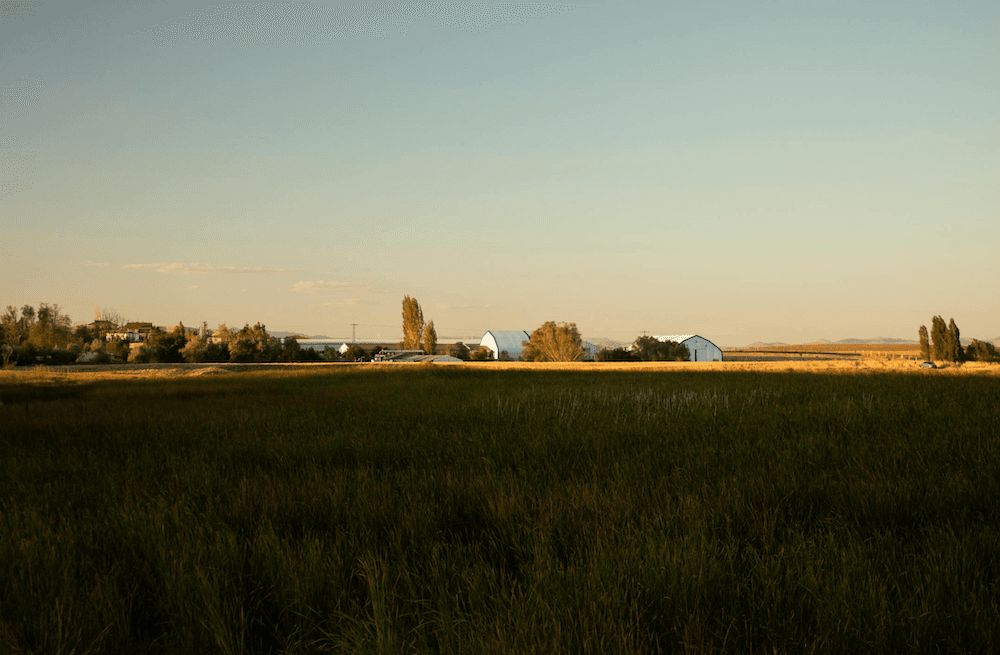
Chad Daybell & Lori Vallow murdered and buried Lori's 2 children on this property.
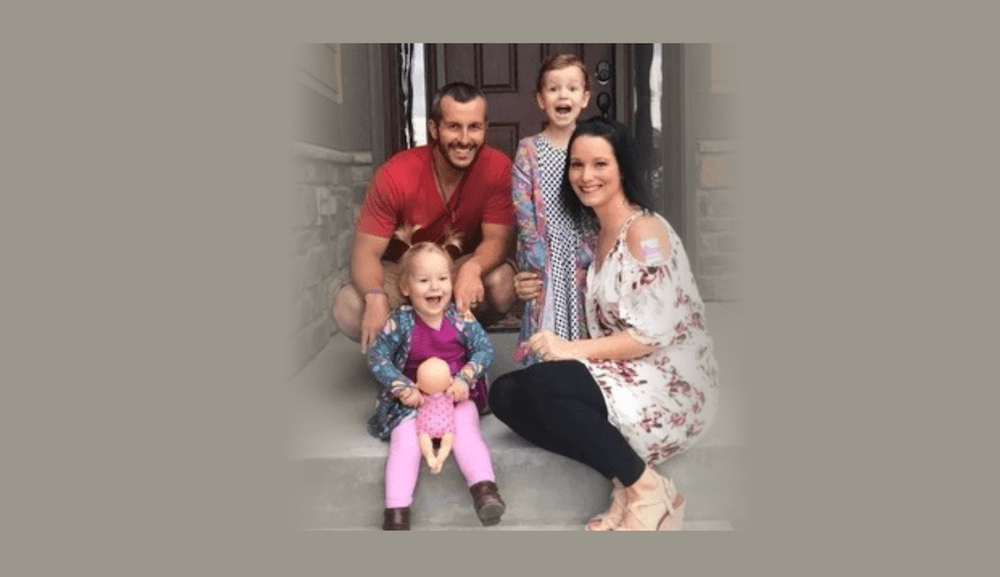
The home where Chris Watts brutally murdered his pregnant wife and two children.
A Quick Note From Our Founder
Morbid Tourism is independently researched and maintained by one person. Every location is fact-checked, verified, and mapped so you can find exactly what you're looking for. If this page helped you, a coffee keeps the research going.