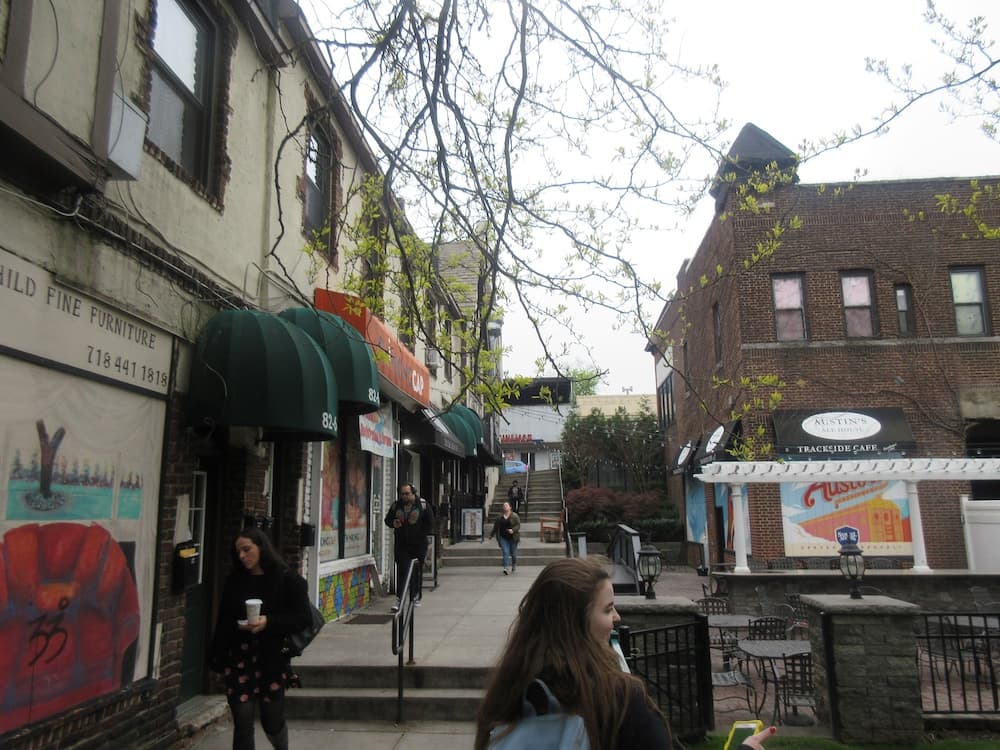
82-58 Austin St., Kew Gardens, NY 11415
This page contains affiliate links. We may earn a small commission at no extra cost to you.
Author: Jewls Krueger
In the early morning hours of March 13, 1964, 28 year old bar manager Catherine "Kitty" Genovese was raped and stabbed to death outside the Kew Gardens apartment building in Queens, New York, where she lived. Her killer was a 29 year old Queens man named Winston Moseley.
Two weeks after the murder, a New York Times article claiming that 38 witnesses had watched the attack and done nothing turned an already tragic case into one of the most cited in American social psychology and the origin of the concept known as the "bystander effect." Later reporting has established that most of the article's key claims were exaggerated or false.
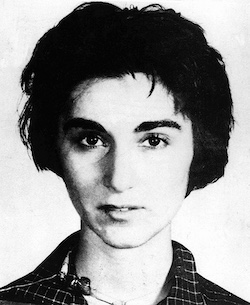
Kitty Genovese in 1961 - Public Domain
Catherine Susan "Kitty" Genovese was born on July 7, 1935 in Brooklyn, New York, the eldest child of Vincent and Rachel Genovese. When her family moved to Connecticut in her late teens, she stayed behind in New York. By 1963, she was managing Ev's Eleventh Hour bar at Jamaica Avenue and 193rd Street in the Hollis section of Queens, and living in a modest second floor apartment at 82-70 Austin Street in Kew Gardens with her girlfriend Mary Ann Zielonko, whom she had met the year before at a Greenwich Village lesbian bar called Swing Rendezvous. Genovese was saving money with plans to open an Italian restaurant of her own.
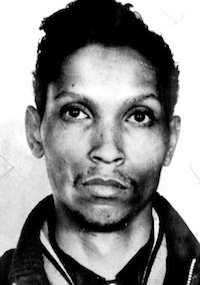
Winston Moseley - Public Domain
Winston Moseley was 29 years old and lived with his wife and two young sons in South Ozone Park, Queens, where he worked as a tab operator preparing punched data cards for Remington Rand. He would later confess to being a serial killer, admitting to the murders of Annie Mae Johnson, who was shot and burned in South Ozone Park in February 1964, and 15 year old Barbara Kralik, who had been killed in her family's Springfield Gardens home in July 1963.
At around 2:30 a.m. on Friday, March 13, 1964, Genovese left her shift at Ev's Eleventh Hour and began driving home in her red Fiat. While stopped at a traffic light on Hoover Avenue in Queens, she was spotted by Moseley, who was sitting in his parked white Chevrolet Corvair. He had spent the previous hour driving around Queens with a hunting knife in his pocket, looking for a woman to attack, and would later say he had been about to give up for the night.
Genovese arrived at Kew Gardens around 3:15 a.m. and parked in the Long Island Rail Road station lot next to her building. Realizing she was being followed, she ran toward the front entrance of her building on Austin Street. Moseley caught up to her outside a bookstore at 82-64 Austin Street and stabbed her twice in the back.
Genovese screamed for help, and a neighbor from a nearby building named Robert Mozer shouted from an upstairs window, "Leave that girl alone!" Moseley ran back to his car and drove away. Bleeding and badly wounded, Genovese made her way around to the rear alleyway of her building, where she collapsed in an interior stairwell that was not visible from the street.
Approximately 10 minutes later, Moseley returned to the scene on foot wearing a wide brimmed hat as a disguise. He searched the area, eventually found Genovese in the rear stairwell, and continued the attack, raping and stabbing her. Neighbor Sophia Farrar, who lived in the building, rushed downstairs and cradled Genovese in her arms as she waited for the ambulance. Genovese died on the way to Queens General Hospital.
On March 27, 1964, two weeks after the murder, The New York Times published a front page article by reporter Martin Gansberg with the headline "37 Who Saw Murder Didn't Call the Police," which was based on a briefing given to Times editor A.M. Rosenthal by Police Commissioner Michael Murphy. The article claimed that 38 "respectable, law-abiding citizens" had watched Moseley stalk and stab Genovese in three separate attacks over a period of more than half an hour without a single one of them calling the police until she was already dead.
Further Reading
The story reshaped the case in the American public imagination and gave rise to what psychologists Bibb Latane and John Darley later termed the "bystander effect," the phenomenon in which the presence of other bystanders reduces the likelihood that any one of them will help a victim.
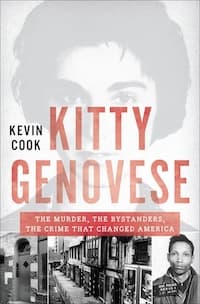
Since the early 2000s, journalists and researchers have systematically dismantled most of the article's core claims, including a 2004 New York Times investigation by Jim Rasenberger, a 2007 article in American Psychologist by Rachel Manning, Mark Levine, and Alan Collins, the 2014 book "Kitty Genovese: The Murder, the Bystanders, the Crime That Changed America" by Kevin Cook, and the 2015 documentary "The Witness" by Genovese's younger brother William. That later research has shown that most neighbors did not realize they were witnessing a murder, several did in fact call the police, and neighbor Sophia Farrar stayed with Genovese while she was dying. In 2016, the Times itself acknowledged that its original article had "grossly exaggerated the number of witnesses and what they had perceived."
Just six days after the murder, on March 19, 1964, a Queens homeowner spotted Moseley loading a stolen television into his car in Ozone Park and asked a neighbor to disable Moseley's car while they called police. Moseley was taken into custody. A Queens detective noticed that Moseley's white Chevrolet Corvair matched a car mentioned by witnesses at the Genovese scene and questioned him. Moseley admitted to the murder within hours, and also confessed to the killings of Annie Mae Johnson and Barbara Kralik.
Moseley's trial began in June 1964. After a three day trial, on June 11, 1964, a jury of 11 men and one woman found him guilty of first degree murder. On June 15, 1964, he was sentenced to death, though his death sentence was later commuted to life in prison in 1967 after appellate courts ruled the trial court had improperly barred psychiatric evidence at sentencing. Moseley later briefly escaped from Attica Correctional Facility in March 1968 during a medical transport, holding several hostages over a three day standoff, before being recaptured. He was denied parole 18 times. He died on March 28, 2016 at Clinton Correctional Facility in Dannemora, New York at age 81.
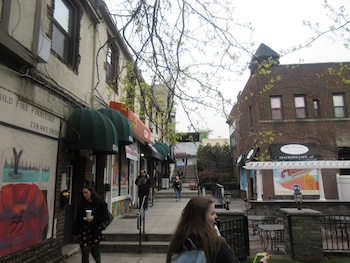
The Alley as of 2019 - Creative Commons: Union Turnpike
The two story brick and stucco building at 82-70 Austin Street in the Kew Gardens neighborhood of Queens still stands today and remains a working residential building with ground floor commercial storefronts and a small number of upstairs apartments. It was originally built in 1925. The nearby storefront at 82-64 Austin Street, where the first attack took place, is also still standing.
The rear alley and interior stairwell where Genovese died can be reached from the parking area behind the building but sits on private property. The Long Island Rail Road station parking lot next to the building is still in use today. In 2019, the site was included on the NYC LGBT Historic Sites Project registry in honor of Genovese and Zielonko, both because of the significance of the case and because of the long standing effort by writers like Zielonko to reclaim Genovese's identity as a young lesbian woman.
The building remains a private residence. Please be respectful of the current occupants and the surrounding neighborhood, stay on public sidewalks along Austin Street at all times, and do not enter the parking lot or rear alleyway.
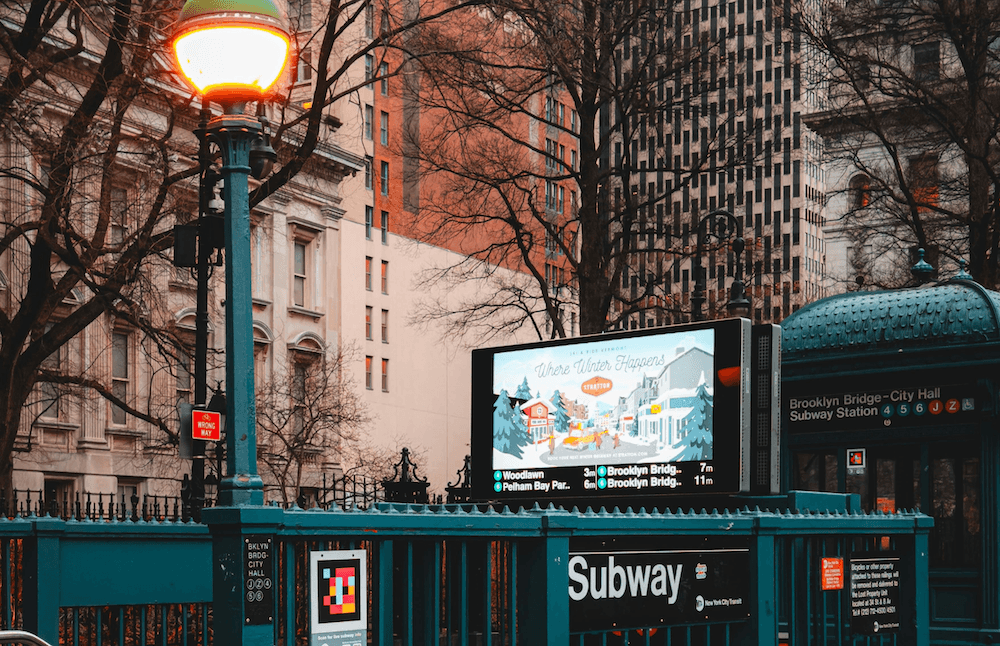
Christine Freund was shot and killed by serial killer David Berkowitz aka Son of Sam.
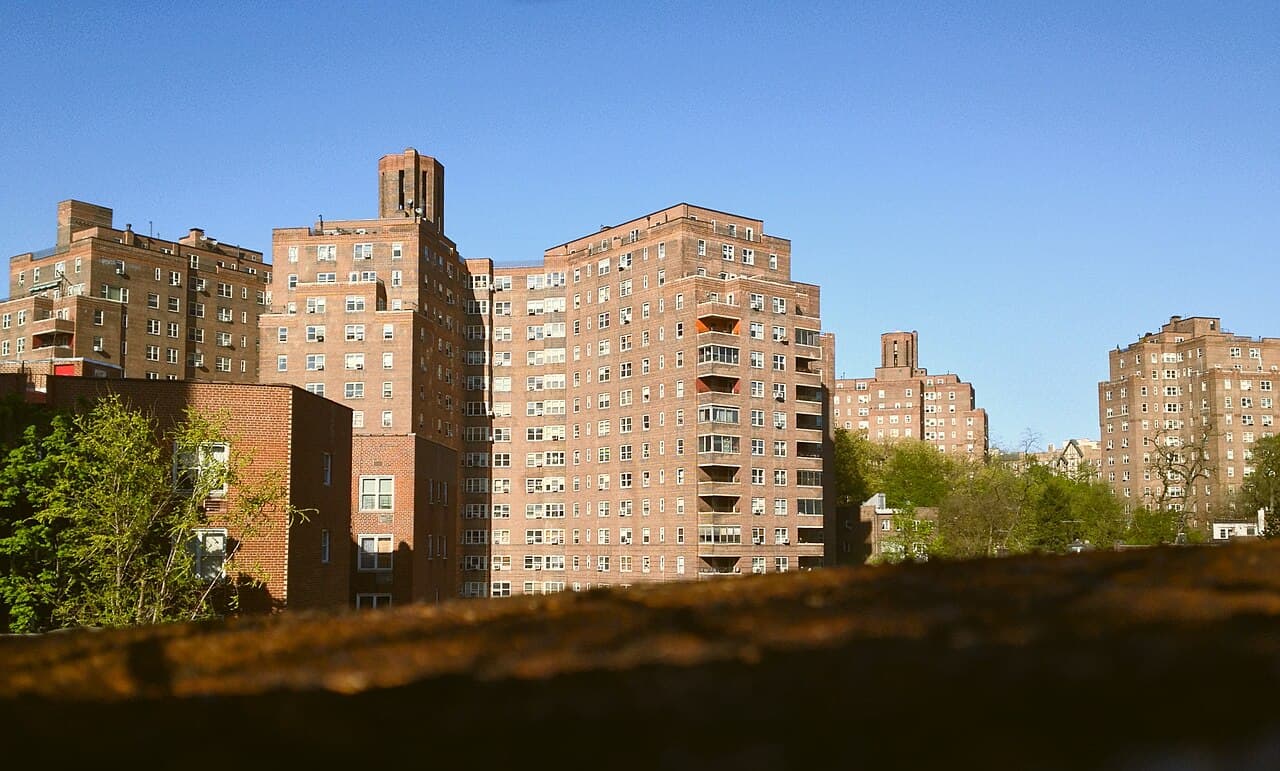
Donna Lauria was shot and killed by serial killer David Berkowitz aka "Son of Sam"
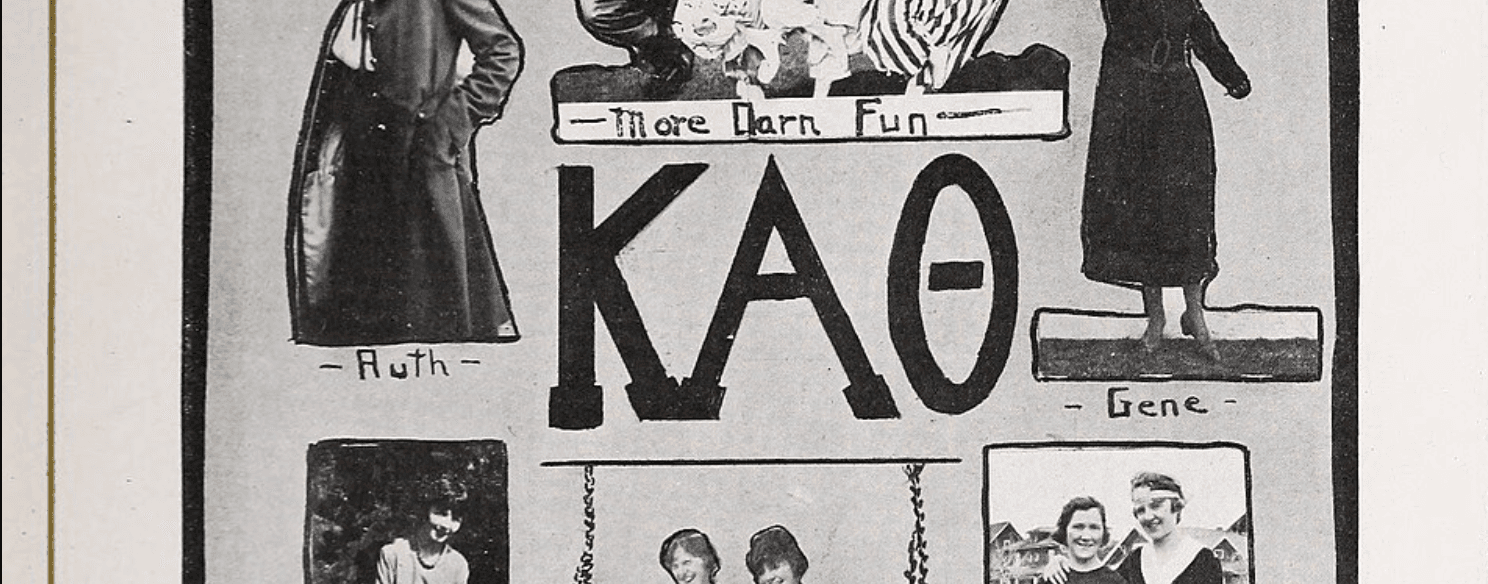
Ted Bundy abducted and later killed Georgeann Hawkins from outside this Sorority House
A Quick Note From Our Founder
Morbid Tourism is independently researched and maintained by one person. Every location is fact-checked, verified, and mapped so you can find exactly what you're looking for. If this page helped you, a coffee keeps the research going.