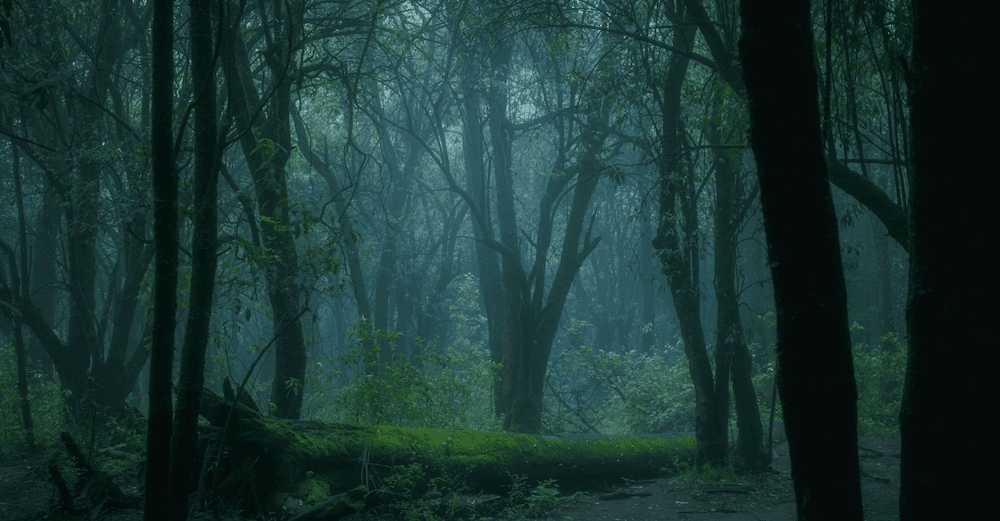
3155 N Franklintown Road, Baltimore, MD 21207
ADVERTISEMENT
This page contains affiliate links. We may earn a small commission at no extra cost to you.
Author: Jewls Krueger
On January 13, 1999, eighteen year old high school student Hae Min Lee attended classes at Woodlawn High School in Baltimore, Maryland, just as she did every day. She was a good student, played lacrosse and field hockey, and was beloved by her classmates. At the end of the school day she left campus and was never seen alive again.
Her family reported her missing that afternoon when she failed to pick up her younger cousin from daycare. Hae was trustworthy and consistent, and it was completely unlike her to miss a commitment. Investigators began looking into her disappearance immediately, but were unable to locate her.
Four weeks later, on February 9, 1999, a man found the partially decomposed body of Hae Min Lee in Leakin Park, approximately 100 feet off the road near 3155 N Franklintown Road in West Baltimore. The man told investigators he had stopped to relieve himself, and when he stepped into the woods to be out of sight from the road, he discovered her body partially buried beneath a fallen tree.
Her body showed signs of manual strangulation, which was determined to be the cause of death. Investigators initially suspected the man who found her, but soon received an anonymous tip directing them to look at Hae's ex-boyfriend, Adnan Syed. The tip alleged that Syed had spoken about killing Hae and had enlisted a friend to help dispose of her body.
After obtaining Syed's cell phone records, which investigators believed established a credible timeline placing him near the burial site, Adnan Syed was arrested on February 28, 1999 and charged with first degree murder. In 2000, he was convicted and sentenced to life in prison plus 30 years, with no possibility of parole.
There was no physical evidence directly tying Syed to the crime. DNA testing of biological material recovered from the scene did not match him. The prosecution's case rested primarily on the testimony of Jay Wilds, a friend of Syed's who claimed he helped bury the body in exchange for immunity, and on cell tower data that has since been disputed by experts.
The case remained largely unknown outside of Baltimore until 2014, when journalist Sarah Koenig devoted the first season of her podcast Serial to re-examining the evidence and investigation. The podcast became a cultural phenomenon, reaching over 300 million downloads and reigniting national debate about whether Syed had received a fair trial. Questions centered on the reliability of Jay Wilds' testimony, the competency of Syed's defense attorney, and the cell tower data used to place Syed at the burial site.
In 2019, HBO aired a four-part documentary series, The Case Against Adnan Syed, which further scrutinized the investigation and introduced additional potential suspects prosecutors had never pursued.
In September 2022, Baltimore Circuit Judge Melissa Phinn vacated Syed's conviction after prosecutors, under then-State's Attorney Marilyn Mosby, said they had uncovered new evidence pointing to two other suspects — including one who had allegedly threatened to make Hae "disappear." Advanced DNA testing also excluded Syed as the source of biological material recovered from the scene. Syed was released from prison after more than 23 years.
Further Reading

The release was short-lived legally. Hae Min Lee's brother, Young Lee, appealed on the grounds that the family had not been given proper notice of the 2022 hearing. In March 2023, the Maryland Appellate Court reinstated Syed's conviction on procedural grounds, and in August 2024 the Maryland Supreme Court upheld that decision in a 4-3 ruling.
In February 2025, the new State's Attorney Ivan Bates withdrew the motion to vacate the conviction entirely. On March 6, 2025, Judge Jennifer Schiffer granted Syed a sentence reduction to time served under Maryland's Juvenile Restoration Act, allowing him to remain free. His murder conviction remains on his record. The case of who killed Hae Min Lee has never been officially resolved.
Leakin Park is a large, heavily wooded urban park in West Baltimore that has long had a reputation for being dangerous, particularly after dark. We do not recommend attempting to walk into the park to find the burial site.
If you would like to pay your respects to Hae Min Lee, driving slowly past the area on N. Franklintown Road is the most appropriate way to do so. Please do not stop, do not block traffic, and do not trespass into the wooded areas off the road. The location where Hae's body was found is just north of the road. The fallen tree near the burial site may still be present. A break in the guardrail that once marked the approximate location has since been repaired and blocked off.
Want to explore Baltimore's darker side in person? This ghost tour takes you through the city's most notorious and haunted locations — the perfect companion to any true crime visit.
The hit documentary "The Staircase" was about the mysterious death that happened here.
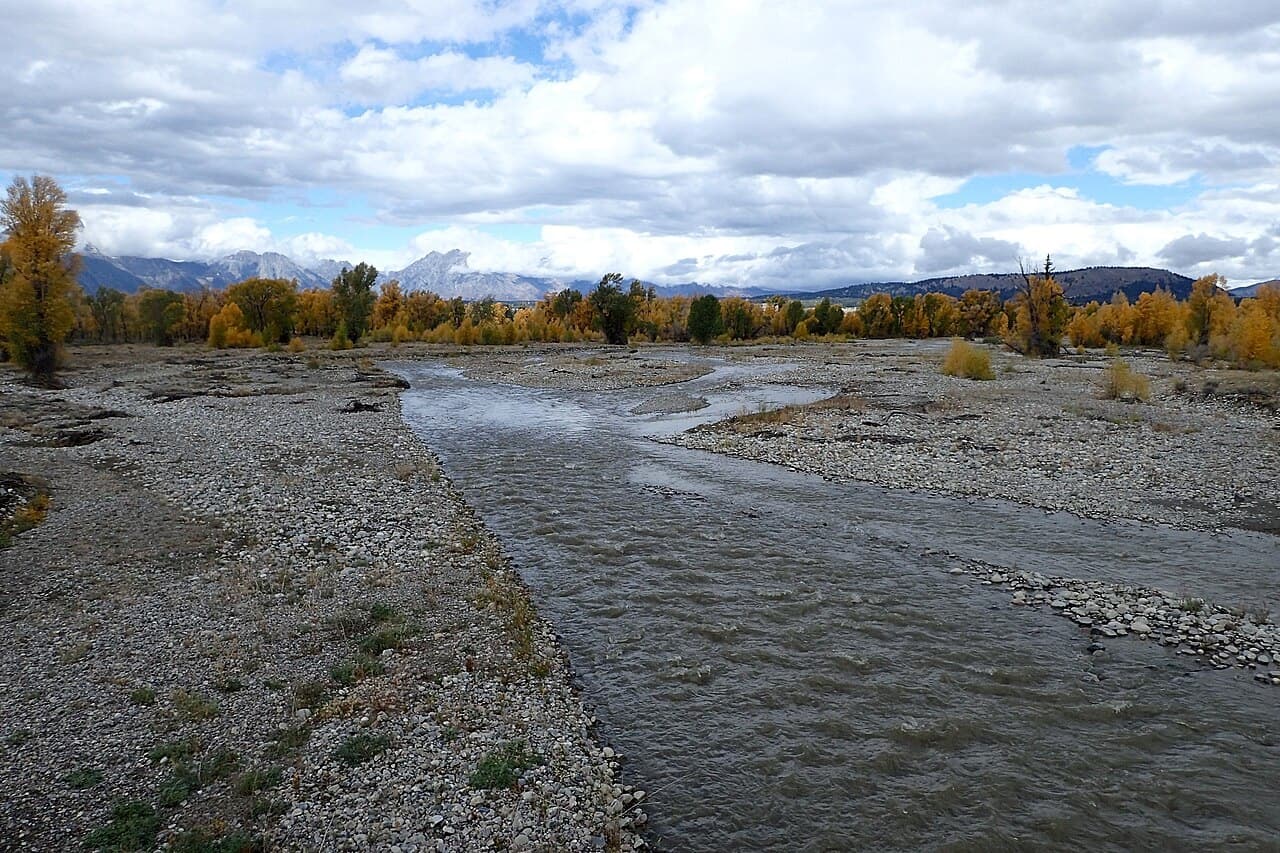
Aspiring vanlife influencer Gabby Petito was found murdered at a Wyoming campground in 2021, killed by her fiancé Brian Laundrie.
Cassie Jo Stoddart was murdered by her classmates in this Pocatello home.
A Quick Note From Our Founder
Morbid Tourism is independently researched and maintained by one person. Every location is fact-checked, verified, and mapped so you can find exactly what you're looking for. If this page helped you, a coffee keeps the research going.