
130 Green Meadow Ln, Fayetteville, GA 30215
This page contains affiliate links. We may earn a small commission at no extra cost to you.
Author: Jewls Krueger
Chris Benoit was one of the most decorated technical wrestlers of his generation, but he is remembered today for the June 2007 weekend when he murdered his family and took his own life inside their suburban Georgia home. Over roughly three days, Benoit killed his wife, Nancy, and their seven-year-old son, Daniel, then hanged himself in his home gym. The case stunned the wrestling world and helped launch a national conversation about steroids and brain trauma in the sport. Nearly two decades later, it remains one of the most disturbing episodes in professional wrestling history.

Chris Benoit was a Canadian professional wrestler, born in Montreal in 1967 and raised in Edmonton, Alberta, from where he was billed for most of his career. Over more than two decades he worked for promotions in Canada, Japan, ECW, WCW, and finally WWE, earning the nicknames the Canadian Crippler and the Rabid Wolverine. He was known for a punishing, high-impact style, including a diving headbutt that later drew scrutiny for the head trauma it caused. He was a two-time world champion, and his win over Triple H at WrestleMania XX in 2004 stood as one of the defining moments of his career. By 2007 he had settled with his family in Georgia and was wrestling on WWE's ECW brand.
Nancy Benoit, born Nancy Toffoloni in 1964, was a well-known wrestling manager and valet who performed under the ring name Woman. She was previously married to wrestler and booker Kevin Sullivan. In WCW during the mid-1990s, Sullivan booked a storyline in which Benoit was having an affair with Nancy, his real-life wife and on-screen valet. That on-screen angle developed into a genuine affair, and the Sullivans divorced in 1997. Nancy and Benoit had a son, Daniel, born in February 2000, and the couple married that November. Their marriage was troubled at times, and in 2003 Nancy briefly filed for divorce, alleging cruel treatment, before withdrawing the petition and a related restraining order months later.
By 2007, years in the ring had taken a heavy toll on Benoit, and investigators later pointed to severe brain damage and substance use as possible factors. No single trigger for the killings was ever established. On Friday, June 22, Benoit bound his wife's limbs and asphyxiated her in a room of the house, and her body was found wrapped in a blanket. The next day he sedated Daniel with Xanax and killed the boy in his bedroom while he was likely unconscious. Benoit placed a Bible beside each of their bodies.
Over the next day and a half, Benoit stayed in contact with several coworkers, telling them that Nancy and Daniel were seriously ill with food poisoning, and telling at least one that Nancy was vomiting blood. In the early morning hours of Sunday, June 24, he sent a series of text messages to colleagues that listed his home address and noted that a garage side door had been left open and the dogs were in an enclosed pool area. Later that morning he called WWE and said he would take a later flight to a pay-per-view event in Houston, where he was scheduled to compete that night for a championship. He never appeared and was replaced on the card. That evening, Benoit hanged himself in his weight room using a cord from a piece of exercise equipment.
On Monday, June 25, 2007, after Benoit missed the event and could not be reached for more than a day, WWE asked authorities in Fayette County to perform a welfare check. Deputies arrived at the home in the early afternoon and found all three bodies. The scene was quickly ruled a double murder-suicide, and investigators said they were not looking for any other suspects, because the means of death were all found inside the house. That night, unaware of the full circumstances, WWE aired a three-hour tribute to Benoit. Once the details emerged, the company reversed course and removed nearly all mention of him from its programming and archives.
No conclusive motive was ever determined. Steroids were found in the home, and the deaths helped prompt a federal look at drug use in professional wrestling. On July 17, 2007, the Georgia Bureau of Investigation released toxicology results at a news conference. Chief medical examiner Dr. Kris Sperry said Benoit had an elevated level of testosterone but no other anabolic steroids in his system, along with therapeutic levels of Xanax and a painkiller, and that he tested negative for alcohol. Sperry cautioned that there was no reliable scientific evidence that elevated testosterone causes the kind of rage some had blamed for the killings. He said the most telling finding was that Daniel was "sedated by Xanax at the time that he was murdered", a drug not normally given to a child.
Attention also turned to Benoit's personal physician, Dr. Phil Astin, who had treated the wrestler and prescribed testosterone to him in the past. Astin was charged with improperly prescribing drugs to other patients, and investigators raided his office repeatedly after the deaths. He later pleaded guilty and was sentenced to ten years in prison.
Book Recommendation

Interested in learning more about Chris Benoit? Matthew Randazzo V's deep dive into the wresting industry gives a unique look into what may have led to this tragedy.
Buy on Amazon →By purchasing through this link, we may earn a small commission at no extra cost to you. Thank you for supporting our work!
The most widely discussed explanation emerged in September 2007. Days after Benoit's death, Christopher Nowinski of the Sports Legacy Institute contacted Benoit's father, Michael, and obtained permission to examine the wrestler's brain. On September 5, the institute announced that tests had found chronic traumatic encephalopathy, or CTE, a degenerative condition caused by repeated head trauma, found in all regions of his brain. Forensic neuropathologist Dr. Bennet Omalu conducted the examination, and neurosurgeon Dr. Julian Bailes said the damage was consistent with a history of multiple concussions.
Dr. Robert Cantu, who reviewed the findings, compared the state of Benoit's brain to that of an elderly Alzheimer's patient and called it the most extensively damaged of the brains examined to that point. Benoit's father came to believe brain injury was the leading cause of the killings. The conclusion was not universally accepted, and some specialists questioned whether the pathology met the strict definition of CTE, but the case became an early and influential example of the condition appearing outside boxing and football.
The home still stands in a quiet residential part of Fayetteville, roughly 22 miles south of Atlanta. In the aftermath of the murders it lost much of its value and lingered on the market before selling in 2009 at a steep discount from its earlier price. It remains a private residence. Anyone visiting should stay on public roads and sidewalks, avoid stepping onto the property, and remember that the surrounding neighborhood is home to people with no connection to the case.

Music producer Phil Spector murdered Lana Clarkson in his LA area mansion.

Joshua Powell likely killed his wife and disposed of her body in the Utah wilderness.
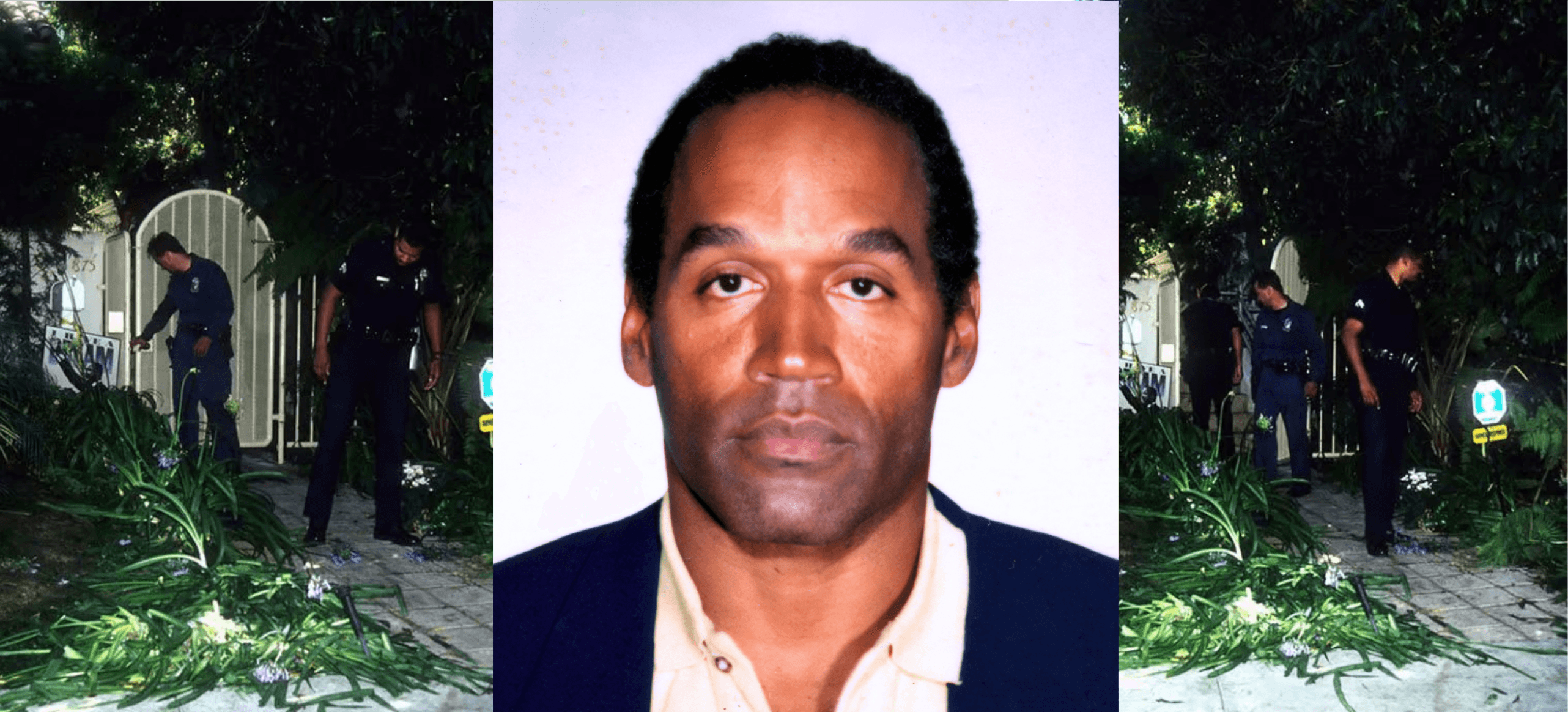
The Los Angeles house where OJ Simpson allegedly killed his ex-wife Nicole Brown and her friend Ron Goldman.
A Quick Note From Our Founder
Morbid Tourism is independently researched and maintained by one person. Every location is fact-checked, verified, and mapped so you can find exactly what you're looking for. If this page helped you, a coffee keeps the research going.