2112 E Republican Street, Seattle, WA 98112
ADVERTISEMENT
This page contains affiliate links. We may earn a small commission at no extra cost to you.
Author: Jewls Krueger
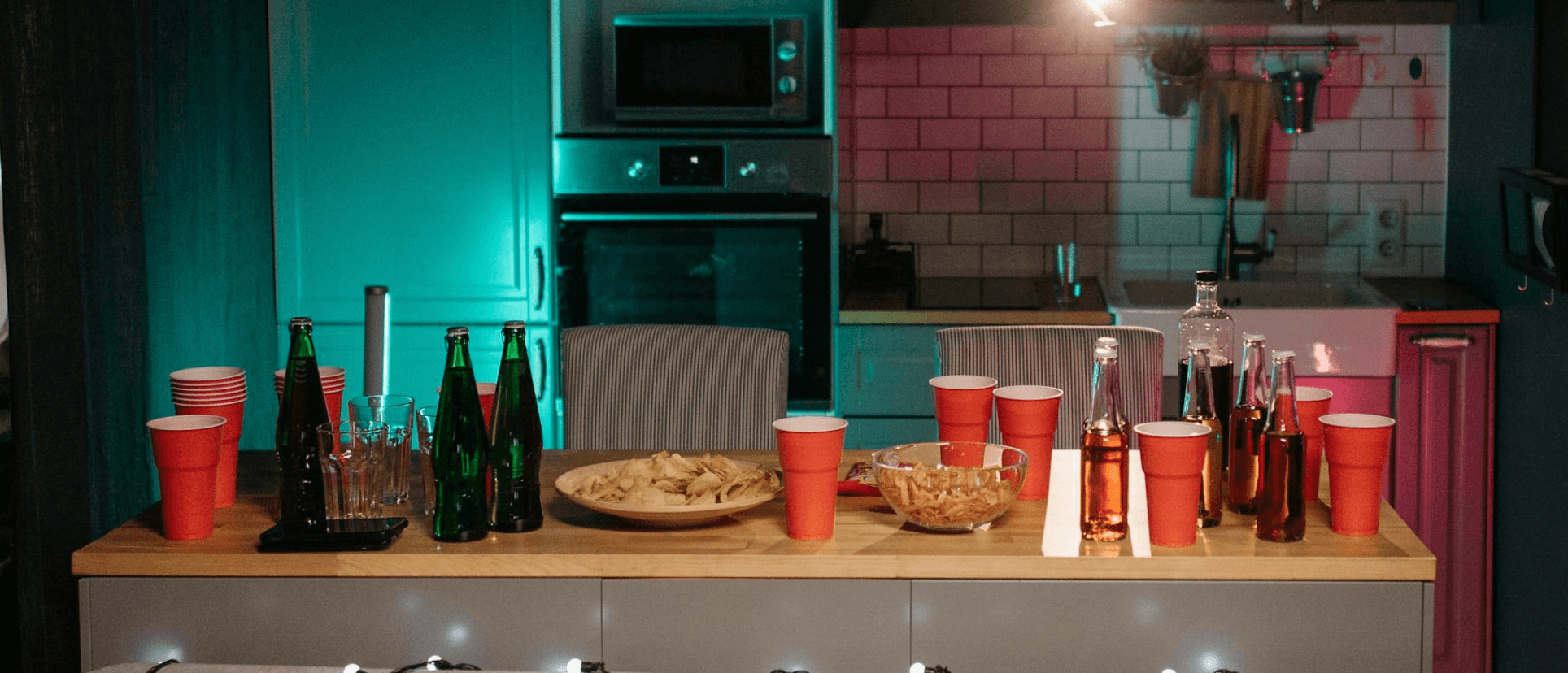
In the early morning hours of March 25, 2006, a house party in Seattle's Capitol Hill neighborhood ended in one of the deadliest mass shootings in the city's history. The gathering was an afterparty for a zombie-themed rave called "Better Off Undead," held the night before at the Capitol Hill Arts Center. Among the guests was 28-year-old Kyle Huff, a large, quiet man who knew almost no one there. Around 7 a.m., Huff walked out to his truck, returned with two guns, and began shooting. Six people died and two were wounded before Huff killed himself on the front porch as police arrived.
The attack was the worst mass killing in Seattle since the 1983 Wah Mee massacre. It shook the city's all-ages music scene and touched off a debate over rave culture, teen dance rules, and gun access that played out in local newspapers for weeks.
Huff's victims were young, and several were still teenagers. Those killed were Melissa "China Doll" Moore, 14, Suzanne Thorne, 15, Christopher "Deacon" Williamson, 21, Justin "Sushi" Schwartz, 22, Jeremy Martin, 26, and Jason Travers, 32. Two others were wounded, including 18-year-old Kian Movasagi, who survived after multiple surgeries.
Five of the victims died at the house. A sixth died after being taken to Harborview Medical Center. Many of them were part of the same close rave community, and in the days after the shooting friends and family gathered outside the home and at memorials across the city to mourn them.
Kyle Aaron Huff was a transplant to Seattle from Whitefish, Montana, where he had grown up with his identical twin brother, Kane. Standing roughly six feet five and weighing close to 280 pounds, he was physically imposing but described by people who knew him as quiet and reserved. In Seattle he worked delivering pizza and shared a North Seattle apartment with his brother. He had little history with police in the city.
Huff was not a familiar face in the rave scene. In the summer of 2000, back in Montana, he had shot up a public art installation, a painted moose that was part of a display called "Moose on the Loose." He was initially charged with a felony, which would have barred him from owning firearms, but pleaded guilty to a reduced misdemeanor. After paying restitution, the guns that had been seized were returned to him. The weapons he used in Seattle were purchased legally at sporting goods stores in Kalispell, Montana.
Huff had arrived at the afterparty sometime between 4 and 6 a.m., a last-minute invitee who did not personally know anyone there. By several accounts he was calm and polite, speaking briefly with other guests. No one recalled any argument or strange behavior.
At about 7 a.m., Huff left the house and walked to his truck, parked nearby. From it he retrieved a 12-gauge Winchester 1300 Defender pump-action shotgun fitted with a pistol grip and a .40-caliber Ruger P944 semiautomatic handgun, along with bandoliers holding more than 300 rounds of ammunition. On his way back he spray-painted the word "NOW" on the sidewalk and on the steps of a neighboring home.
He opened fire on five people who were talking outside, two on the steps and the others on the porch. Guests inside tried to hold the front door shut, but Huff forced his way in and shot three more people on the first floor. During the attack he was heard to say something close to "There's plenty for everyone." On the second floor, a couple hid in a bathtub behind a locked bathroom door; Huff fired through the door twice but did not hit them. He did not fire anywhere near the full amount of ammunition he carried, and at points he reportedly walked past people without shooting.
A patrol officer nearby, Steve Leonard, heard the gunfire and traced the address through 911 calls. As he reached the house, Huff was coming down the front steps. Before the officer could finish ordering him to drop his weapon, Huff placed a gun in his mouth and shot himself.
ADVERTISEMENT
A motive was never established with certainty, but investigators pieced together signs of planning that stretched back weeks. A panel convened by the Seattle Police Department and led by criminologist James Alan Fox found that Huff had been studying the rave scene as early as February, at one point sitting in his truck outside a venue and watching people come and go, and that he had searched online for upcoming events.
Nearly a month after the shooting, a handwritten note believed to be Huff's was recovered from a dumpster. The Washington State Patrol crime lab later concluded it was highly probable he had written it. The letter expressed anger at young ravers and their lifestyle and ended with a phrase echoing what he had painted on the pavement that morning, "Now, kids, Now." For many, that connection was the closest thing to an explanation the case ever produced.
The massacre inspired the feature film "Wallflower," written and directed by Seattle filmmaker Jagger Gravning. A fictionalized account told largely from the shooter's perspective, it premiered at the Seattle International Film Festival in 2017 and received a theatrical run in 2019. The project drew criticism from some connected to the case for centering the perpetrator, a tension Gravning has said he intended the film to confront rather than excuse.
ADVERTISEMENT
The home where the shooting happened still stands on E. Republican Street in the Capitol Hill neighborhood of Seattle, on the north side of the street, west of 23rd Avenue E. In the years since, it has been repainted and has housed new residents who have no connection to the crime.
The house is private property and is very likely someone's home. Never trespass, enter the property, or approach current occupants or neighbors. Please stay on public sidewalks and roadways, do not block traffic, and be respectful of a neighborhood that lived through a painful day.
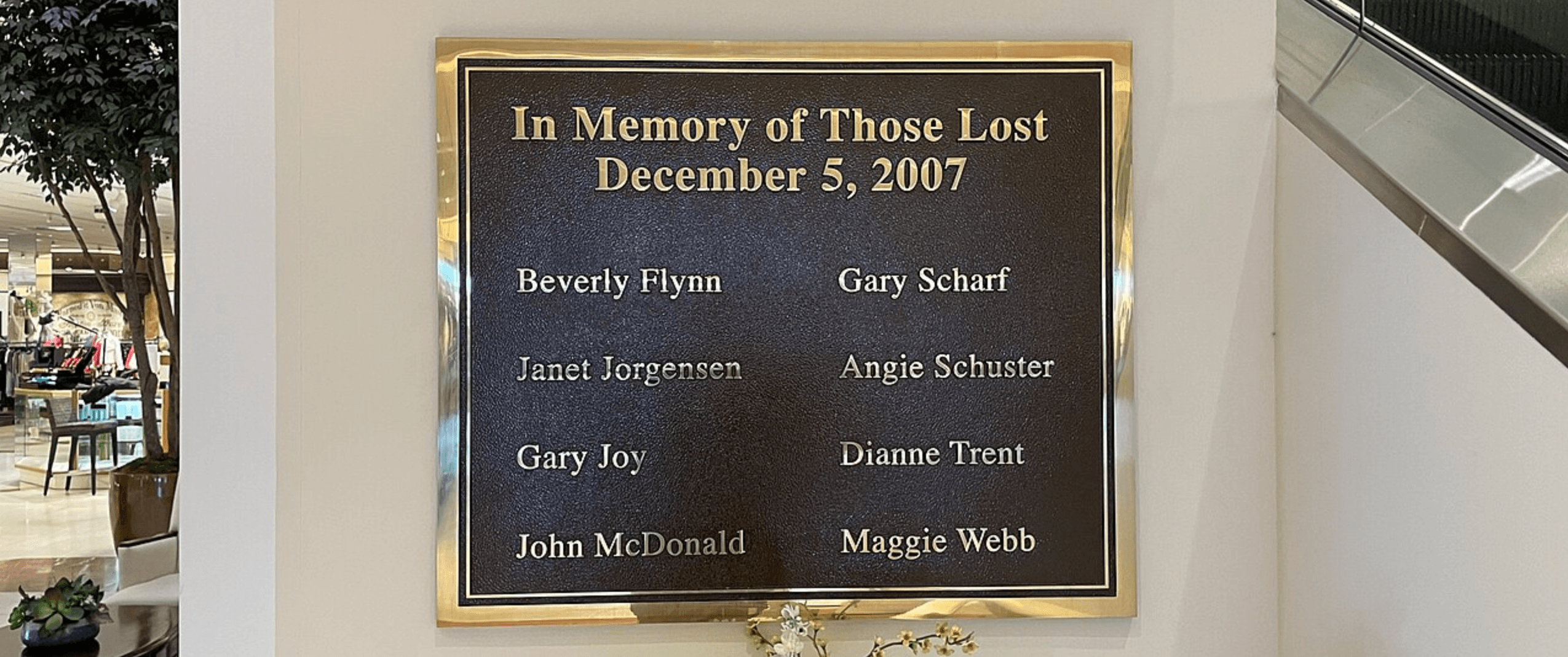
A mall shooting in Nebraska that left 8 people dead.
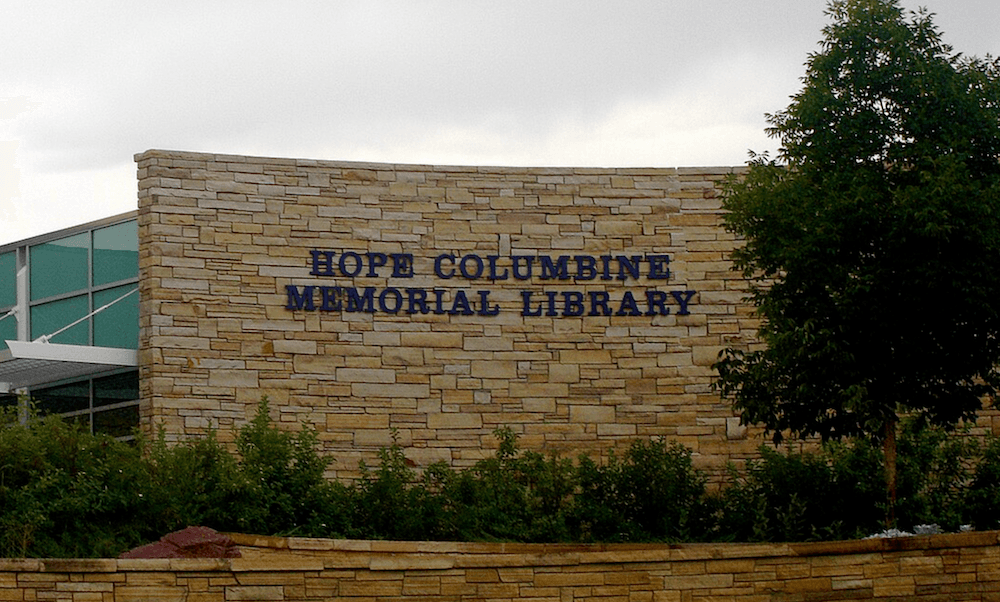
Two teenage boys killed 13 of their classmates in a shooting that shocked the nation.
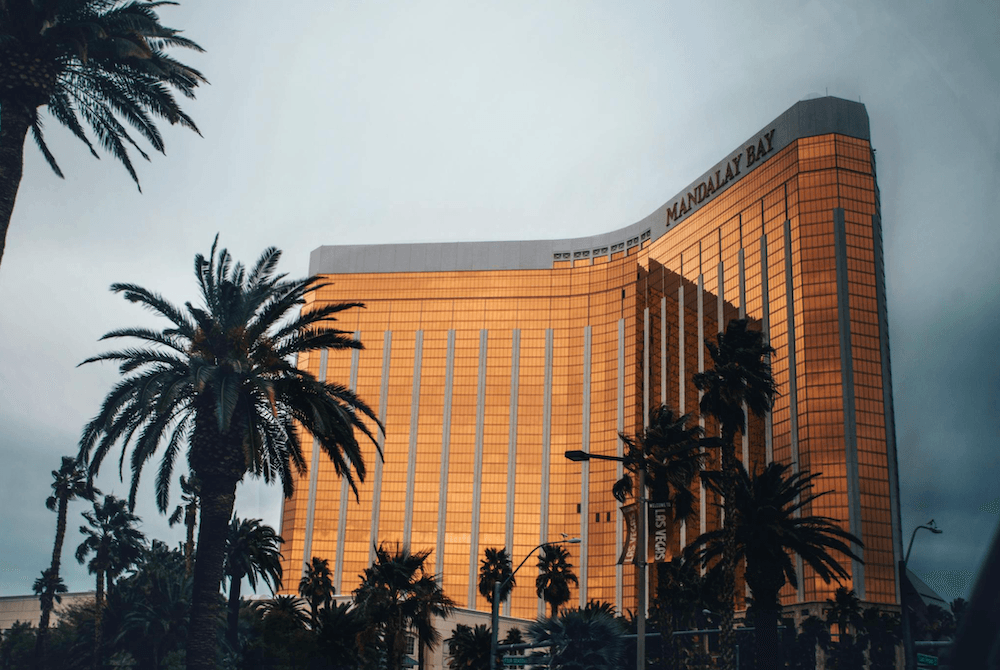
The site of the deadliest shooting in US history where 60 people were gunned down at a country music festival.
A Quick Note From Our Founder
Morbid Tourism is independently researched and maintained by one person. Every location is fact-checked, verified, and mapped so you can find exactly what you're looking for. If this page helped you, a coffee keeps the research going.