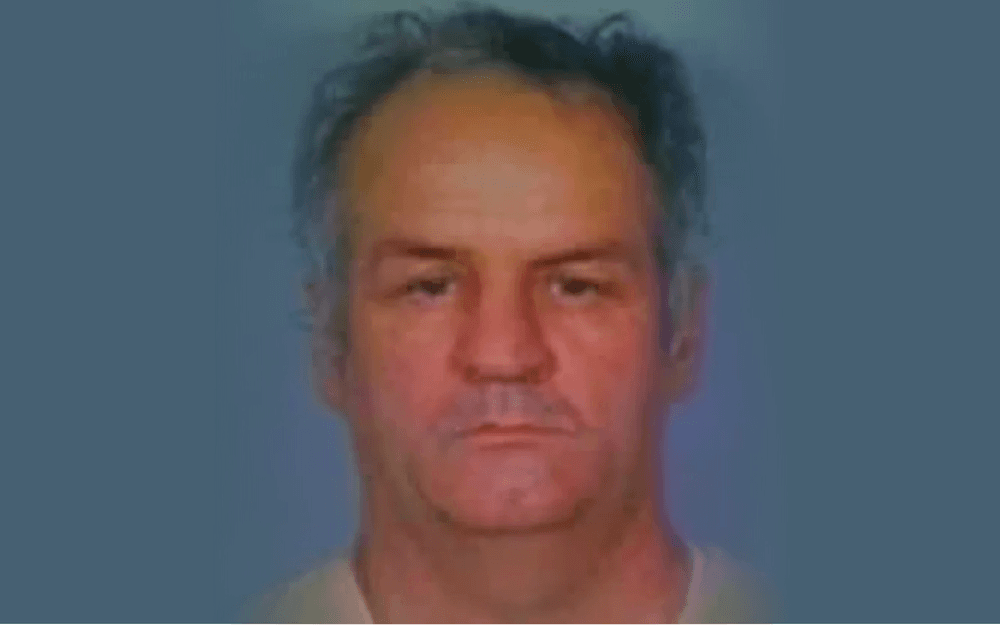
241 Alexander Street, Rochester, NY 14607
ADVERTISEMENT
This page contains affiliate links. We may earn a small commission at no extra cost to you.
Author: Jewls Krueger
Arthur Shawcross is one of the most notorious serial killers in the history of upstate New York. Known as the Genesee River Killer, he strangled women across Rochester between 1988 and 1990 while living in a modest apartment building on Alexander Street, near the city's Park Avenue and Monroe Avenue districts. What makes this location significant is not a crime scene in the traditional sense. Shawcross did not kill his victims here. Instead, this was the ordinary residence from which a convicted child killer, released early on parole, operated in plain sight for nearly two years.
Born in Kittery, Maine, on June 6, 1945, Shawcross grew up in Watertown, New York, after his family moved there when he was young. He had a troubled childhood and a reputation as a bully, dropped out of high school in 1960, and was drafted into the Army in 1967. He served a tour in Vietnam but never held a combat position, though he later boasted of wartime atrocities that investigators concluded were fabricated.
His first known murders came in 1972 in Watertown, where he killed 10-year-old Jack Owen Blake and 8-year-old Karen Ann Hill. Because prosecutors said they lacked direct evidence in the Blake case, Shawcross was allowed to plead guilty to a single count of manslaughter. He served roughly 14 years of a 25-year sentence and was paroled in April 1987.
After his release, Shawcross struggled to settle anywhere. Residents of several upstate communities protested once they learned who he was, and he was moved through Binghamton, Delhi, and Fleischmanns with his girlfriend, Rose Marie Walley. In late June 1987, his parole officer relocated the couple to a transient hotel in Rochester without notifying local authorities. That October, the pair found more permanent lodging on Alexander Street, where Shawcross lived on the ground floor until his arrest.
Shawcross began killing again in March 1988, primarily targeting sex workers and vulnerable women in the Rochester area. A food service worker by day, he drove the streets in his girlfriend's car looking for victims, then disposed of many of their bodies along the Genesee River and nearby creeks, which earned him his nickname. Over roughly two years, he was tied to the deaths of a dozen women. He was ultimately convicted of eleven of those killings, with a twelfth death never officially attributed to him.
Police spent months investigating the string of deaths. The break came in early January 1990, after aerial surveillance spotted a body dumped near Salmon Creek. On January 5, 1990, a police team watching the area observed Shawcross parked on a bridge nearby. He was arrested shortly afterward and soon confessed, at one point leading investigators to the locations of victims whose bodies had not yet been found.
ADVERTISEMENT
Shawcross went on trial in Monroe County in November 1990 for ten of the murders. The proceedings were televised gavel to gavel and became a national media event. His defense pleaded not guilty by reason of insanity, presenting testimony from forensic psychiatrist Dr. Dorothy Lewis that he suffered from brain damage and a dissociative disorder, including a claimed alter ego named after his mother. Prosecution experts, among them Dr. Park Dietz and former FBI profiler Robert Ressler, disputed those claims. The jury deliberated only a matter of hours before finding Shawcross sane and guilty of ten counts of second-degree murder in December 1990. He was sentenced to 250 years in prison. Months later he pleaded guilty to an eleventh murder in neighboring Wayne County and received an additional life sentence. He died in custody at Sullivan Correctional Facility on November 10, 2008, at the age of 63.
Book Recommendation
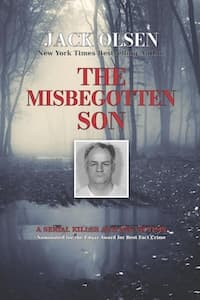
Jack Olsen's "The Misbegotten Son" is the definitive account of Arthur Shawcross, tracing how a convicted child killer served half his sentence, charmed a parole board, and was secretly relocated to Rochester before killing eleven more people.
Buy on Amazon →By purchasing through this link, we may earn a small commission at no extra cost to you. Thank you for supporting our work!
The building where Shawcross lived still stands on Alexander Street, in a walkable neighborhood close to Park Avenue, the East End, and Monroe Village. It sits a short distance north of the intersection of Alexander Street and Monroe Avenue, not far from the Strong National Museum of Play. The early twentieth century brick building is associated with the adjacent Normandie Brownstone complex and has since been renovated into updated rental apartments under private ownership.
This is private property and an active residence. Visitors who want to see the location should view it only from the public sidewalk, avoid entering the building or its lot, and refrain from disturbing tenants, who have no connection to the crimes. As with any home tied to a difficult history, treating the site and its neighbors with respect matters.
ADVERTISEMENT
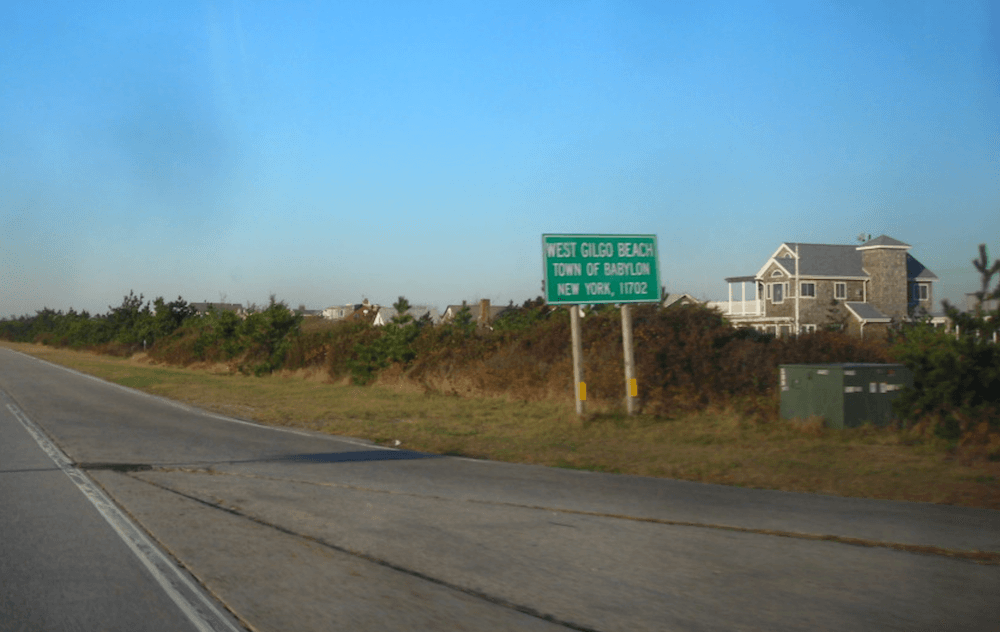
The Gilgo Beach Serial Killer, Rex Heuermann, killed 8 women in this Long Island home.

The apartment where serial killer Son of Sam lived while he went on a murderous rampage.
The small apartment where cannibal Jeffrey Dahmer tortured, murdered, and ate some of his victims.
A Quick Note From Our Founder
Morbid Tourism is independently researched and maintained by one person. Every location is fact-checked, verified, and mapped so you can find exactly what you're looking for. If this page helped you, a coffee keeps the research going.