178 Wisdom Quest Road, Bonners Ferry, ID 83805
ADVERTISEMENT
This page contains affiliate links. We may earn a small commission at no extra cost to you.
Author: Jewls Krueger
Ruby Ridge is a timbered mountain ridge in Boundary County, in the far north of Idaho, where a standoff between the Randy Weaver family and federal agents in August 1992 left three people dead. Over eleven days, hundreds of federal agents surrounded the Weavers' hand-built cabin after a shootout killed a deputy U.S. marshal and Weaver's teenage son. An FBI sniper then killed Weaver's wife, Vicki, as she stood inside the cabin doorway.
The case became a rallying point for the American militia movement and a lasting symbol of federal overreach. Along with the Waco siege that followed months later, it was cited by the perpetrators of the 1995 Oklahoma City bombing as a motivation for their attack. Two federal investigations later found that agents had violated their own use-of-force policies.
Randy Weaver was a former Iowa factory worker and U.S. Army veteran who moved his family to northern Idaho during the 1980s. He and his wife, Vicki, were religious fundamentalists who distrusted the government and believed the end of the world was near. They bought about twenty acres on Ruby Ridge in 1983, built a cabin without electricity, and homeschooled their children.
For years, popular accounts described Weaver as a former Green Beret. A review of his military records after the standoff found that he had never been a Green Beret or a member of the Special Forces, though the file suggested he may have received some general demolition training as a combat engineer. A later Justice Department memo listed the Green Beret claim among several assumptions that inflated the perceived threat Weaver posed.
At the time of the siege, the Weavers had four children: Sara, Samuel ("Sammy"), Rachel, and a 10-month-old daughter, Elisheba. Sara was 16 and Sammy was 14.
The Weavers attended gatherings at the nearby Aryan Nations compound at Hayden Lake on a handful of occasions. Weaver held white separatist and Christian Identity beliefs but denied belonging to the organization. In 1986, he was introduced to a confidential informant for the Bureau of Alcohol, Tobacco and Firearms at a white separatist event.
Over the next few years, Weaver and the informant met several times. In 1989, the ATF said Weaver sold the informant two sawed-off shotguns with barrels shorter than federal law allowed. Investigators later tried to use the charge as leverage to make Weaver an informant against the Aryan Nations. He refused, and the ATF filed the weapons charges.
ADVERTISEMENT
In January 1991, ATF agents posing as stranded motorists arrested Weaver when he and Vicki stopped to help. He was released on bail and told his trial would begin in February. The date was later adjusted, and a probation officer's letter then gave Weaver an incorrect date, telling him the trial would start in March. When Weaver did not appear on the actual date in February 1991, a judge issued a bench warrant. Even after the scheduling error was reported, the judge refused to withdraw it.
Weaver, already deeply distrustful of the government, came to believe he would not receive a fair trial. He stayed on his property and said he would resist any attempt to take him by force. The U.S. Marshals Service, responsible for arresting fugitives, placed the cabin under surveillance. Agents observed that the family responded to approaching vehicles by taking up armed positions until they recognized the visitor.
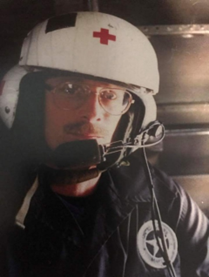
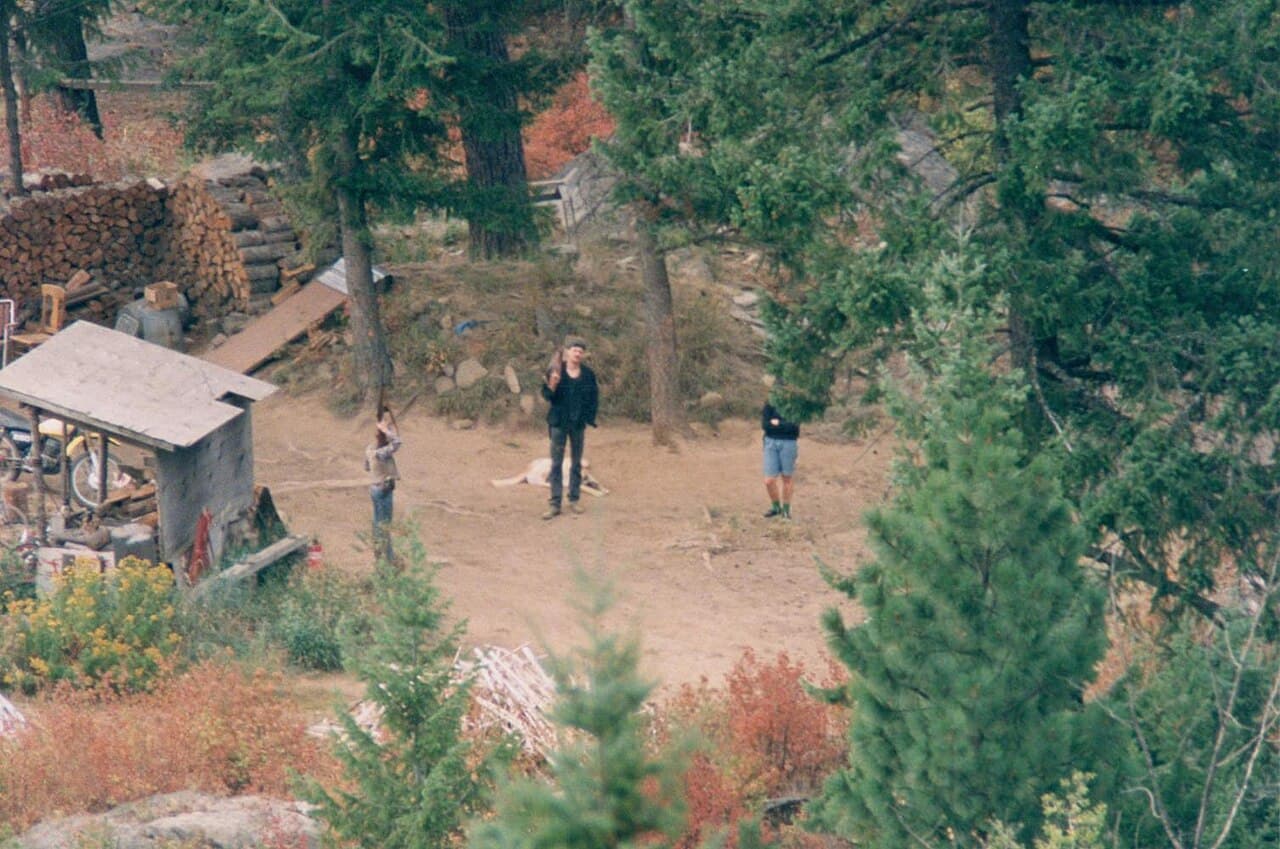
On August 21, 1992, six U.S. marshals scouted the wooded area around the cabin to find a place to arrest Weaver away from his home. Kevin Harris, a young family friend who often stayed with the Weavers, was at the cabin.
One marshal threw rocks near the property to gauge the reaction of the family's dog, a yellow Labrador named Striker. The dog gave chase, and Sammy Weaver and Harris followed it into the woods while Randy took a separate trail. At a point where two paths met, the marshals and the Weaver party exchanged gunfire. Accounts differ over who fired first. In the shootout, a marshal shot and killed Striker, Sammy was shot in the back and killed, and Deputy U.S. Marshal William Degan was killed. A later independent ballistics test tied the bullet that killed Sammy to a marshal's weapon.
After the shootout, the FBI sent its Hostage Rescue Team to Ruby Ridge. At the request of the marshals, Idaho Governor Cecil Andrus declared a state of emergency in Boundary County, which allowed the use of the National Guard armory and armored vehicles. Several hundred federal agents eventually surrounded the cabin.
The FBI adopted unusually aggressive rules of engagement, later criticized as effectively shoot on sight, that allowed agents to fire on armed adults near the cabin. On August 22, FBI sniper Lon Horiuchi fired at Randy Weaver from a position above the property, wounding him in the back as he stood near a shed where Sammy's body lay. As Weaver, his daughter Sara, and Harris ran back toward the cabin, Horiuchi fired a second shot. It wounded Harris and struck Vicki Weaver, who was standing behind the cabin door holding her infant daughter. She was killed instantly, and her body remained in the cabin for days.
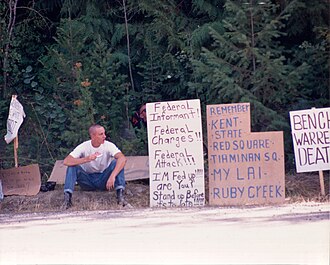
During the siege, supporters and protesters gathered near the perimeter, arguing that the family was being unfairly targeted.
ADVERTISEMENT
The standoff was resolved by civilian negotiators, including the activist and former Army officer Bo Gritz, whom Weaver agreed to speak with. Harris, badly wounded, surrendered on August 30. Weaver and his daughters came out the next day.
Both men were charged with a range of federal crimes, including murder in Degan's death. At trial in 1993, defense attorney Gerry Spence called no witnesses and instead attacked the government's conduct. Harris was acquitted of all charges. Weaver was acquitted of every charge except failing to appear in court and violating his bail. He was sentenced to 18 months and fined $10,000, and was released after roughly 16 months with credit for time served.
The government's actions drew intense scrutiny. A Justice Department task force concluded that the rules of engagement allowing the second shot did not meet constitutional standards, and a 1995 Senate subcommittee reached a similar conclusion. In 1995, the Weavers reached a $3.1 million out-of-court settlement with the government, which included $100,000 for Randy Weaver and $1 million for each of his three surviving daughters. Harris received a separate $380,000 settlement in 2000.
Ruby Ridge and Waco are widely seen as turning points that fueled the modern militia movement and deep distrust of federal law enforcement. Both were cited by Timothy McVeigh and Terry Nichols as motivations for the Oklahoma City bombing.
ADVERTISEMENT
A Boundary County prosecutor indicted Horiuchi for manslaughter in 1997, but the case was moved to federal court and ultimately dismissed. The Weaver family moved to the Kalispell, Montana, area, and in 2012 Sara Weaver said she had forgiven the agents involved. Randy Weaver died on May 11, 2022, at the age of 74.
The Weaver cabin no longer stands. By 2012, only its foundation remained on the ridge. The roughly twenty-acre property sits on steep, densely wooded terrain in Boundary County, near the small community of Naples and less than ten miles from Bonners Ferry.
The land is privately owned. It is not a park, memorial, or marked historic site, and the current owners have not opened it to visitors. Because it remains private property on a remote mountainside, anyone drawn to the history should view it only from public roads and respect the privacy of the people who live in the area.
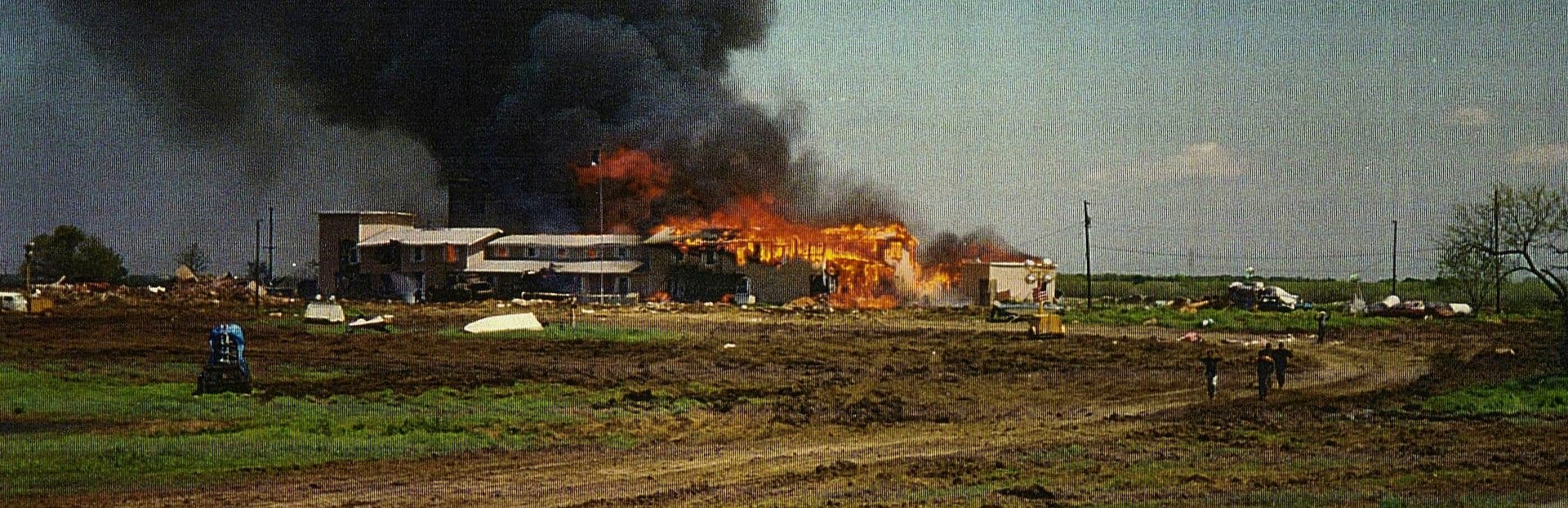
When the FBI tried to take down a cult, the unimaginable happened and led to the death of dozen.
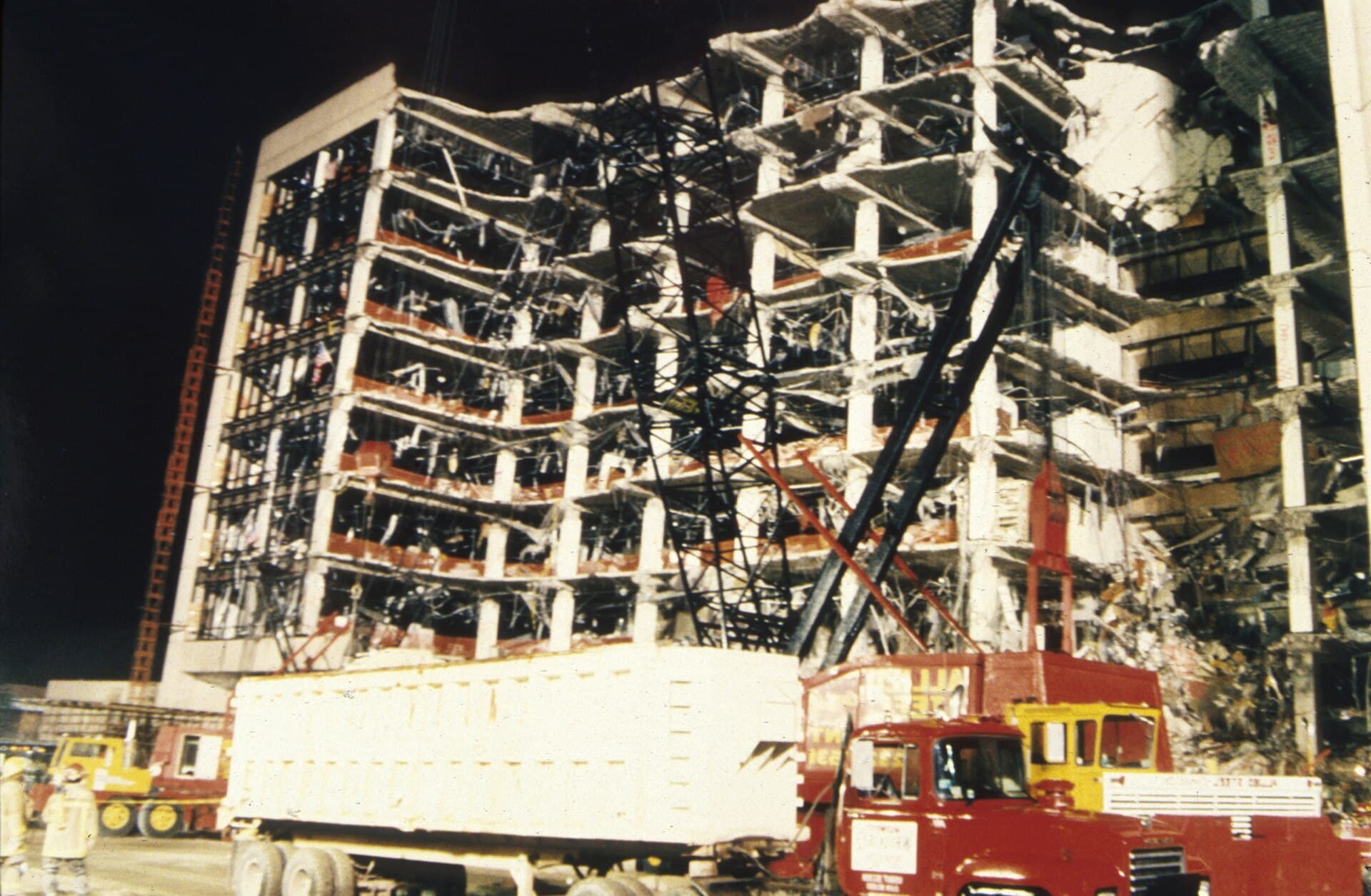
The location of the deadliest domestic terror attack to ever happen on US soil.
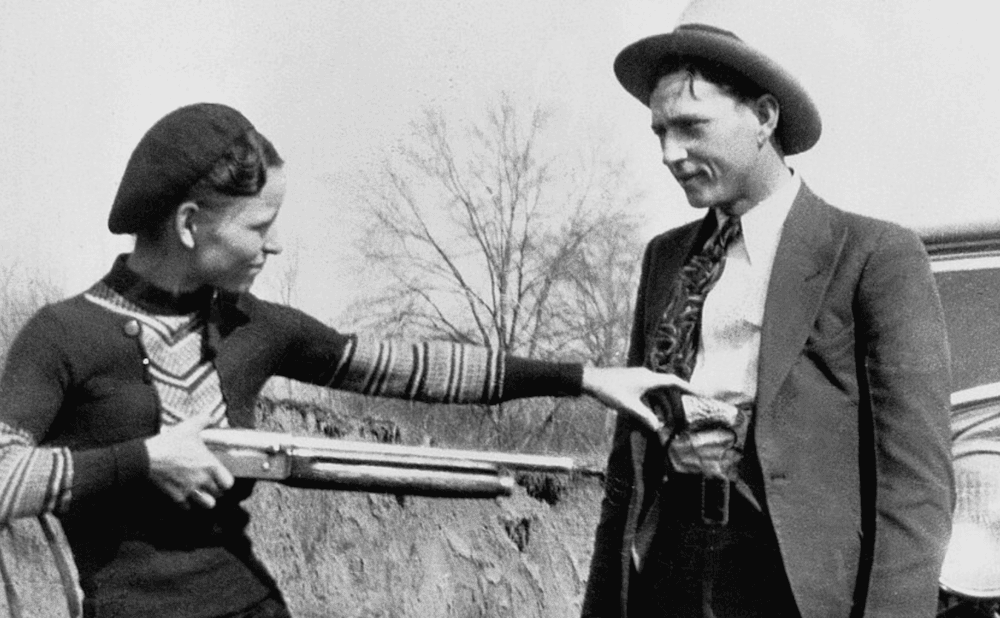
Infamous outlaw couple Bonnie Parker and Clyde Barrow were ambushed and killed by lawmen on a rural Louisiana road in 1934.
A Quick Note From Our Founder
Morbid Tourism is independently researched and maintained by one person. Every location is fact-checked, verified, and mapped so you can find exactly what you're looking for. If this page helped you, a coffee keeps the research going.